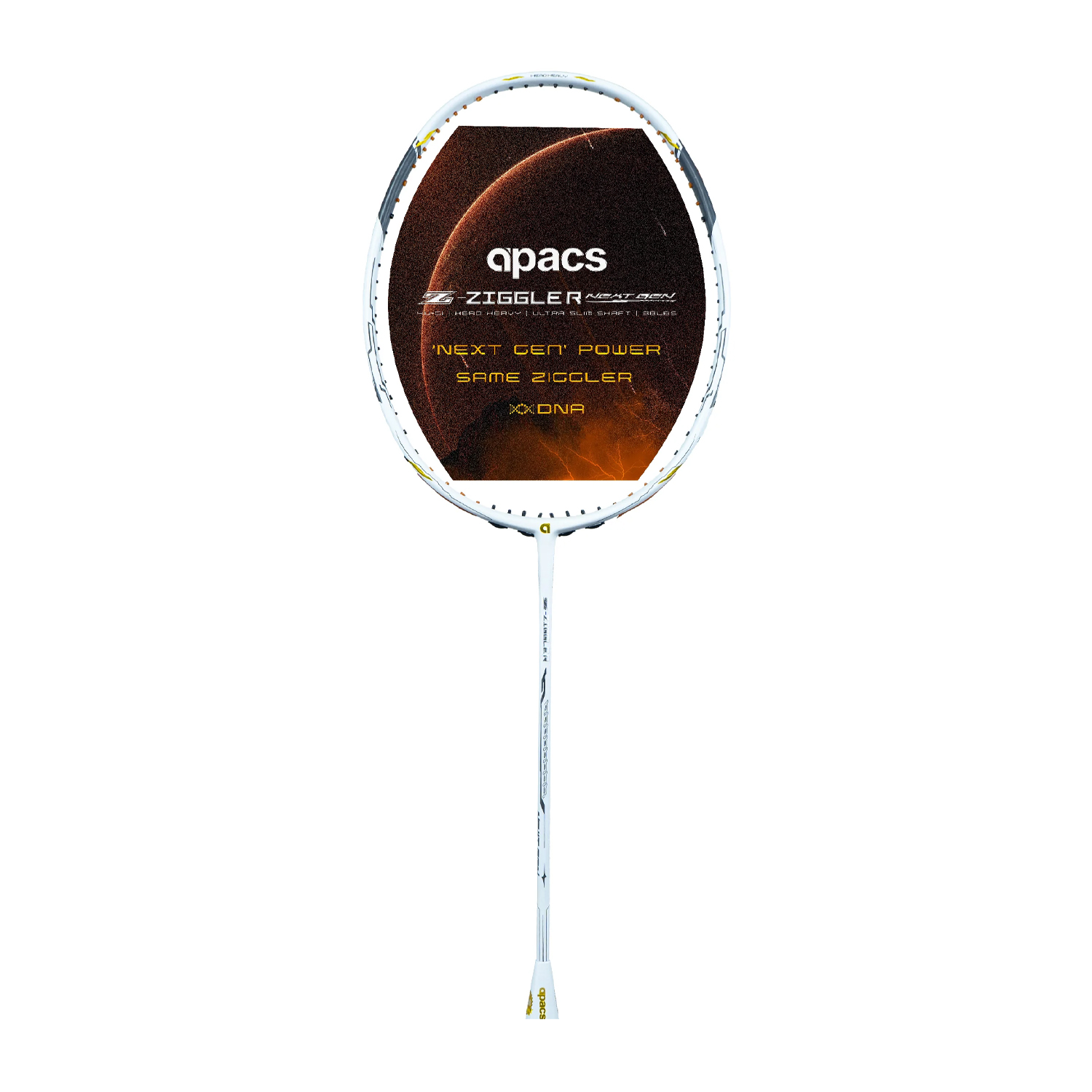








Apacs Z Ziggler Next Gen Badminton Racket (White)
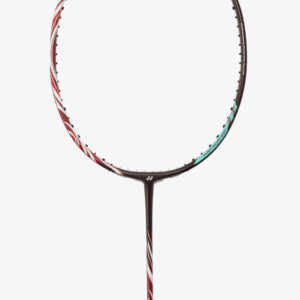
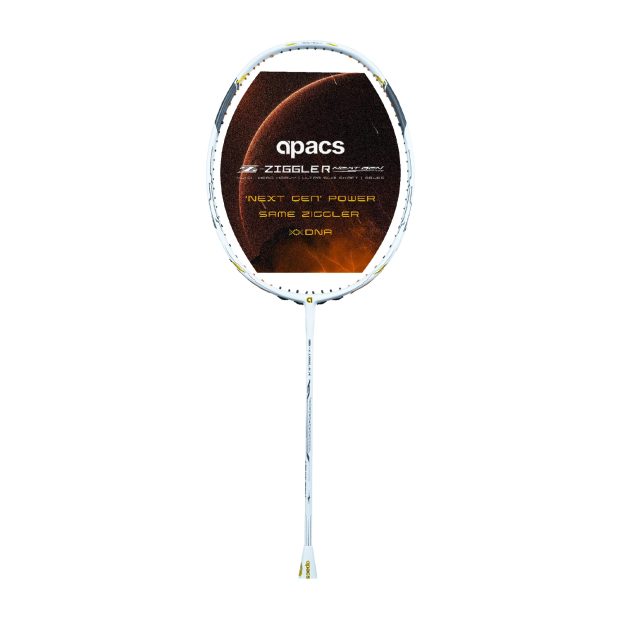
Apacs Z Ziggler Next Gen Badminton Racket is one of Apacs’ most enduring and widely played badminton rackets — known across India for its compact head-heavy frame design, strong resemblance to the Yonex Voltric Z-Force II in profile and playing philosophy, and exceptional power-to-price ratio.
₹7,299.00 Original price was: ₹7,299.00.₹2,892.00Current price is: ₹2,892.00.
Estimated Delivery Time: 2 - 4 Days (Delivery subject to pincode)
Estimated Delivery Time: 2 - 4 Days (Delivery subject to pincode)
Watch this video before Buying
Frequently Bought Together
Specification
Description
FAQ's
Specification
Description
God of Sports Expert Verdict on Apacs Z Ziggler Next Gen Badminton Racket:
- The Apacs Z Ziggler Next Gen Badminton Racket most important quality is its refinement of a proven formula. The original Z Ziggler was already good — genuinely good, in a way that surprised players expecting a budget racket’s compromises. The Next Gen takes what was already working and improves the two things that material science and frame geometry can most directly address: construction quality and structural stability.
- The 100% Japanese Graphite construction (specifically described as Japanese Graphite throughout — the same material lineage as the original’s IPN Japanese Carbon Graphite) produces a frame that is both stronger and lighter than lower-grade alternatives, resisting frame deformation and torsional twisting on hard smashes. For a head-heavy racket like the Z Ziggler, where the frame experiences asymmetric loading on impact (the head arrives at the shuttle faster than a balanced frame, creating more concentrated impact stress), material quality at the top of the frame is especially important for maintaining structural integrity over a racket’s lifetime.
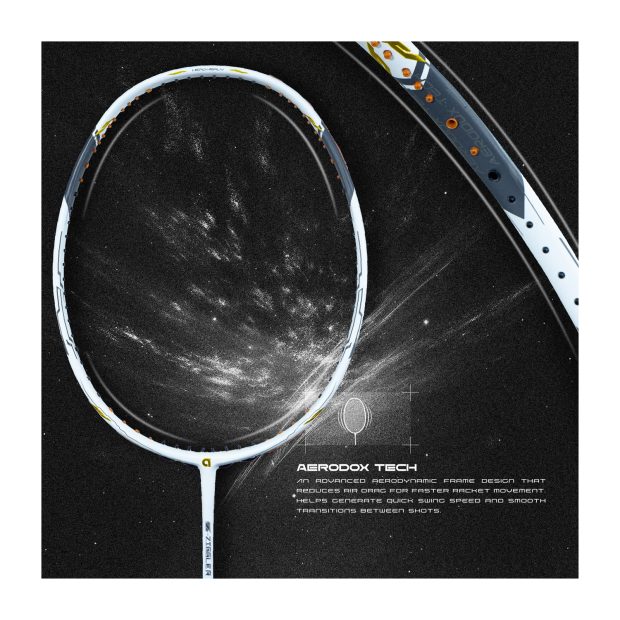
- The Aerodox Frame is the Next Gen’s new engineering contribution. Unlike the standard Aero + Box hybrid frame geometry of the original Z Ziggler (box section at 3 and 9 o’clock for stiffness, aero section elsewhere for reduced drag), the Aerodox Frame represents a refined integration of these two structural principles — optimising where box and aero geometry appear in the frame profile to reduce aerodynamic drag without compromising the torsional resistance that gives the Z Ziggler its characteristic crisp, stable smash response. In practical terms, players will notice the Next Gen feels slightly more planted and direct on hard hitting compared to the original — less twisting sensation under maximum smash loads.
- The head-heavy ~290mm balance combined with the compact frame head is the Z Ziggler’s defining characteristic and the reason it earned its reputation as one of the best-value power rackets available in India. The Next Gen doesn’t change this philosophy — it executes it with better materials and better structural engineering. For an intermediate-to-advanced attacking player who wants serious smash power without the premium price of an Astrox or Axforce flagship, the Z Ziggler Next Gen remains one of the most persuasive options on the market.
Technologies used in Apacs Z Ziggler Next Gen Badminton Racket:
- Aerodox Frame — Next-Generation Aero-Box Structural Integration The Aerodox Frame is the Z Ziggler Next Gen’s headline structural upgrade. Earlier Z Ziggler models used a well-established combination of Aero (oval-section) and Box (rectangular-section) frame geometry in different zones of the frame head: box sections at the 3 and 9 o’clock positions for torsional stiffness, and aero sections in the sweep zones (top and sides) to reduce air drag during the swing. The Aerodox Frame represents an evolved integration of these two principles — a refined geometric profile that optimises where and how box and aero sections transition into each other to minimise aerodynamic drag across the full swing arc while preserving the torsional stability that is essential for crisp, accurate smash delivery. In practical terms: the Next Gen cuts through the air more cleanly than the original on fast attacking swings, and the frame feels more planted and stable on hard contact, with less torsional sensation under maximum smash loading.
- Triple Speed System Frame — Compact Head for Fast Swing and Head-Heavy Power The Triple Speed System Frame is the core conceptual framework of the entire Ziggler series, carried forward into the Next Gen. The compact frame head profile — significantly smaller than the Aero Wide frame of the Finapi 232 — is the design choice that makes the Z Ziggler play the way it does. A smaller frame head has a lower moment of inertia (it rotates faster per unit of applied force), meaning the same swing effort produces higher head speed at the point of contact. Combined with the head-heavy balance (~290mm), where the majority of the frame’s weight is concentrated in the upper portion of the head, this produces a racket that delivers high shuttle velocity on smashes through a combination of concentrated head mass and fast rotational speed — the mechanical equivalent of a weighted bat end on a baseball bat. The Triple Speed System formalises this design philosophy into three engineering outputs: compact frame (swing speed), head-heavy balance (smash mass), and stiff box sections (energy transfer efficiency).
- GS Carbon Nanotube — Molecular-Level Strength Reinforcement GS Carbon Nanotube (GS CNT) technology involves the integration of carbon nanotubes — cylindrical carbon structures with exceptional tensile strength-to-weight ratios — into the graphite composite matrix of the frame. Carbon nanotubes are applied in the bonding layer between carbon fibre plies at specific structural positions in the frame, functioning as molecular-scale reinforcements that improve the interlaminar shear strength of the composite. In plain terms: carbon fibre composites can fail not just by breaking individual fibres, but by delaminating — the plies separating at their bonding interfaces under repeated impact loading. GS CNT improves resistance to this delamination failure mode, producing a frame that is more impact-resistant, more resilient under repeated hard smashes, and that retains its original stiffness characteristics longer through the racket’s competitive life. Apacs deploys this specifically at the most impacted zones of the frame — typically the top and upper sides where shuttle contact forces are highest.
- Control Support Cap — Wider Grip End for Swing Control and Wrist Action The Control Support Cap is the grip-end cap design at the bottom of the handle. The Z Ziggler Next Gen features a flat-surface cap geometry that is 88% wider across its flat face compared to a standard narrow cap. This wider flat surface serves two purposes. First, it improves grip stability during the swing: the wider flat area distributes the mechanical force of your grip contact over more surface area, reducing the slippage tendency that narrow caps create under high-speed swing conditions. Second, it provides a natural tactile cue for grip orientation — a player can feel the flat face through the grip material, maintaining unconscious awareness of their handle position during rally play. For attacking players who use aggressive pronation and wrist snaps on smashes, a stable, correctly-oriented grip is a significant factor in consistency and accuracy.
- Medium Flex + Slingshot Effect — Accessible Power for a Range of Players The Z Ziggler Next Gen’s medium flex shaft is a deliberate choice that makes the racket’s head-heavy attacking power accessible to a broader range of players than a stiff shaft would permit. A stiff shaft on a head-heavy racket requires precise, well-timed swing mechanics to fully harness — the shaft snaps back too quickly for players whose technique is still developing. The medium flex shaft on the Z Ziggler Next Gen stores energy over a longer arc of the swing and releases it slightly later in the contact phase, effectively creating a slingshot effect that generates shuttle velocity even from less-than-perfectly timed smashes. Experienced players will still get excellent performance — the medium flex provides enough energy return at full swing speeds to produce competitive smash velocity. Developing players benefit from the forgiving elastic response that compensates for timing imperfections. It is the flexibility choice that makes a head-heavy attacking frame usable rather than demanding.
Apacs Z Ziggler Badminton Racket Family — Which Generation Is Right for You?
| Model | Material | Balance | Max Tension | Frame Tech | Best For |
|---|---|---|---|---|---|
| Z Ziggler (Standard) | 30T Japan HM Graphite | Head-heavy (290mm) | 38 lbs | Aero + Box Frame | Entry-level attacker, beginners–intermediate |
| Z Ziggler Limited Edition | HM Graphite, GS CNT | Head-heavy (290mm) | 38 lbs | Aero + Box + GS CNT | Intermediate with CNT reinforcement |
| Z Ziggler Next Gen | 100% Japanese Graphite | Head-heavy (~290mm) | 38 lbs | Aerodox Frame + CNT + CSS Cap | Intermediate–Advanced; refined attack, best structural quality at 38 lbs |
| Z Ziggler Reborn | UHM Japan Graphite | Head-heavy | 42 lbs | Compact + UHM | Advanced power players wanting maximum tension |
Is Apacs Z Ziggler Next Gen Badminton Racket Right for You?
- Aggressive Singles Players Who Win Points Through Smash Dominance : The Z Ziggler Next Gen is purpose-built for rear-court attacking play. The compact head, head-heavy balance at ~290mm, and medium flex shaft slingshot produce a racket that rewards committed, full-swing smashes with high shuttle velocity and penetrating shuttle trajectory. Singles players who build their game around smash dominance and aggressive baseline attack will find the Z Ziggler Next Gen’s design perfectly aligned with that approach.
- Players Seeking Yonex Voltric Z-Force II Character at a Lower Price Point : The Z Ziggler series was explicitly designed with a resemblance to the Yonex Voltric Z-Force II — compact frame, head-heavy balance, compact frame for swing speed, aggressive attacking character. Players who admire the Z-Force II’s playing philosophy but cannot justify the Yonex price point will find the Z Ziggler Next Gen one of the most direct and honest alternatives available in India’s mid-range badminton market.
- Intermediate Players Moving From Even-Balance to Head-Heavy Attacking : The Z Ziggler Next Gen’s medium flex softens the transition into head-heavy attacking play. Players moving from even-balance or slightly head-heavy frames often find a stiff head-heavy racket immediately demanding and unforgiving. The Next Gen’s medium flex slingshot effect helps bridge this transition: the shaft generates power from moderately timed swings, giving developing attackers good results while they build the more refined mechanics that a truly demanding attacking racket would require.
FAQ's
Shop Online
Shop 24/7 with your smartphone
Shipping Worldwide
Free Shipping All Over India
Pay on Delivery
You're in safe hands
Frequently Bought Together
Product Details
Specification
Description
FAQ's
Specification
| Weight | 4U (~84g) |
| Grip Size | G2 |
| Balance Point | Head-Heavy (~290±3mm) |
| Shaft Diameter | Ultra-Slim (6.4mm) |
| Shaft Flex | Medium |
| Frame Material | 100% Japanese Graphite |
| Frame Type | Compact Power / Aerodox Frame |
| Key Technologies | Aerodox Frame, Triple Speed System Frame, GS Carbon Nanotube, Control Support Cap |
| Grommet System | 76 Holes |
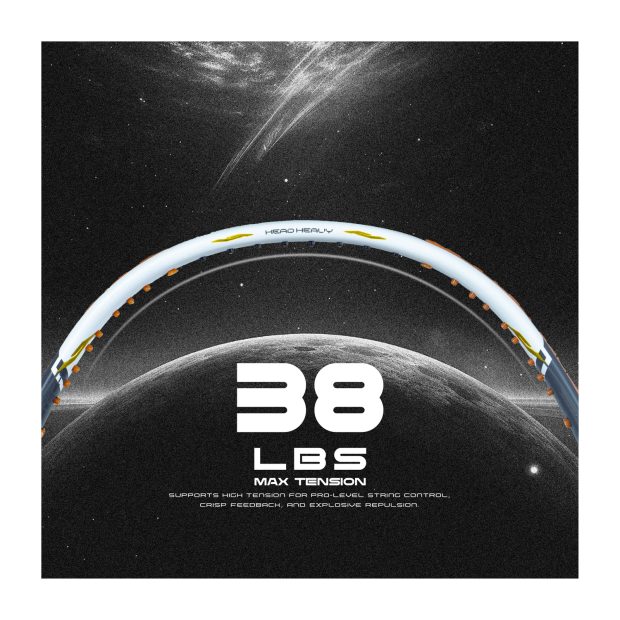
| Max String Tension | 38 lbs |
| Overall Length | 675mm |
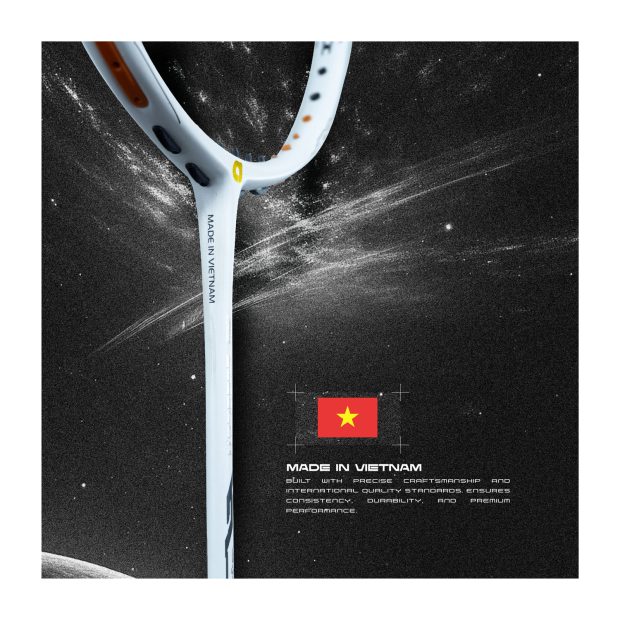
| Made In | Vietnam |
| Play Style | Attacking (Power-Smash) |
Description
God of Sports Expert Verdict on Apacs Z Ziggler Next Gen Badminton Racket:
- The Apacs Z Ziggler Next Gen Badminton Racket most important quality is its refinement of a proven formula. The original Z Ziggler was already good — genuinely good, in a way that surprised players expecting a budget racket’s compromises. The Next Gen takes what was already working and improves the two things that material science and frame geometry can most directly address: construction quality and structural stability.
- The 100% Japanese Graphite construction (specifically described as Japanese Graphite throughout — the same material lineage as the original’s IPN Japanese Carbon Graphite) produces a frame that is both stronger and lighter than lower-grade alternatives, resisting frame deformation and torsional twisting on hard smashes. For a head-heavy racket like the Z Ziggler, where the frame experiences asymmetric loading on impact (the head arrives at the shuttle faster than a balanced frame, creating more concentrated impact stress), material quality at the top of the frame is especially important for maintaining structural integrity over a racket’s lifetime.
- The Aerodox Frame is the Next Gen’s new engineering contribution. Unlike the standard Aero + Box hybrid frame geometry of the original Z Ziggler (box section at 3 and 9 o’clock for stiffness, aero section elsewhere for reduced drag), the Aerodox Frame represents a refined integration of these two structural principles — optimising where box and aero geometry appear in the frame profile to reduce aerodynamic drag without compromising the torsional resistance that gives the Z Ziggler its characteristic crisp, stable smash response. In practical terms, players will notice the Next Gen feels slightly more planted and direct on hard hitting compared to the original — less twisting sensation under maximum smash loads.
- The head-heavy ~290mm balance combined with the compact frame head is the Z Ziggler’s defining characteristic and the reason it earned its reputation as one of the best-value power rackets available in India. The Next Gen doesn’t change this philosophy — it executes it with better materials and better structural engineering. For an intermediate-to-advanced attacking player who wants serious smash power without the premium price of an Astrox or Axforce flagship, the Z Ziggler Next Gen remains one of the most persuasive options on the market.
Technologies used in Apacs Z Ziggler Next Gen Badminton Racket:
- Aerodox Frame — Next-Generation Aero-Box Structural Integration The Aerodox Frame is the Z Ziggler Next Gen’s headline structural upgrade. Earlier Z Ziggler models used a well-established combination of Aero (oval-section) and Box (rectangular-section) frame geometry in different zones of the frame head: box sections at the 3 and 9 o’clock positions for torsional stiffness, and aero sections in the sweep zones (top and sides) to reduce air drag during the swing. The Aerodox Frame represents an evolved integration of these two principles — a refined geometric profile that optimises where and how box and aero sections transition into each other to minimise aerodynamic drag across the full swing arc while preserving the torsional stability that is essential for crisp, accurate smash delivery. In practical terms: the Next Gen cuts through the air more cleanly than the original on fast attacking swings, and the frame feels more planted and stable on hard contact, with less torsional sensation under maximum smash loading.
- Triple Speed System Frame — Compact Head for Fast Swing and Head-Heavy Power The Triple Speed System Frame is the core conceptual framework of the entire Ziggler series, carried forward into the Next Gen. The compact frame head profile — significantly smaller than the Aero Wide frame of the Finapi 232 — is the design choice that makes the Z Ziggler play the way it does. A smaller frame head has a lower moment of inertia (it rotates faster per unit of applied force), meaning the same swing effort produces higher head speed at the point of contact. Combined with the head-heavy balance (~290mm), where the majority of the frame’s weight is concentrated in the upper portion of the head, this produces a racket that delivers high shuttle velocity on smashes through a combination of concentrated head mass and fast rotational speed — the mechanical equivalent of a weighted bat end on a baseball bat. The Triple Speed System formalises this design philosophy into three engineering outputs: compact frame (swing speed), head-heavy balance (smash mass), and stiff box sections (energy transfer efficiency).
- GS Carbon Nanotube — Molecular-Level Strength Reinforcement GS Carbon Nanotube (GS CNT) technology involves the integration of carbon nanotubes — cylindrical carbon structures with exceptional tensile strength-to-weight ratios — into the graphite composite matrix of the frame. Carbon nanotubes are applied in the bonding layer between carbon fibre plies at specific structural positions in the frame, functioning as molecular-scale reinforcements that improve the interlaminar shear strength of the composite. In plain terms: carbon fibre composites can fail not just by breaking individual fibres, but by delaminating — the plies separating at their bonding interfaces under repeated impact loading. GS CNT improves resistance to this delamination failure mode, producing a frame that is more impact-resistant, more resilient under repeated hard smashes, and that retains its original stiffness characteristics longer through the racket’s competitive life. Apacs deploys this specifically at the most impacted zones of the frame — typically the top and upper sides where shuttle contact forces are highest.
- Control Support Cap — Wider Grip End for Swing Control and Wrist Action The Control Support Cap is the grip-end cap design at the bottom of the handle. The Z Ziggler Next Gen features a flat-surface cap geometry that is 88% wider across its flat face compared to a standard narrow cap. This wider flat surface serves two purposes. First, it improves grip stability during the swing: the wider flat area distributes the mechanical force of your grip contact over more surface area, reducing the slippage tendency that narrow caps create under high-speed swing conditions. Second, it provides a natural tactile cue for grip orientation — a player can feel the flat face through the grip material, maintaining unconscious awareness of their handle position during rally play. For attacking players who use aggressive pronation and wrist snaps on smashes, a stable, correctly-oriented grip is a significant factor in consistency and accuracy.
- Medium Flex + Slingshot Effect — Accessible Power for a Range of Players The Z Ziggler Next Gen’s medium flex shaft is a deliberate choice that makes the racket’s head-heavy attacking power accessible to a broader range of players than a stiff shaft would permit. A stiff shaft on a head-heavy racket requires precise, well-timed swing mechanics to fully harness — the shaft snaps back too quickly for players whose technique is still developing. The medium flex shaft on the Z Ziggler Next Gen stores energy over a longer arc of the swing and releases it slightly later in the contact phase, effectively creating a slingshot effect that generates shuttle velocity even from less-than-perfectly timed smashes. Experienced players will still get excellent performance — the medium flex provides enough energy return at full swing speeds to produce competitive smash velocity. Developing players benefit from the forgiving elastic response that compensates for timing imperfections. It is the flexibility choice that makes a head-heavy attacking frame usable rather than demanding.
Apacs Z Ziggler Badminton Racket Family — Which Generation Is Right for You?
| Model | Material | Balance | Max Tension | Frame Tech | Best For |
|---|---|---|---|---|---|
| Z Ziggler (Standard) | 30T Japan HM Graphite | Head-heavy (290mm) | 38 lbs | Aero + Box Frame | Entry-level attacker, beginners–intermediate |
| Z Ziggler Limited Edition | HM Graphite, GS CNT | Head-heavy (290mm) | 38 lbs | Aero + Box + GS CNT | Intermediate with CNT reinforcement |
| Z Ziggler Next Gen | 100% Japanese Graphite | Head-heavy (~290mm) | 38 lbs | Aerodox Frame + CNT + CSS Cap | Intermediate–Advanced; refined attack, best structural quality at 38 lbs |
| Z Ziggler Reborn | UHM Japan Graphite | Head-heavy | 42 lbs | Compact + UHM | Advanced power players wanting maximum tension |
Is Apacs Z Ziggler Next Gen Badminton Racket Right for You?
- Aggressive Singles Players Who Win Points Through Smash Dominance : The Z Ziggler Next Gen is purpose-built for rear-court attacking play. The compact head, head-heavy balance at ~290mm, and medium flex shaft slingshot produce a racket that rewards committed, full-swing smashes with high shuttle velocity and penetrating shuttle trajectory. Singles players who build their game around smash dominance and aggressive baseline attack will find the Z Ziggler Next Gen’s design perfectly aligned with that approach.
- Players Seeking Yonex Voltric Z-Force II Character at a Lower Price Point : The Z Ziggler series was explicitly designed with a resemblance to the Yonex Voltric Z-Force II — compact frame, head-heavy balance, compact frame for swing speed, aggressive attacking character. Players who admire the Z-Force II’s playing philosophy but cannot justify the Yonex price point will find the Z Ziggler Next Gen one of the most direct and honest alternatives available in India’s mid-range badminton market.
- Intermediate Players Moving From Even-Balance to Head-Heavy Attacking : The Z Ziggler Next Gen’s medium flex softens the transition into head-heavy attacking play. Players moving from even-balance or slightly head-heavy frames often find a stiff head-heavy racket immediately demanding and unforgiving. The Next Gen’s medium flex slingshot effect helps bridge this transition: the shaft generates power from moderately timed swings, giving developing attackers good results while they build the more refined mechanics that a truly demanding attacking racket would require.
FAQ's
Three key upgrades: the Next Gen uses 100% Japanese Graphite versus the standard model’s 30T High Modulus Graphite — an improved material that provides better strength, rigidity, and energy transfer. It also features the new Aerodox Frame technology — a refined geometric integration of aero and box frame sections that reduces air drag and improves torsional stability compared to the original’s Aero + Box hybrid. Finally, the Control Support Cap and enhanced GS Carbon Nanotube application are more comprehensively integrated in the Next Gen. Both share the same head-heavy ~290mm balance, compact frame head, medium flex shaft, and 38 lbs max tension.
In playing philosophy, yes — and Apacs has been transparent about this. Both rackets use a compact head-heavy frame design to produce fast swing speed and powerful smashes, both use an ultra-slim shaft for aerodynamic efficiency, and both target aggressive attacking players. The Z-Force II is a premium professional racket at a significantly higher price; the Z Ziggler Next Gen is a mid-range option that captures the same design philosophy for a fraction of the cost. The construction quality and material sophistication are different, but the playing character — head-heavy, compact, fast-swinging, powerful — is genuinely similar.
Intermediate players: 24–26 lbs for accessible power and good shuttle response. Advancing players who prefer tighter strings: 26–29 lbs for more direct control and less trampoline effect on smashes. The medium flex shaft means the frame provides its own elastic power return at lower tensions, so you do not need to string extremely tight to get power from this racket. Maximum is 38 lbs; most players will find 26–29 lbs the sweet spot for the Z Ziggler’s attacking character.
These are the two Apacs Next Gen rackets but with fundamentally different identities. The Z Ziggler Next Gen is a specialist attacking racket — head-heavy (~290mm), compact frame, designed for smash-dominated singles play. The Finapi 232 Next Gen is an all-round racket — even balance (~290mm), Aero Wide frame, equally comfortable across the full court. The Z Ziggler is the better choice for dedicated attackers; the Finapi 232 Next Gen is the better choice for all-round players.
| Weight | 4U (~84g) |
| Grip Size | G2 |
| Balance Point | Head-Heavy (~290±3mm) |
| Shaft Diameter | Ultra-Slim (6.4mm) |
| Shaft Flex | Medium |
| Frame Material | 100% Japanese Graphite |
| Frame Type | Compact Power / Aerodox Frame |
| Key Technologies | Aerodox Frame, Triple Speed System Frame, GS Carbon Nanotube, Control Support Cap |
| Grommet System | 76 Holes |
| Max String Tension | 38 lbs |
| Overall Length | 675mm |
| Made In | Vietnam |
| Play Style | Attacking (Power-Smash) |
God of Sports Expert Verdict on Apacs Z Ziggler Next Gen Badminton Racket:
- The Apacs Z Ziggler Next Gen Badminton Racket most important quality is its refinement of a proven formula. The original Z Ziggler was already good — genuinely good, in a way that surprised players expecting a budget racket’s compromises. The Next Gen takes what was already working and improves the two things that material science and frame geometry can most directly address: construction quality and structural stability.
- The 100% Japanese Graphite construction (specifically described as Japanese Graphite throughout — the same material lineage as the original’s IPN Japanese Carbon Graphite) produces a frame that is both stronger and lighter than lower-grade alternatives, resisting frame deformation and torsional twisting on hard smashes. For a head-heavy racket like the Z Ziggler, where the frame experiences asymmetric loading on impact (the head arrives at the shuttle faster than a balanced frame, creating more concentrated impact stress), material quality at the top of the frame is especially important for maintaining structural integrity over a racket’s lifetime.
- The Aerodox Frame is the Next Gen’s new engineering contribution. Unlike the standard Aero + Box hybrid frame geometry of the original Z Ziggler (box section at 3 and 9 o’clock for stiffness, aero section elsewhere for reduced drag), the Aerodox Frame represents a refined integration of these two structural principles — optimising where box and aero geometry appear in the frame profile to reduce aerodynamic drag without compromising the torsional resistance that gives the Z Ziggler its characteristic crisp, stable smash response. In practical terms, players will notice the Next Gen feels slightly more planted and direct on hard hitting compared to the original — less twisting sensation under maximum smash loads.
- The head-heavy ~290mm balance combined with the compact frame head is the Z Ziggler’s defining characteristic and the reason it earned its reputation as one of the best-value power rackets available in India. The Next Gen doesn’t change this philosophy — it executes it with better materials and better structural engineering. For an intermediate-to-advanced attacking player who wants serious smash power without the premium price of an Astrox or Axforce flagship, the Z Ziggler Next Gen remains one of the most persuasive options on the market.
Technologies used in Apacs Z Ziggler Next Gen Badminton Racket:
- Aerodox Frame — Next-Generation Aero-Box Structural Integration The Aerodox Frame is the Z Ziggler Next Gen’s headline structural upgrade. Earlier Z Ziggler models used a well-established combination of Aero (oval-section) and Box (rectangular-section) frame geometry in different zones of the frame head: box sections at the 3 and 9 o’clock positions for torsional stiffness, and aero sections in the sweep zones (top and sides) to reduce air drag during the swing. The Aerodox Frame represents an evolved integration of these two principles — a refined geometric profile that optimises where and how box and aero sections transition into each other to minimise aerodynamic drag across the full swing arc while preserving the torsional stability that is essential for crisp, accurate smash delivery. In practical terms: the Next Gen cuts through the air more cleanly than the original on fast attacking swings, and the frame feels more planted and stable on hard contact, with less torsional sensation under maximum smash loading.
- Triple Speed System Frame — Compact Head for Fast Swing and Head-Heavy Power The Triple Speed System Frame is the core conceptual framework of the entire Ziggler series, carried forward into the Next Gen. The compact frame head profile — significantly smaller than the Aero Wide frame of the Finapi 232 — is the design choice that makes the Z Ziggler play the way it does. A smaller frame head has a lower moment of inertia (it rotates faster per unit of applied force), meaning the same swing effort produces higher head speed at the point of contact. Combined with the head-heavy balance (~290mm), where the majority of the frame’s weight is concentrated in the upper portion of the head, this produces a racket that delivers high shuttle velocity on smashes through a combination of concentrated head mass and fast rotational speed — the mechanical equivalent of a weighted bat end on a baseball bat. The Triple Speed System formalises this design philosophy into three engineering outputs: compact frame (swing speed), head-heavy balance (smash mass), and stiff box sections (energy transfer efficiency).
- GS Carbon Nanotube — Molecular-Level Strength Reinforcement GS Carbon Nanotube (GS CNT) technology involves the integration of carbon nanotubes — cylindrical carbon structures with exceptional tensile strength-to-weight ratios — into the graphite composite matrix of the frame. Carbon nanotubes are applied in the bonding layer between carbon fibre plies at specific structural positions in the frame, functioning as molecular-scale reinforcements that improve the interlaminar shear strength of the composite. In plain terms: carbon fibre composites can fail not just by breaking individual fibres, but by delaminating — the plies separating at their bonding interfaces under repeated impact loading. GS CNT improves resistance to this delamination failure mode, producing a frame that is more impact-resistant, more resilient under repeated hard smashes, and that retains its original stiffness characteristics longer through the racket’s competitive life. Apacs deploys this specifically at the most impacted zones of the frame — typically the top and upper sides where shuttle contact forces are highest.
- Control Support Cap — Wider Grip End for Swing Control and Wrist Action The Control Support Cap is the grip-end cap design at the bottom of the handle. The Z Ziggler Next Gen features a flat-surface cap geometry that is 88% wider across its flat face compared to a standard narrow cap. This wider flat surface serves two purposes. First, it improves grip stability during the swing: the wider flat area distributes the mechanical force of your grip contact over more surface area, reducing the slippage tendency that narrow caps create under high-speed swing conditions. Second, it provides a natural tactile cue for grip orientation — a player can feel the flat face through the grip material, maintaining unconscious awareness of their handle position during rally play. For attacking players who use aggressive pronation and wrist snaps on smashes, a stable, correctly-oriented grip is a significant factor in consistency and accuracy.
- Medium Flex + Slingshot Effect — Accessible Power for a Range of Players The Z Ziggler Next Gen’s medium flex shaft is a deliberate choice that makes the racket’s head-heavy attacking power accessible to a broader range of players than a stiff shaft would permit. A stiff shaft on a head-heavy racket requires precise, well-timed swing mechanics to fully harness — the shaft snaps back too quickly for players whose technique is still developing. The medium flex shaft on the Z Ziggler Next Gen stores energy over a longer arc of the swing and releases it slightly later in the contact phase, effectively creating a slingshot effect that generates shuttle velocity even from less-than-perfectly timed smashes. Experienced players will still get excellent performance — the medium flex provides enough energy return at full swing speeds to produce competitive smash velocity. Developing players benefit from the forgiving elastic response that compensates for timing imperfections. It is the flexibility choice that makes a head-heavy attacking frame usable rather than demanding.
Apacs Z Ziggler Badminton Racket Family — Which Generation Is Right for You?
| Model | Material | Balance | Max Tension | Frame Tech | Best For |
|---|---|---|---|---|---|
| Z Ziggler (Standard) | 30T Japan HM Graphite | Head-heavy (290mm) | 38 lbs | Aero + Box Frame | Entry-level attacker, beginners–intermediate |
| Z Ziggler Limited Edition | HM Graphite, GS CNT | Head-heavy (290mm) | 38 lbs | Aero + Box + GS CNT | Intermediate with CNT reinforcement |
| Z Ziggler Next Gen | 100% Japanese Graphite | Head-heavy (~290mm) | 38 lbs | Aerodox Frame + CNT + CSS Cap | Intermediate–Advanced; refined attack, best structural quality at 38 lbs |
| Z Ziggler Reborn | UHM Japan Graphite | Head-heavy | 42 lbs | Compact + UHM | Advanced power players wanting maximum tension |
Is Apacs Z Ziggler Next Gen Badminton Racket Right for You?
- Aggressive Singles Players Who Win Points Through Smash Dominance : The Z Ziggler Next Gen is purpose-built for rear-court attacking play. The compact head, head-heavy balance at ~290mm, and medium flex shaft slingshot produce a racket that rewards committed, full-swing smashes with high shuttle velocity and penetrating shuttle trajectory. Singles players who build their game around smash dominance and aggressive baseline attack will find the Z Ziggler Next Gen’s design perfectly aligned with that approach.
- Players Seeking Yonex Voltric Z-Force II Character at a Lower Price Point : The Z Ziggler series was explicitly designed with a resemblance to the Yonex Voltric Z-Force II — compact frame, head-heavy balance, compact frame for swing speed, aggressive attacking character. Players who admire the Z-Force II’s playing philosophy but cannot justify the Yonex price point will find the Z Ziggler Next Gen one of the most direct and honest alternatives available in India’s mid-range badminton market.
- Intermediate Players Moving From Even-Balance to Head-Heavy Attacking : The Z Ziggler Next Gen’s medium flex softens the transition into head-heavy attacking play. Players moving from even-balance or slightly head-heavy frames often find a stiff head-heavy racket immediately demanding and unforgiving. The Next Gen’s medium flex slingshot effect helps bridge this transition: the shaft generates power from moderately timed swings, giving developing attackers good results while they build the more refined mechanics that a truly demanding attacking racket would require.
Three key upgrades: the Next Gen uses 100% Japanese Graphite versus the standard model’s 30T High Modulus Graphite — an improved material that provides better strength, rigidity, and energy transfer. It also features the new Aerodox Frame technology — a refined geometric integration of aero and box frame sections that reduces air drag and improves torsional stability compared to the original’s Aero + Box hybrid. Finally, the Control Support Cap and enhanced GS Carbon Nanotube application are more comprehensively integrated in the Next Gen. Both share the same head-heavy ~290mm balance, compact frame head, medium flex shaft, and 38 lbs max tension.
In playing philosophy, yes — and Apacs has been transparent about this. Both rackets use a compact head-heavy frame design to produce fast swing speed and powerful smashes, both use an ultra-slim shaft for aerodynamic efficiency, and both target aggressive attacking players. The Z-Force II is a premium professional racket at a significantly higher price; the Z Ziggler Next Gen is a mid-range option that captures the same design philosophy for a fraction of the cost. The construction quality and material sophistication are different, but the playing character — head-heavy, compact, fast-swinging, powerful — is genuinely similar.
Intermediate players: 24–26 lbs for accessible power and good shuttle response. Advancing players who prefer tighter strings: 26–29 lbs for more direct control and less trampoline effect on smashes. The medium flex shaft means the frame provides its own elastic power return at lower tensions, so you do not need to string extremely tight to get power from this racket. Maximum is 38 lbs; most players will find 26–29 lbs the sweet spot for the Z Ziggler’s attacking character.
These are the two Apacs Next Gen rackets but with fundamentally different identities. The Z Ziggler Next Gen is a specialist attacking racket — head-heavy (~290mm), compact frame, designed for smash-dominated singles play. The Finapi 232 Next Gen is an all-round racket — even balance (~290mm), Aero Wide frame, equally comfortable across the full court. The Z Ziggler is the better choice for dedicated attackers; the Finapi 232 Next Gen is the better choice for all-round players.
Customer Reviews
Products from same brand
Joola Hyperion 3S Dual Pickleball Paddle (16mm)
Joola Hyperion Pro IV Pickleball Paddle Asian Colorway (14mm)
JOOLA Ben Johns Hyperion CAS 16 Pickleball Paddle
Similar Products
Nivia Hy-Court 2.0 Badminton Shoes (Red)
YONEX Arcsaber 11 Badminton Racket
Asics Upcourt 5 Badminton Shoes (Black/White)
Yonex Nanoflare 800 Game Badminton Racket
Yonex Blaze 3 Badminton Shoes (Green)
Asics Gel Rocket 11 Badminton Shoes (Celadon/Safety Yellow)
YONEX Power Cushion SHB 57 EX (White) Badminton Shoes
Yonex Astrox 100 ZZ Badminton Racket (Kurenai)
Recently Viewed
God's Advice
Best Badminton Racquet for Beginners in India 2026
By
Sports Analyst
March 24, 2026
Best Pickleball Balls in India 2026
By
Sports Analyst
February 27, 2026

How Padel Is Growing in India: A New Era of Racket Sports
By
Sports Analyst
January 9, 2026
Announcing GOS Open – Indore Edition: Everything You Need to Know
By
Sports Analyst
January 9, 2026
Local Tournaments & Why They Matter for India’s Padel Community
By
Sports Analyst
January 9, 2026