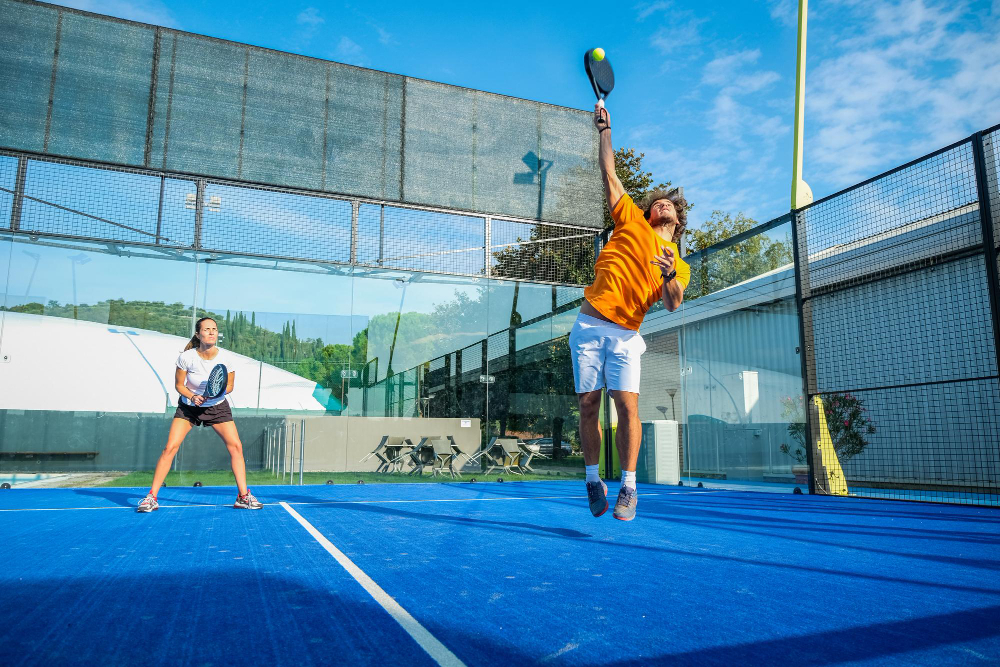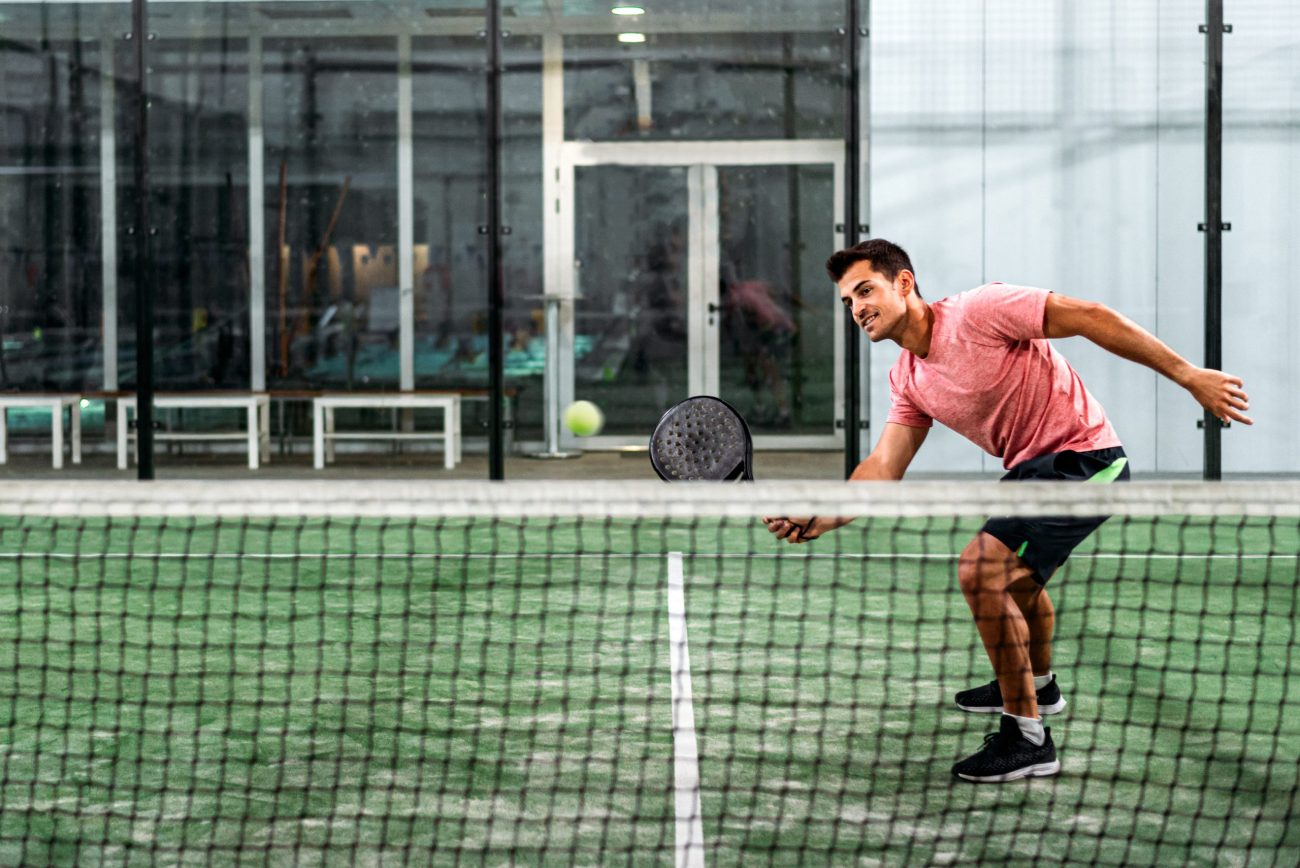
A padel tournament can be “just matches on a schedule”… or it can be the kind of day you talk about for weeks: smooth check-in, fair matchups, good energy, clear communication, and the feeling that you’re part of something bigger than a scoreline.
If you’re new to competitive padel, here’s the truth: a great padel tournament experience isn’t accidental. It’s built through planning, rules clarity, player-first operations, and community vibe.
In this article, we’ll break down what truly makes a padel tournament great and why GOS Open (Indore, 1st February, 9 AM onwards) is positioned to deliver exactly that kind of experience.
1) Smooth Operations: The #1 Thing Players Remember
Players forgive a missed smash. They don’t forgive chaos.
A well-run tournament has:
- Clear check-in process
- Transparent match order and court allocation
- Fair time management (no endless waiting with zero updates)
- A designated organiser/referee presence to handle disputes and keep play moving
This is why many official organiser playbooks emphasise basics like having an appointed referee/organiser structure and strong event communication because good operations are the foundation of a good experience.
Why it matters for GOS Open:
When you’re hosting a tournament that welcomes new players and rising competitors, smooth operations reduce anxiety and let players focus on playing. That “this feels professional” vibe starts at the desk.
2) Fair Formats and Scoring That Keep It Fun (and Moving)
A great tournament format balances two things:
- Fairness (you’re not out after one unlucky game)
- Flow (the event doesn’t drag forever)
For beginner and amateur tournaments, this often means:
- Round-robin group stages or guaranteed minimum matches
- Short sets / time-boxed matches
- Consolation opportunities (when possible)
Round-robin formats are popular because they maximize playtime and reduce the “one loss and it’s over” disappointment especially for first-timers.
The Golden Point factor
Many padel competitions use Golden Point (no-advantage) at deuce: one deciding point ends the game. It speeds up matches, reduces schedule overruns, and keeps tension high in a good way.
Why it matters for GOS Open:
When a tournament starts at 9 AM onwards, formats that keep matches moving help maintain energy, reduce delays, and make the day feel “tight” rather than messy.
3) Clear Rules = More Confidence (Especially for Beginners)
Beginner tournament nerves often come from uncertainty:
- “What if I serve wrong?”
- “Is this ball out?”
- “Can it hit the glass first?”
- “What happens in a dispute?”
A great tournament experience reduces confusion by:
- Sharing key rules in simple language before play
- Having a referee/organiser available to clarify decisions
- Standardizing match conditions (balls, scoring format, warm-up time)
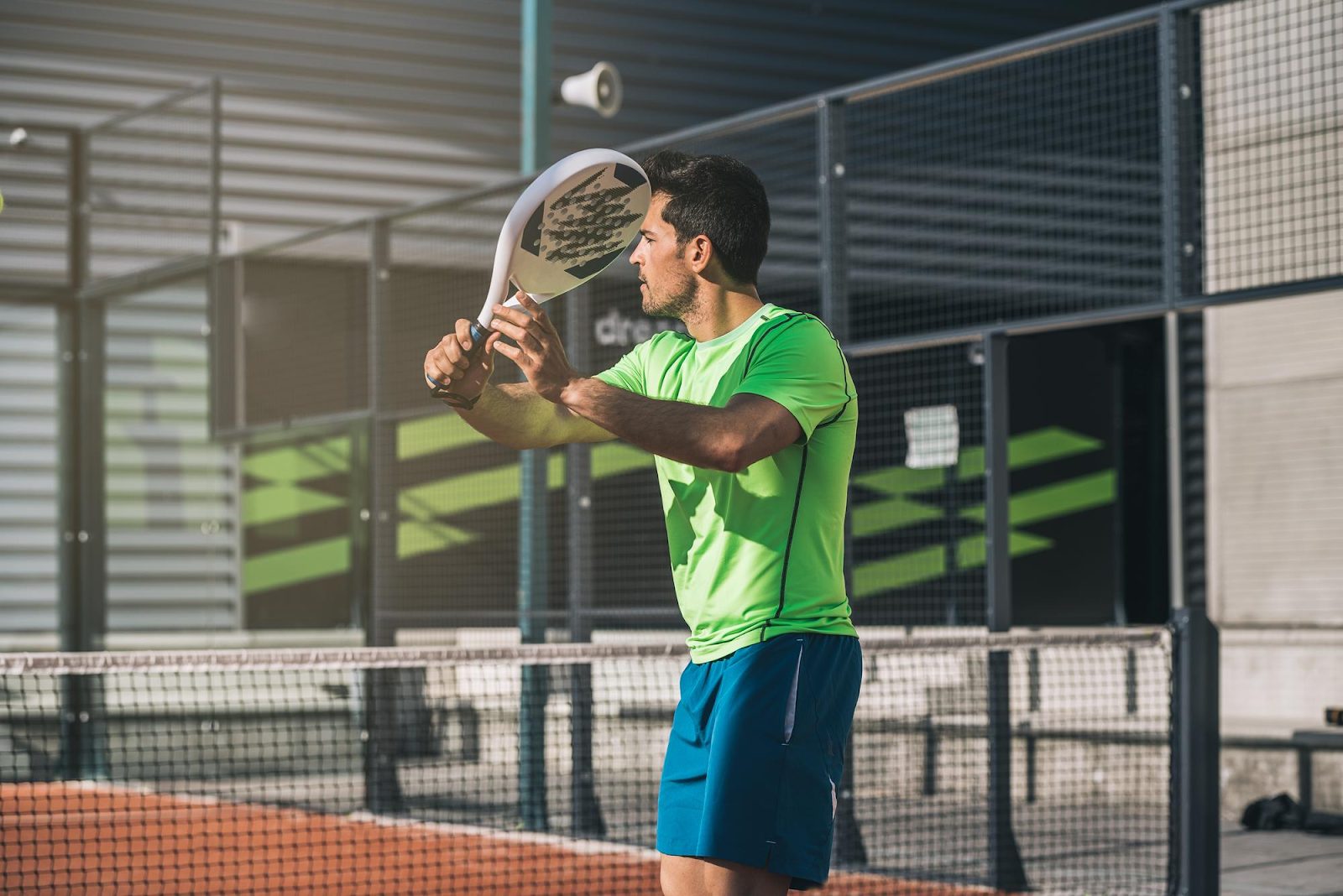
Official rulebooks emphasize equipment standards (like using approved balls) and consistent competition conditions.
Why it matters for GOS Open:
If the goal is to build a strong padel community in Indore, clarity helps beginners feel welcome—and keeps games friendly even when they’re competitive.
4) Scheduling With Respect for Humans (Not Just Courts)
A tournament schedule is not a spreadsheet problem. It’s an experience design problem.
Great tournaments plan for:
- Reasonable match spacing and rest time
- Buffer time for overruns
- Clear “reporting time” instructions
- Updates when delays happen
Even general tournament planning guidance highlights scheduling, rest periods, and buffer planning as key to avoiding a stressful event day.
Why it matters for GOS Open:
When people show up on a Sunday morning (or take time off), they want a day that feels worth it—not one where they spend most of it waiting without clarity.
5) The Venue Experience: Courts, Comfort, and Small Details
You don’t need luxury. You need thoughtfulness.
A great padel tournament venue experience includes:
- Safe, well-maintained courts and proper net/court markings
- Good lighting (if play extends later)
- Water access and basic first aid readiness
- Space for players to sit, recover, and watch matches
Governing-body documents even include guidance around court setup considerations (like recommended outdoor orientation) and standard competition equipment—details that affect play quality.
Why it matters for GOS Open:
If you want a tournament people return to (and tell friends about), comfort and quality matter as much as competition.
6) Communication That Feels Like Hospitality
Great tournaments communicate like great hosts:
- “Here’s what’s happening.”
- “Here’s where you need to be.”
- “Here’s how we’ll handle issues.”
That includes:
- Pre-event instructions (reporting time, rules snapshot, what to bring)
- On-ground signage and announcements
- Clear contact point for queries
- Fast updates for schedule changes
Organiser guides repeatedly stress tournament communication and having a proper organiser/referee structure because it directly impacts player confidence.
Why it matters for GOS Open:
A tournament with strong communication feels premium—even without flashy production. And it instantly builds trust.
7) Community Energy: The “Why This Felt Special” Factor
Here’s what separates “a tournament” from “an experience”:
- Players meet new people
- Friends and families enjoy watching
- Photos/videos capture moments
- There’s a sense of belonging
- The event feels like a celebration of padel, not only results
Amateur sports experience trends increasingly highlight engagement, community-building, and content as part of what makes events memorable not just the games.
Why it matters for GOS Open:
GOS Open is not just a date on the calendar. It’s a community moment for Indore’s padel ecosystem—players, partners, and the sport itself.
Why GOS Open Checks the “Great Tournament Experience” Boxes
We’ll keep this honest: I’m not going to invent details about GOS Open operations that haven’t been stated. But based on what defines great tournament experiences, GOS Open is set up to be one because it has the key ingredients:
- A clear event identity: GOS Open – Indore Edition
- A fixed, confident start time: 1st February, 9 AM onwards (signals structure)
- A city-level community focus: local tournaments are where padel grows fastest
- A beginner-friendly entry point: perfect for players who want their “first real tournament” moment
If GOS Open delivers on the pillars above—smooth ops, fair formats, clear rules, strong communication, and community vibe—it becomes the kind of tournament players return to every year.
Quick Checklist: What to Look for Before You Register (or Organise)
Use this as your “great tournament” filter:
- Do I get guaranteed matches?
- Are rules/scoring format clearly shared?
- Is there a referee/organiser point of contact?
- Is scheduling communicated with buffers and updates?
- Will the venue support comfort (water, seating, basic logistics)?
- Does it feel like a community event (not just a bracket)?
If the answer is mostly yes, you’re in for a great day.
Final Word: Great Tournaments Create Repeat Players
A great padel tournament experience doesn’t just produce winners, it produces:
- more confident beginners
- stronger partnerships
- better competitive spirit
- a bigger local padel scene
And that’s exactly why tournaments like GOS Open (Indore | 1st February | 9 AM onwards) matter. They’re not only events. They’re growth moments for players and for the sport.