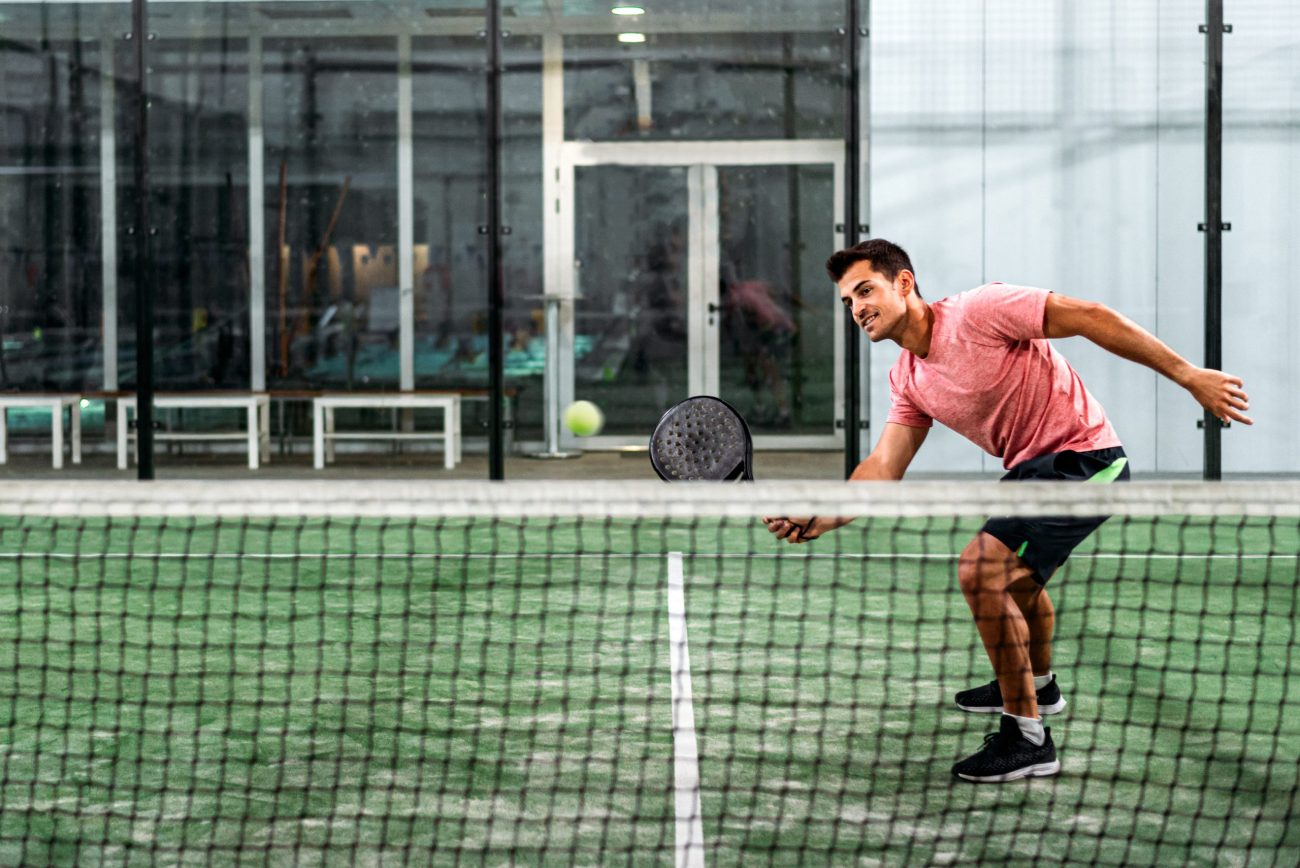

“When I first stepped onto a padel court, I never imagined it would change my life. The walls, the teamwork, the rhythm—it felt different from tennis or squash. But what struck me most was how quickly you could fall in love with the game.” – Alejandro Galán, former World No.1 Padel Player.
Padel, the fastest-growing racket sport in the world, is unique because it’s both professional and playful. Watch the world’s best players, and you’ll see explosive smashes, lightning reflexes, and clever use of walls. Step into your local padel club, and you’ll find beginners laughing, learning, and enjoying rallies on day one.
That’s what makes padel special—it welcomes everyone. You don’t need years of lessons to get started. With a basic understanding of the rules and a partner by your side, you can be part of long, thrilling rallies almost immediately.
In this article, we’ll walk you through step-by-step rules of padel for beginners—from serving and scoring to using the walls—so you can play your very first game with confidence.
Step 1: Understand the Court Layout
Before you pick up a racket, let’s start with the court.
-
Size: 20 meters long and 10 meters wide (smaller than a tennis court).
-
Divided by a Net: Just like tennis, the net splits the court in half.
-
Service Boxes: Four rectangular boxes near the net, used for serving.
-
Walls: The entire court is surrounded by glass and mesh walls up to 3–4 meters high. Unlike tennis, these walls are part of the game.
👉 Beginner Tip: Think of padel as tennis played inside a box where the ball rarely goes out.
Step 2: Learn the Basic Scoring System
Padel uses the same scoring system as tennis:
-
Points go 15, 30, 40, and then game.
-
Six games make a set.
-
Matches are usually best of three sets.
👉 Beginner Tip: If you know tennis scoring, you already understand padel. If not, don’t worry—it’s simple once you play a few games.
Step 3: Serving Rules in Padel
This is where padel becomes beginner-friendly.
-
Underhand Serve: The ball must be hit below waist height.
-
Bounce First: The ball must bounce once in the server’s box before being struck.
-
Diagonal Direction: The serve must land in the diagonally opposite service box.
-
Walls Allowed (After Bounce): If the ball lands correctly, it can bounce off the side or back wall and still be in play.
👉 Beginner Tip: Don’t worry about power—accuracy is more important. Serves are just the start of a rally, not the winning shot.
Step 4: Returning the Serve
When returning a serve:
-
Let the ball bounce once before hitting.
-
You can hit it directly back or after it rebounds off your back wall.
-
The ball can hit the glass after the bounce, but not the mesh fence first.
👉 Beginner Tip: Use a controlled swing. Since the court is small, even soft returns can put pressure on opponents.
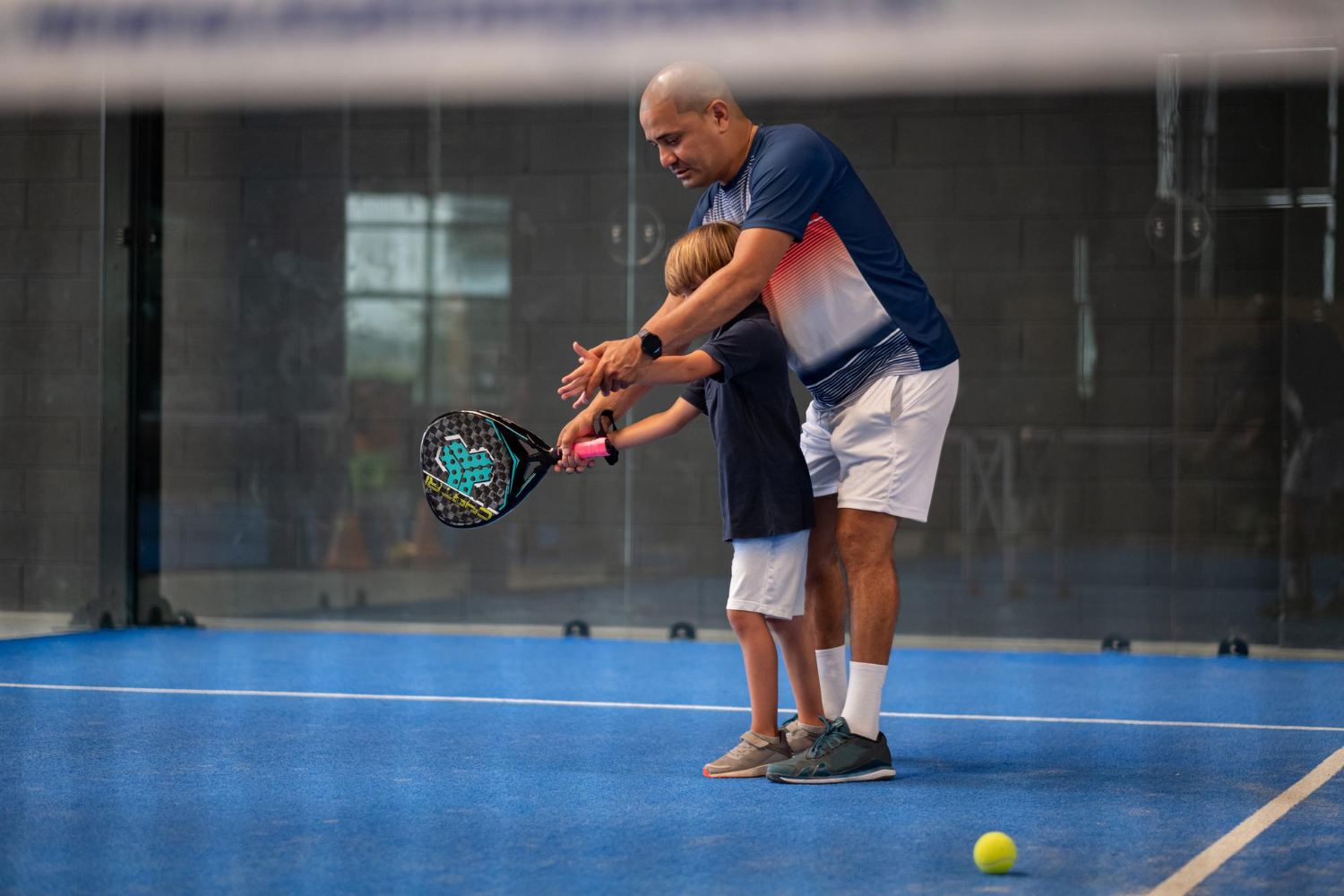
Step 5: How the Rally Works
Once the ball is in play, rallies are where padel shines.
-
The ball can bounce once on the floor.
-
After bouncing, it may hit the glass wall and still be in play.
-
If the ball hits the wire mesh directly (without bouncing first), it’s out.
-
Players can hit the ball against their own walls to send it back across the net—like in squash.
👉 Beginner Tip: Don’t panic when the ball goes behind you—step back, let it bounce off the wall, and hit it calmly.
Step 6: The Golden Rule of Walls
The walls make padel unique. Here’s how to think about them:
-
Defensive Play: Letting the ball hit your back wall gives you extra time.
-
Offensive Play: You can smash the ball into the opponent’s wall to create impossible angles.
-
Illegal Play: Hitting the ball into your opponent’s wall without first crossing the net is not allowed.
👉 Beginner Tip: Mastering wall rebounds turns frustration into fun. This is where padel becomes addictive.
Step 7: Doubles-Only Format
Padel is always played as doubles (2 vs 2).
-
Both players cover half the court but move together as a team.
-
Communication is key: call out “mine” or “yours” to avoid confusion.
-
Unlike tennis, singles padel exists but is extremely rare.
👉 Beginner Tip: Think teamwork first—don’t try to cover the whole court alone.
Step 8: Common Beginner Mistakes
-
Overhitting the Serve – Remember, underhand is enough.
-
Forgetting the Bounce Rule – The ball must bounce before you serve or return.
-
Avoiding the Wall – Beginners panic at rebounds, but the wall is your ally.
-
Poor Positioning – Standing too close to the net leaves you vulnerable to lobs.
-
Not Communicating – Silence loses points. Talk to your partner.
Step 9: Basic Strategy for Beginners
Here’s how to enjoy your first matches:
-
Use the Lob: A high shot pushes opponents back, giving you time to take the net.
-
Control the Net: Teams that dominate the front usually win.
-
Play Consistent Shots: Focus on keeping the ball in play. Let opponents make mistakes.
-
Stay Patient: Points in padel build slowly; don’t try to win on one shot.
👉 Beginner Tip: Winning in padel isn’t about who hits hardest—it’s about who makes fewer errors.
Step 10: Essential Equipment for Beginners
-
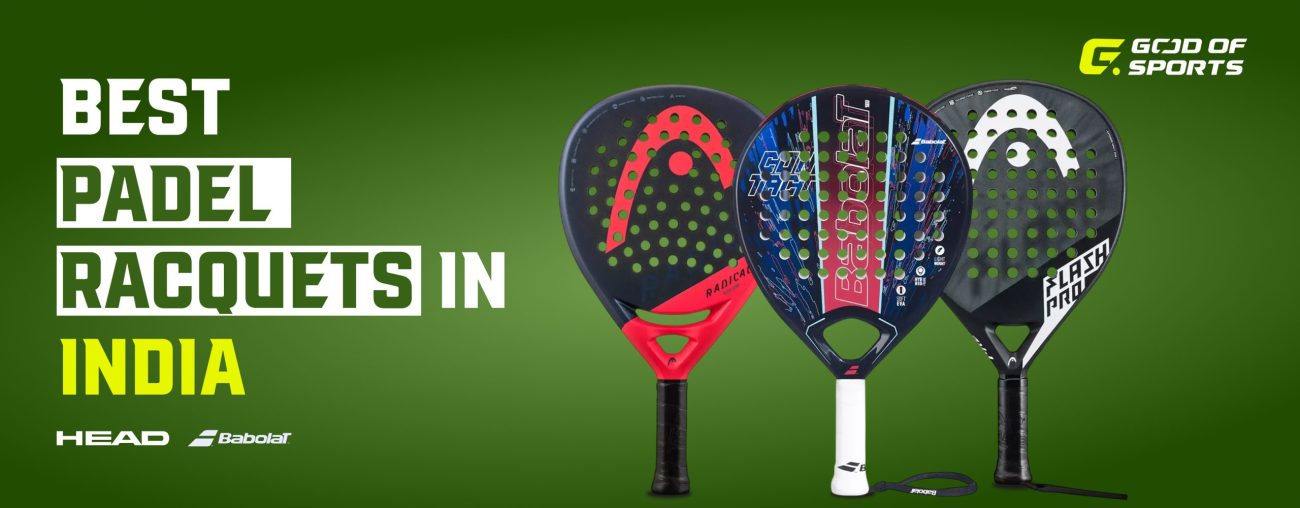
Racket: Start with a round-shaped padel racket (control > power).
-
Balls: Use proper padel balls (similar to tennis balls but slightly less pressurized).
-
Shoes: Court shoes with grip—tennis shoes work at first, but padel shoes are better long-term.
-
Accessories: Overgrips, wristbands, and a small gear bag.
👉 Where to Buy: Sites like GodOfSports stock beginner-friendly rackets from HEAD, Bullpadel, Adidas, and Babolat.
FAQs for Beginners
Q1: Can I hit the ball directly into the wall?
Only on your side, as a rebound. On your opponent’s side, it must cross the net first.
Q2: Is padel hard to learn?
Not at all. Most beginners can rally within their first session.
Q3: How long does a padel match last?
Usually 45–90 minutes depending on scoring.
Q4: Can kids play padel?
Yes! Many clubs now offer junior padel programs with lighter rackets.
Final Thoughts
Padel may look complex at first glance, but its rules are designed to be inclusive. With underhand serves, doubles-only play, and forgiving walls, beginners can experience long rallies and real fun from day one.
The key is simple:
-
Learn the basic rules.
-
Master the walls and positioning.
-
Communicate with your partner.
Once you do, padel becomes more than a sport—it becomes a social, strategic, and endlessly exciting game.
So grab a racket, step onto the glass court, and discover why padel is winning hearts across the world.