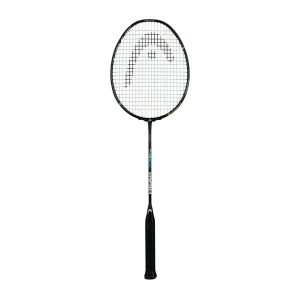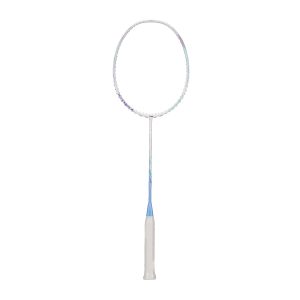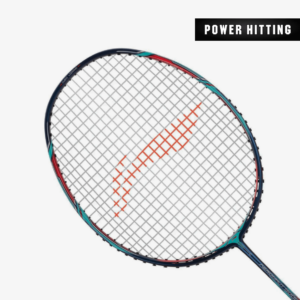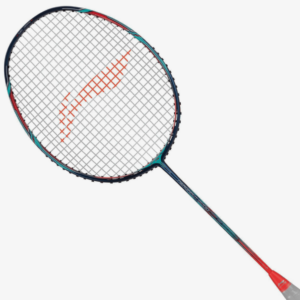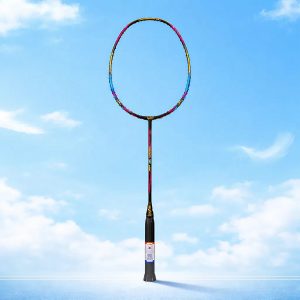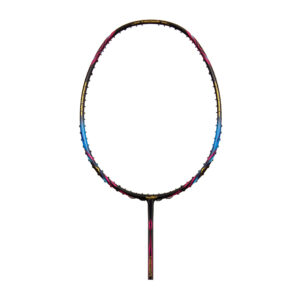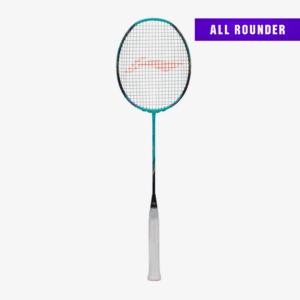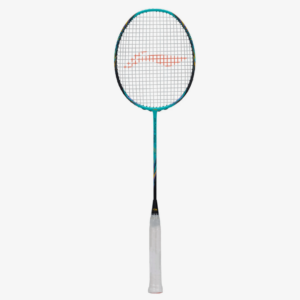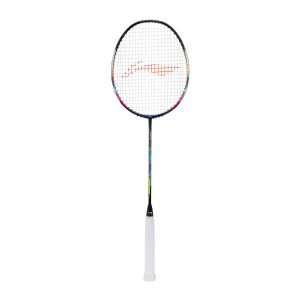
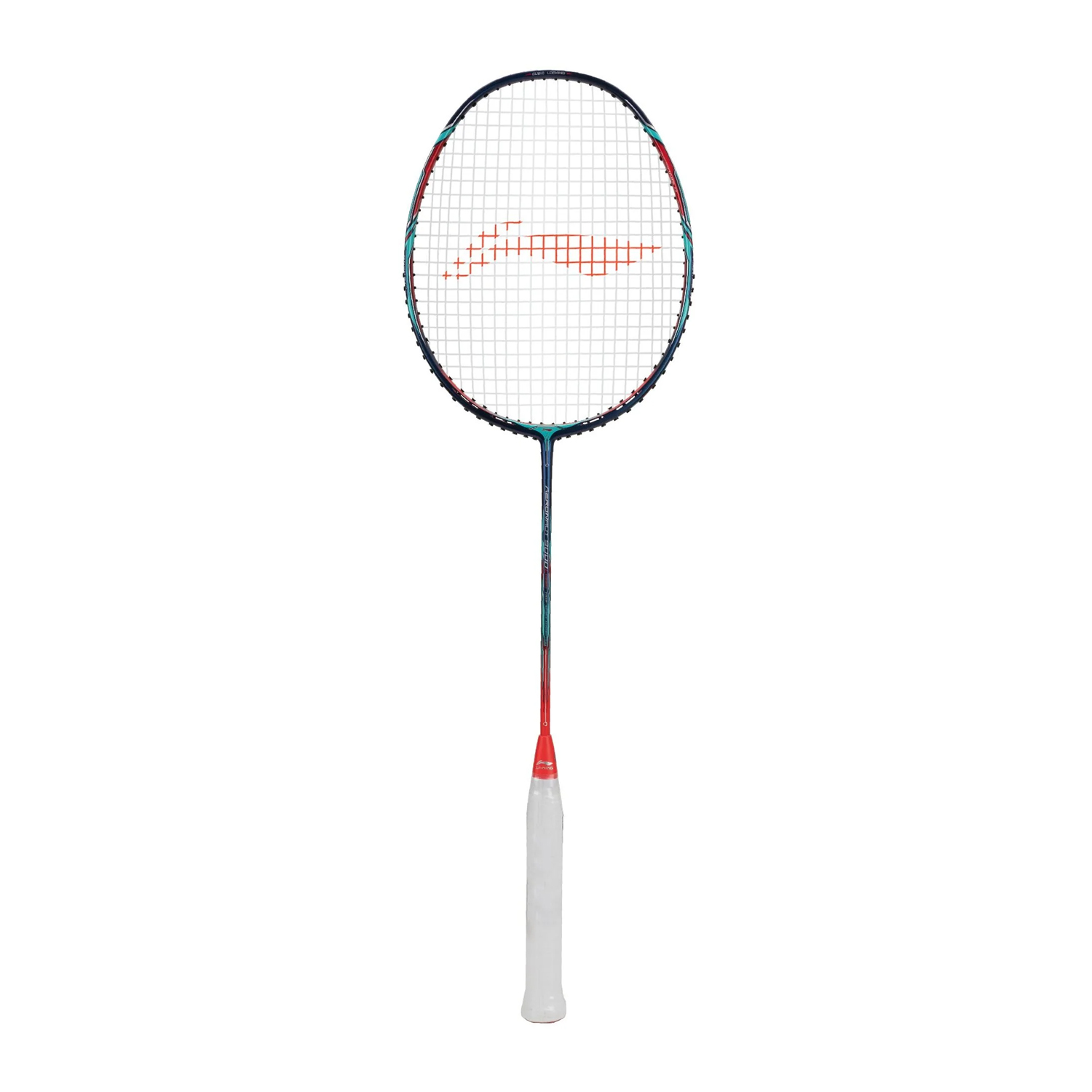
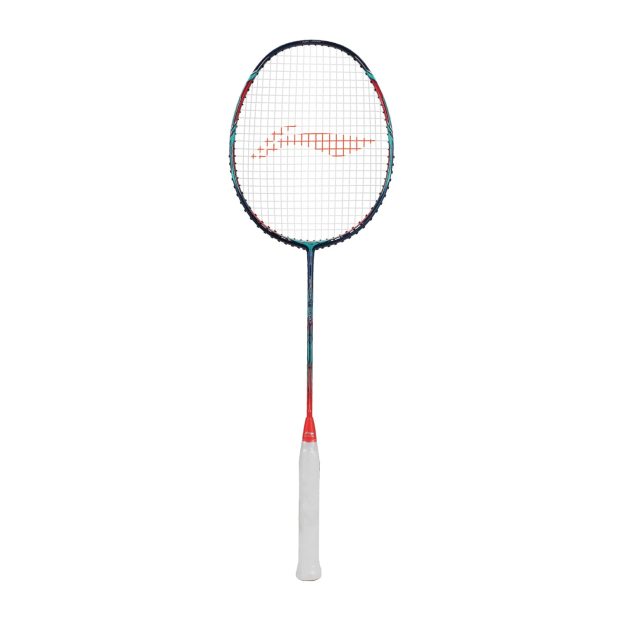
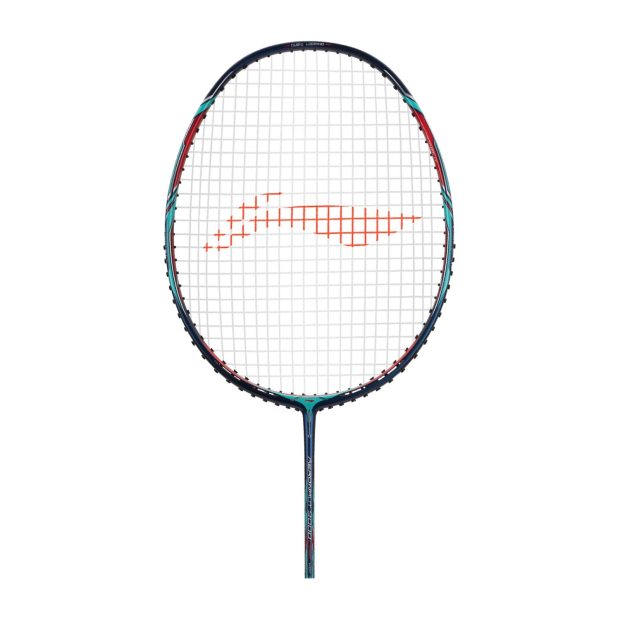
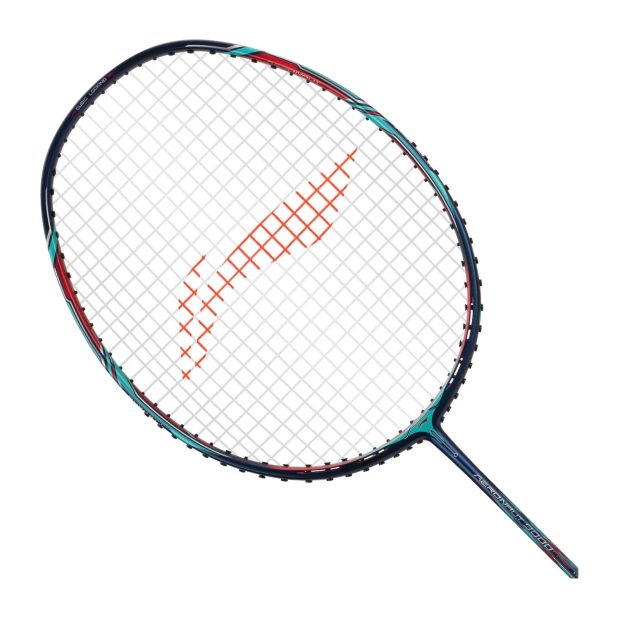


Li-Ning Aeronaut 9000C Combat Badminton Racket (4U)
Li-Ning Aeronaut 9000C Combat Badminton Racket is the power-focused variant in the Aeronaut 9000 series — designated ‘Combat’ to signal its intent as a weapon for aggressive, physically powerful players who want maximum force behind their attacks while retaining the Aeronaut series’ control characteristics.
₹24,990.00 Original price was: ₹24,990.00.₹13,992.00Current price is: ₹13,992.00.
Estimated Delivery Time: 2 - 4 Days (Delivery subject to pincode)
Watch this video before Buying
Frequently Bought Together
Frequently bought together
Choose variants
×| Product | Price | ||
|---|---|---|---|
![]() ![]() ![]() ![]() ![]() |
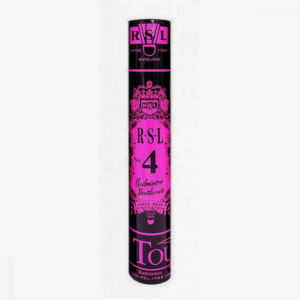
RSL Tourney No. 4 Badminton Feather Shuttlecock | ||
![]() ![]() ![]() ![]() ![]() |
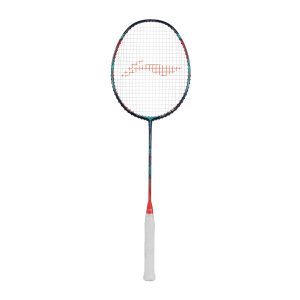
Li-Ning Aeronaut 9000C Combat Badminton Racket (4U) | ||
Total price:
Specification
Description
FAQ's
Specification
Description
God of Sports Expert Verdict on Li-Ning Aeronaut 9000C Combat Badminton Racket:
- The Aeronaut 9000C earns its Combat designation through the quality of its smash feel, not just raw head-weight. The medium-stiff shaft delivers power in a direct, controlled manner — less elastic than the standard 9000’s flexible shaft, but more predictable and precise on timing-sensitive rear-court attacks. Zheng Siwei’s doubles game is the template: explosive smashes from the back court combined with fast flat drives and rapid net approaches, requiring a racket that doesn’t sacrifice control for power. The 9000C’s medium shaft threads this needle effectively.
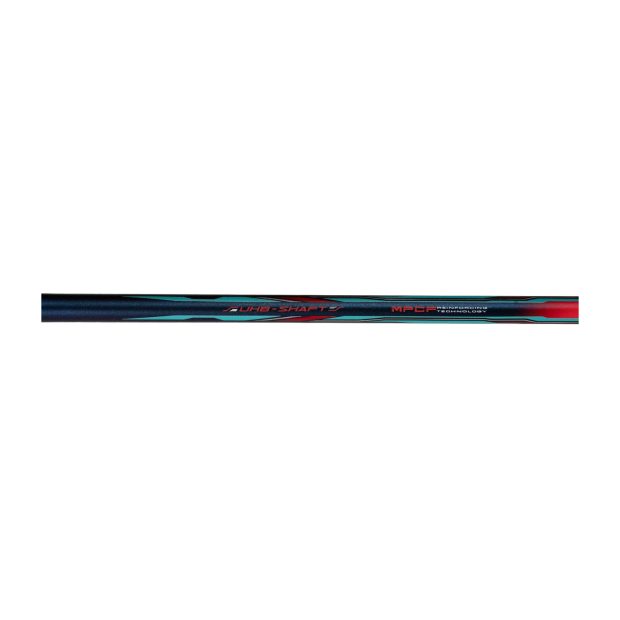
- The MPCF (Multi-layer Pre-impregnated Carbon Fibre) reinforcement is a manufacturing distinction worth noting. Standard carbon fibre layups in racket frames are prone to microscopic wrinkles and non-uniformities at the boundaries between plies, which reduce structural consistency and create unpredictable flex behaviour under load. MPCF reinforcing technology applies handcraft precision at these ply boundaries to eliminate wrinkles and ensure uniform fibre orientation throughout the frame, producing a more consistent, reliable flex behaviour and better long-term structural integrity. This is a quality argument as much as a performance one — the 9000C’s frame is built to a higher manufacturing standard than mass-produced carbon frames.
- The 9000C’s 32 lbs maximum tension is the same as its siblings — significantly higher than the Axforce 90 family (30 lbs). Players who prefer very tight strings for crisp, direct control will find the 9000C particularly rewarding at 28–32 lbs, where the combination of a taut string bed and the medium-stiff shaft produces a very precise, placed shuttle response on drops, drives, and smashes.
Technologies used in Li-Ning Aeronaut 9000C Combat Badminton Racket:
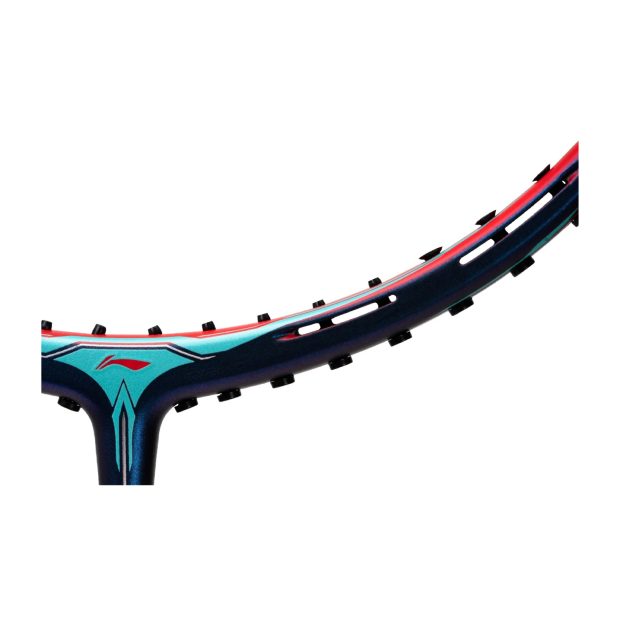
- Aeronaut Airstream Channel — Air Gaps in the Frame for Reduced Drag : The Aeronaut series’ headline technology is immediately visible: four apertures (air gaps) in the frame between the 5 and 7 o’clock positions near the T-joint. This is an unconventional engineering approach — most frame aerodynamics focus on the cross-section shape of the frame material itself, but the Airstream Channel creates actual channels through the frame body that allow air to pass through during the swing. When the racket head accelerates through the hitting plane, air that would otherwise build up as drag pressure on the lower frame face is redirected through these channels, reducing total aerodynamic resistance. The result is a cleaner, faster swing for the same physical effort. This benefit compounds with the series’ aerodynamic frame profile and the slim shaft to produce a racket that cuts through the air more efficiently than any Axforce model, despite sharing similar balance profiles.
- Dynamic-Optimum Frame — Enlarged Sweet Spot : The Dynamic-Optimum Frame is Li-Ning’s head geometry that modifies the shape of the top half of the frame from a strict oval to a profile that moves slightly outward at the sides and slightly inward at the top. This change in frame geometry — invisible to the eye but measurable — seats more of the total string length in the productive central zone of the string bed, effectively enlarging the area of the string bed that produces consistent shuttle control on impact. Players who occasionally hit toward the upper or side edges of the string bed will notice that the Aeronaut 9000C’s shuttle response stays more predictable and controlled on those near-miss hits compared to rackets with conventional head geometry.
- Aero Tec-Beam System — Frame Cross-Section Aerodynamics : Beyond the Airstream Channel, the Aeronaut series also uses the Aero Tec-Beam System — a frame cross-section engineering approach that shapes each segment of the frame material itself for minimum aerodynamic drag. The cross-section profile tapers from the racket face (string side) to the back of the frame in an aerodynamic curve rather than a flat face, allowing air to flow more smoothly around each segment of the frame. Combined with the Airstream Channel, the dual aerodynamic approach makes the Aeronaut 9000C the fastest-swinging frame in terms of air resistance reduction within the Li-Ning premium range, despite its moderate balance profile.
- TB-Nano — Advanced Carbon/Resin Bonding : TB-Nano (Nano-Technology bonding) uses nanoscale engineered particles to improve the molecular bond between carbon fibre strands and the resin matrix that holds them together in the frame’s composite structure. Conventional carbon-resin bonds have microscopic gaps and inconsistencies at the interface between fibre and resin; TB-Nano’s nanoscale additives fill these gaps and create a more uniform, continuous bond. The practical consequences are better structural integrity under repeated impact loading (reduced microcrack propagation, extending frame life), improved energy transfer from the frame to the shuttle (fewer microscopically absorbed stress waves), and a slightly stiffer, more planted feeling on contact that many advanced players associate with precision and control.
- MPCF Reinforcing Technology — Multi-Layer Pre-Impregnated Carbon Fibre : MPCF (Multi-layer Pre-impregnated Carbon Fibre) is Li-Ning’s premium frame manufacturing process applied to the Combat and Instinct Aeronaut variants. In conventional carbon composite racket manufacturing, multiple layers of carbon fibre pre-preg (carbon fibre pre-impregnated with resin) are laid up in a mould and autoclave-cured. At the boundaries between plies, microscopic non-uniformities and wrinkles can form during the layup process, creating localised weak points and inconsistent flex behaviour across the frame. MPCF manufacturing applies handcraft precision at each ply boundary — skilled technicians align each layer individually to eliminate wrinkles before curing — producing a frame in which each carbon ply is perfectly oriented and uniformly bonded to its neighbours. The result is a more consistent, predictable flex response across the entire frame perimeter, better long-term fatigue resistance, and a more uniform power transfer to the shuttle from all areas of the string bed.
- Stabilised Elastic Shaft System — Aramid Core for Vibration Control : The Aeronaut 9000C’s shaft uses the Stabilised Elastic Shaft System, which fills the shaft’s interior with aramid fibre (the same class of ultra-high-strength synthetic fibre used in Kevlar® body armour). In an unfilled carbon tube shaft, the hollow interior resonates on impact, creating vibration waves that travel up the shaft into the grip and contribute to wrist and elbow fatigue. Aramid fibre’s unique combination of very high tensile strength and high energy absorption means the fibre packing absorbs and dissipates these vibration waves before they reach the grip, producing a noticeably quieter, more controlled feel in the hand on hard smashes. The aramid filling also stabilises the shaft against lateral flex (torsion), keeping the racket face aligned more consistently during off-centre contact.
The Aeronaut 9000 Family: 9000 vs 9000C (Combat) vs 9000I (Instinct)
| Specification | Aeronaut 9000 (Boost) | Aeronaut 9000C (Combat) | Aeronaut 9000I (Instinct) |
|---|---|---|---|
| Colour | White / Gold | Blue / Red | Black / Gold / Purple |
| Balance Point | 305mm (mid-family) | 298mm (lowest in family) | 327mm (extreme head-heavy) |
| Shaft Flex | Flexible (Soft) | Medium-Stiff | Flexible (Soft) |
| Weight (typical) | 4U / 3U | 4U / 3U | 5U (79g) — lightest |
| Series Name | Boost (All-rounder) | Combat (Power) | Instinct (Speed+Attack) |
| Character | Versatile, accessible, control | Power + control, medium-stiff | Speed, explosive attack, light |
| Best For | All-round singles/doubles | Powerful attacking doubles/singles | Fast-twitch doubles attackers |
Is the Li-Ning Aeronaut 9000C Combat Badminton Racket (4U) Right for You?
- Powerful Doubles Players — Rear-Court Attacking and Flat Drive Exchanges Zheng Siwei and Ong Yew Sin represent the ideal Aeronaut 9000C player: explosive doubles specialists who need maximum smash power from the back court combined with fast, flat mid-court drives and rapid recovery for net interceptions. The medium-stiff shaft’s direct power delivery suits the short, compact swings of doubles attacking play, while the Airstream Channel’s aerodynamic advantage enables fast recovery movement between shots. If you are an attacking doubles player who smashes hard and drives flat, the 9000C is your racket in the Aeronaut family.
- Singles Players Who Want Control + Power Without Extreme Head-Weight The 9000C’s 298mm balance point is modest by attacking racket standards — lower than the standard 9000’s 305mm, far lower than the Axforce 90 Dragon Max’s 309mm. This makes it more manoeuvrable than extreme head-heavy frames while still delivering strong attacking power through its medium-stiff shaft engineering. Singles players who want the Aeronaut’s aerodynamic precision with more attacking character than the flexible 9000 will find the 9000C a compelling option.
FAQ's
Shop Online
Shop 24/7 with your smartphone
Shipping Worldwide
Free Shipping All Over India
Pay on Delivery
You're in safe hands
Frequently Bought Together
Frequently bought together
Choose variants
×| Product | Price | ||
|---|---|---|---|
![]() ![]() ![]() ![]() ![]() |
RSL Tourney No. 4 Badminton Feather Shuttlecock | ||
![]() ![]() ![]() ![]() ![]() |
Li-Ning Aeronaut 9000C Combat Badminton Racket (4U) | ||
Total price:
Product Details
Specification
Description
FAQ's
Specification
| Weight Class | 4U (80–84g) |
| Grip Size | G6 (S1) |
| Balance | Head-heavy (298mm — engineered Combat power) |
| Shaft Flex | Medium-Stiff |
| Frame Material | Military Grade Carbon Fibre + MPCF |
| Max String Tension | ≤ 32 lbs |
| Overall Length | 675mm |
| Grip Length | 210mm |
Description
God of Sports Expert Verdict on Li-Ning Aeronaut 9000C Combat Badminton Racket:
- The Aeronaut 9000C earns its Combat designation through the quality of its smash feel, not just raw head-weight. The medium-stiff shaft delivers power in a direct, controlled manner — less elastic than the standard 9000’s flexible shaft, but more predictable and precise on timing-sensitive rear-court attacks. Zheng Siwei’s doubles game is the template: explosive smashes from the back court combined with fast flat drives and rapid net approaches, requiring a racket that doesn’t sacrifice control for power. The 9000C’s medium shaft threads this needle effectively.
- The MPCF (Multi-layer Pre-impregnated Carbon Fibre) reinforcement is a manufacturing distinction worth noting. Standard carbon fibre layups in racket frames are prone to microscopic wrinkles and non-uniformities at the boundaries between plies, which reduce structural consistency and create unpredictable flex behaviour under load. MPCF reinforcing technology applies handcraft precision at these ply boundaries to eliminate wrinkles and ensure uniform fibre orientation throughout the frame, producing a more consistent, reliable flex behaviour and better long-term structural integrity. This is a quality argument as much as a performance one — the 9000C’s frame is built to a higher manufacturing standard than mass-produced carbon frames.
- The 9000C’s 32 lbs maximum tension is the same as its siblings — significantly higher than the Axforce 90 family (30 lbs). Players who prefer very tight strings for crisp, direct control will find the 9000C particularly rewarding at 28–32 lbs, where the combination of a taut string bed and the medium-stiff shaft produces a very precise, placed shuttle response on drops, drives, and smashes.
Technologies used in Li-Ning Aeronaut 9000C Combat Badminton Racket:
- Aeronaut Airstream Channel — Air Gaps in the Frame for Reduced Drag : The Aeronaut series’ headline technology is immediately visible: four apertures (air gaps) in the frame between the 5 and 7 o’clock positions near the T-joint. This is an unconventional engineering approach — most frame aerodynamics focus on the cross-section shape of the frame material itself, but the Airstream Channel creates actual channels through the frame body that allow air to pass through during the swing. When the racket head accelerates through the hitting plane, air that would otherwise build up as drag pressure on the lower frame face is redirected through these channels, reducing total aerodynamic resistance. The result is a cleaner, faster swing for the same physical effort. This benefit compounds with the series’ aerodynamic frame profile and the slim shaft to produce a racket that cuts through the air more efficiently than any Axforce model, despite sharing similar balance profiles.
- Dynamic-Optimum Frame — Enlarged Sweet Spot : The Dynamic-Optimum Frame is Li-Ning’s head geometry that modifies the shape of the top half of the frame from a strict oval to a profile that moves slightly outward at the sides and slightly inward at the top. This change in frame geometry — invisible to the eye but measurable — seats more of the total string length in the productive central zone of the string bed, effectively enlarging the area of the string bed that produces consistent shuttle control on impact. Players who occasionally hit toward the upper or side edges of the string bed will notice that the Aeronaut 9000C’s shuttle response stays more predictable and controlled on those near-miss hits compared to rackets with conventional head geometry.
- Aero Tec-Beam System — Frame Cross-Section Aerodynamics : Beyond the Airstream Channel, the Aeronaut series also uses the Aero Tec-Beam System — a frame cross-section engineering approach that shapes each segment of the frame material itself for minimum aerodynamic drag. The cross-section profile tapers from the racket face (string side) to the back of the frame in an aerodynamic curve rather than a flat face, allowing air to flow more smoothly around each segment of the frame. Combined with the Airstream Channel, the dual aerodynamic approach makes the Aeronaut 9000C the fastest-swinging frame in terms of air resistance reduction within the Li-Ning premium range, despite its moderate balance profile.
- TB-Nano — Advanced Carbon/Resin Bonding : TB-Nano (Nano-Technology bonding) uses nanoscale engineered particles to improve the molecular bond between carbon fibre strands and the resin matrix that holds them together in the frame’s composite structure. Conventional carbon-resin bonds have microscopic gaps and inconsistencies at the interface between fibre and resin; TB-Nano’s nanoscale additives fill these gaps and create a more uniform, continuous bond. The practical consequences are better structural integrity under repeated impact loading (reduced microcrack propagation, extending frame life), improved energy transfer from the frame to the shuttle (fewer microscopically absorbed stress waves), and a slightly stiffer, more planted feeling on contact that many advanced players associate with precision and control.
- MPCF Reinforcing Technology — Multi-Layer Pre-Impregnated Carbon Fibre : MPCF (Multi-layer Pre-impregnated Carbon Fibre) is Li-Ning’s premium frame manufacturing process applied to the Combat and Instinct Aeronaut variants. In conventional carbon composite racket manufacturing, multiple layers of carbon fibre pre-preg (carbon fibre pre-impregnated with resin) are laid up in a mould and autoclave-cured. At the boundaries between plies, microscopic non-uniformities and wrinkles can form during the layup process, creating localised weak points and inconsistent flex behaviour across the frame. MPCF manufacturing applies handcraft precision at each ply boundary — skilled technicians align each layer individually to eliminate wrinkles before curing — producing a frame in which each carbon ply is perfectly oriented and uniformly bonded to its neighbours. The result is a more consistent, predictable flex response across the entire frame perimeter, better long-term fatigue resistance, and a more uniform power transfer to the shuttle from all areas of the string bed.
- Stabilised Elastic Shaft System — Aramid Core for Vibration Control : The Aeronaut 9000C’s shaft uses the Stabilised Elastic Shaft System, which fills the shaft’s interior with aramid fibre (the same class of ultra-high-strength synthetic fibre used in Kevlar® body armour). In an unfilled carbon tube shaft, the hollow interior resonates on impact, creating vibration waves that travel up the shaft into the grip and contribute to wrist and elbow fatigue. Aramid fibre’s unique combination of very high tensile strength and high energy absorption means the fibre packing absorbs and dissipates these vibration waves before they reach the grip, producing a noticeably quieter, more controlled feel in the hand on hard smashes. The aramid filling also stabilises the shaft against lateral flex (torsion), keeping the racket face aligned more consistently during off-centre contact.
The Aeronaut 9000 Family: 9000 vs 9000C (Combat) vs 9000I (Instinct)
| Specification | Aeronaut 9000 (Boost) | Aeronaut 9000C (Combat) | Aeronaut 9000I (Instinct) |
|---|---|---|---|
| Colour | White / Gold | Blue / Red | Black / Gold / Purple |
| Balance Point | 305mm (mid-family) | 298mm (lowest in family) | 327mm (extreme head-heavy) |
| Shaft Flex | Flexible (Soft) | Medium-Stiff | Flexible (Soft) |
| Weight (typical) | 4U / 3U | 4U / 3U | 5U (79g) — lightest |
| Series Name | Boost (All-rounder) | Combat (Power) | Instinct (Speed+Attack) |
| Character | Versatile, accessible, control | Power + control, medium-stiff | Speed, explosive attack, light |
| Best For | All-round singles/doubles | Powerful attacking doubles/singles | Fast-twitch doubles attackers |
Is the Li-Ning Aeronaut 9000C Combat Badminton Racket (4U) Right for You?
- Powerful Doubles Players — Rear-Court Attacking and Flat Drive Exchanges Zheng Siwei and Ong Yew Sin represent the ideal Aeronaut 9000C player: explosive doubles specialists who need maximum smash power from the back court combined with fast, flat mid-court drives and rapid recovery for net interceptions. The medium-stiff shaft’s direct power delivery suits the short, compact swings of doubles attacking play, while the Airstream Channel’s aerodynamic advantage enables fast recovery movement between shots. If you are an attacking doubles player who smashes hard and drives flat, the 9000C is your racket in the Aeronaut family.
- Singles Players Who Want Control + Power Without Extreme Head-Weight The 9000C’s 298mm balance point is modest by attacking racket standards — lower than the standard 9000’s 305mm, far lower than the Axforce 90 Dragon Max’s 309mm. This makes it more manoeuvrable than extreme head-heavy frames while still delivering strong attacking power through its medium-stiff shaft engineering. Singles players who want the Aeronaut’s aerodynamic precision with more attacking character than the flexible 9000 will find the 9000C a compelling option.
FAQ's
| Weight Class | 4U (80–84g) |
| Grip Size | G6 (S1) |
| Balance | Head-heavy (298mm — engineered Combat power) |
| Shaft Flex | Medium-Stiff |
| Frame Material | Military Grade Carbon Fibre + MPCF |
| Max String Tension | ≤ 32 lbs |
| Overall Length | 675mm |
| Grip Length | 210mm |
God of Sports Expert Verdict on Li-Ning Aeronaut 9000C Combat Badminton Racket:
- The Aeronaut 9000C earns its Combat designation through the quality of its smash feel, not just raw head-weight. The medium-stiff shaft delivers power in a direct, controlled manner — less elastic than the standard 9000’s flexible shaft, but more predictable and precise on timing-sensitive rear-court attacks. Zheng Siwei’s doubles game is the template: explosive smashes from the back court combined with fast flat drives and rapid net approaches, requiring a racket that doesn’t sacrifice control for power. The 9000C’s medium shaft threads this needle effectively.
- The MPCF (Multi-layer Pre-impregnated Carbon Fibre) reinforcement is a manufacturing distinction worth noting. Standard carbon fibre layups in racket frames are prone to microscopic wrinkles and non-uniformities at the boundaries between plies, which reduce structural consistency and create unpredictable flex behaviour under load. MPCF reinforcing technology applies handcraft precision at these ply boundaries to eliminate wrinkles and ensure uniform fibre orientation throughout the frame, producing a more consistent, reliable flex behaviour and better long-term structural integrity. This is a quality argument as much as a performance one — the 9000C’s frame is built to a higher manufacturing standard than mass-produced carbon frames.
- The 9000C’s 32 lbs maximum tension is the same as its siblings — significantly higher than the Axforce 90 family (30 lbs). Players who prefer very tight strings for crisp, direct control will find the 9000C particularly rewarding at 28–32 lbs, where the combination of a taut string bed and the medium-stiff shaft produces a very precise, placed shuttle response on drops, drives, and smashes.
Technologies used in Li-Ning Aeronaut 9000C Combat Badminton Racket:
- Aeronaut Airstream Channel — Air Gaps in the Frame for Reduced Drag : The Aeronaut series’ headline technology is immediately visible: four apertures (air gaps) in the frame between the 5 and 7 o’clock positions near the T-joint. This is an unconventional engineering approach — most frame aerodynamics focus on the cross-section shape of the frame material itself, but the Airstream Channel creates actual channels through the frame body that allow air to pass through during the swing. When the racket head accelerates through the hitting plane, air that would otherwise build up as drag pressure on the lower frame face is redirected through these channels, reducing total aerodynamic resistance. The result is a cleaner, faster swing for the same physical effort. This benefit compounds with the series’ aerodynamic frame profile and the slim shaft to produce a racket that cuts through the air more efficiently than any Axforce model, despite sharing similar balance profiles.
- Dynamic-Optimum Frame — Enlarged Sweet Spot : The Dynamic-Optimum Frame is Li-Ning’s head geometry that modifies the shape of the top half of the frame from a strict oval to a profile that moves slightly outward at the sides and slightly inward at the top. This change in frame geometry — invisible to the eye but measurable — seats more of the total string length in the productive central zone of the string bed, effectively enlarging the area of the string bed that produces consistent shuttle control on impact. Players who occasionally hit toward the upper or side edges of the string bed will notice that the Aeronaut 9000C’s shuttle response stays more predictable and controlled on those near-miss hits compared to rackets with conventional head geometry.
- Aero Tec-Beam System — Frame Cross-Section Aerodynamics : Beyond the Airstream Channel, the Aeronaut series also uses the Aero Tec-Beam System — a frame cross-section engineering approach that shapes each segment of the frame material itself for minimum aerodynamic drag. The cross-section profile tapers from the racket face (string side) to the back of the frame in an aerodynamic curve rather than a flat face, allowing air to flow more smoothly around each segment of the frame. Combined with the Airstream Channel, the dual aerodynamic approach makes the Aeronaut 9000C the fastest-swinging frame in terms of air resistance reduction within the Li-Ning premium range, despite its moderate balance profile.
- TB-Nano — Advanced Carbon/Resin Bonding : TB-Nano (Nano-Technology bonding) uses nanoscale engineered particles to improve the molecular bond between carbon fibre strands and the resin matrix that holds them together in the frame’s composite structure. Conventional carbon-resin bonds have microscopic gaps and inconsistencies at the interface between fibre and resin; TB-Nano’s nanoscale additives fill these gaps and create a more uniform, continuous bond. The practical consequences are better structural integrity under repeated impact loading (reduced microcrack propagation, extending frame life), improved energy transfer from the frame to the shuttle (fewer microscopically absorbed stress waves), and a slightly stiffer, more planted feeling on contact that many advanced players associate with precision and control.
- MPCF Reinforcing Technology — Multi-Layer Pre-Impregnated Carbon Fibre : MPCF (Multi-layer Pre-impregnated Carbon Fibre) is Li-Ning’s premium frame manufacturing process applied to the Combat and Instinct Aeronaut variants. In conventional carbon composite racket manufacturing, multiple layers of carbon fibre pre-preg (carbon fibre pre-impregnated with resin) are laid up in a mould and autoclave-cured. At the boundaries between plies, microscopic non-uniformities and wrinkles can form during the layup process, creating localised weak points and inconsistent flex behaviour across the frame. MPCF manufacturing applies handcraft precision at each ply boundary — skilled technicians align each layer individually to eliminate wrinkles before curing — producing a frame in which each carbon ply is perfectly oriented and uniformly bonded to its neighbours. The result is a more consistent, predictable flex response across the entire frame perimeter, better long-term fatigue resistance, and a more uniform power transfer to the shuttle from all areas of the string bed.
- Stabilised Elastic Shaft System — Aramid Core for Vibration Control : The Aeronaut 9000C’s shaft uses the Stabilised Elastic Shaft System, which fills the shaft’s interior with aramid fibre (the same class of ultra-high-strength synthetic fibre used in Kevlar® body armour). In an unfilled carbon tube shaft, the hollow interior resonates on impact, creating vibration waves that travel up the shaft into the grip and contribute to wrist and elbow fatigue. Aramid fibre’s unique combination of very high tensile strength and high energy absorption means the fibre packing absorbs and dissipates these vibration waves before they reach the grip, producing a noticeably quieter, more controlled feel in the hand on hard smashes. The aramid filling also stabilises the shaft against lateral flex (torsion), keeping the racket face aligned more consistently during off-centre contact.
The Aeronaut 9000 Family: 9000 vs 9000C (Combat) vs 9000I (Instinct)
| Specification | Aeronaut 9000 (Boost) | Aeronaut 9000C (Combat) | Aeronaut 9000I (Instinct) |
|---|---|---|---|
| Colour | White / Gold | Blue / Red | Black / Gold / Purple |
| Balance Point | 305mm (mid-family) | 298mm (lowest in family) | 327mm (extreme head-heavy) |
| Shaft Flex | Flexible (Soft) | Medium-Stiff | Flexible (Soft) |
| Weight (typical) | 4U / 3U | 4U / 3U | 5U (79g) — lightest |
| Series Name | Boost (All-rounder) | Combat (Power) | Instinct (Speed+Attack) |
| Character | Versatile, accessible, control | Power + control, medium-stiff | Speed, explosive attack, light |
| Best For | All-round singles/doubles | Powerful attacking doubles/singles | Fast-twitch doubles attackers |
Is the Li-Ning Aeronaut 9000C Combat Badminton Racket (4U) Right for You?
- Powerful Doubles Players — Rear-Court Attacking and Flat Drive Exchanges Zheng Siwei and Ong Yew Sin represent the ideal Aeronaut 9000C player: explosive doubles specialists who need maximum smash power from the back court combined with fast, flat mid-court drives and rapid recovery for net interceptions. The medium-stiff shaft’s direct power delivery suits the short, compact swings of doubles attacking play, while the Airstream Channel’s aerodynamic advantage enables fast recovery movement between shots. If you are an attacking doubles player who smashes hard and drives flat, the 9000C is your racket in the Aeronaut family.
- Singles Players Who Want Control + Power Without Extreme Head-Weight The 9000C’s 298mm balance point is modest by attacking racket standards — lower than the standard 9000’s 305mm, far lower than the Axforce 90 Dragon Max’s 309mm. This makes it more manoeuvrable than extreme head-heavy frames while still delivering strong attacking power through its medium-stiff shaft engineering. Singles players who want the Aeronaut’s aerodynamic precision with more attacking character than the flexible 9000 will find the 9000C a compelling option.
Customer Reviews
Products from same brand
Joola Perseus Pro V Pickleball Paddle - Ben Johns (16mm)
JOOLA Primo Pickleballs (Pack of 50)
Similar Products
Victor Thruster Hammer M Badminton Racket
Maxbolt Superstar 11 Badminton Racket
Asics Court Control FF2 Badminton Shoes
YONEX Tokyo Ultima Badminton Shoes for Men (Fig/Greanadine/Honey Gold)
YONEX Power Cushion SHB 65 Z3 Wide (White Orange) Badminton Shoes
VICTOR A391-BA All-Around Series Badminton Shoes U-Shape 3.0 (Blue)
Recently Viewed
God's Advice
Best Pickleball Balls in India 2026
By
Sports Analyst
February 27, 2026
How Padel Is Growing in India: A New Era of Racket Sports
By
Sports Analyst
January 9, 2026
Announcing GOS Open – Indore Edition: Everything You Need to Know
By
Sports Analyst
January 9, 2026
Local Tournaments & Why They Matter for India’s Padel Community
By
Sports Analyst
January 9, 2026