






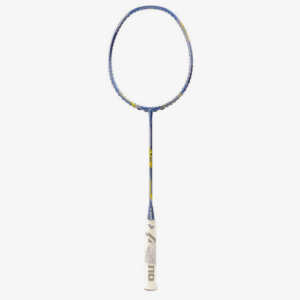



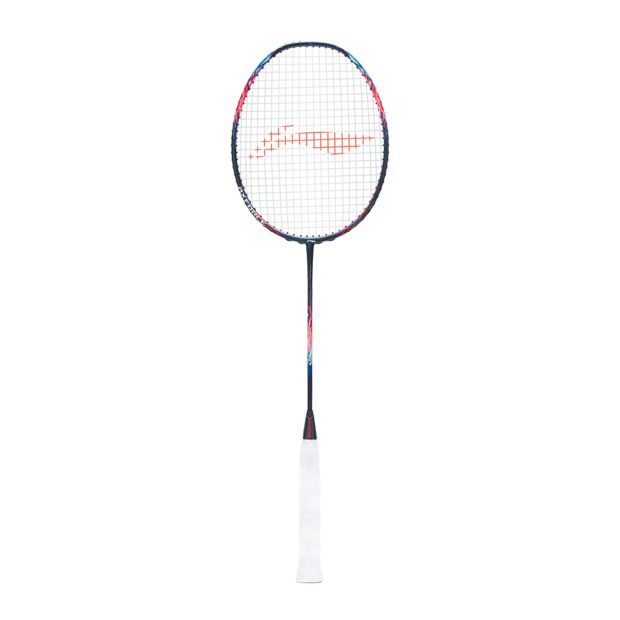
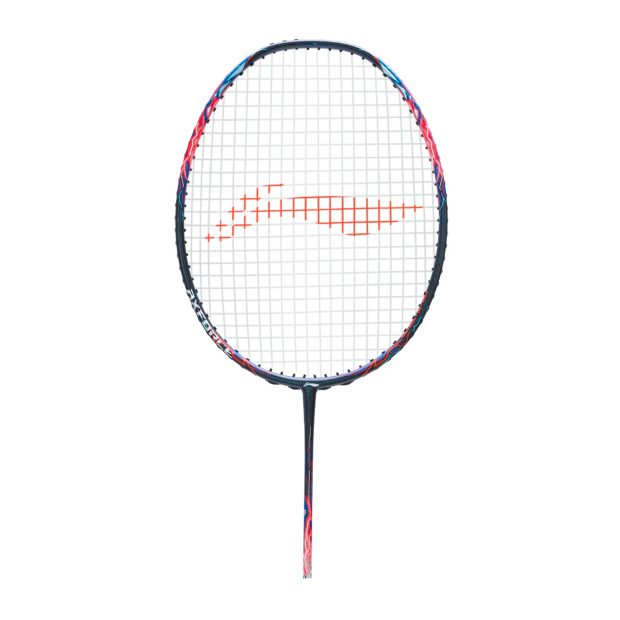
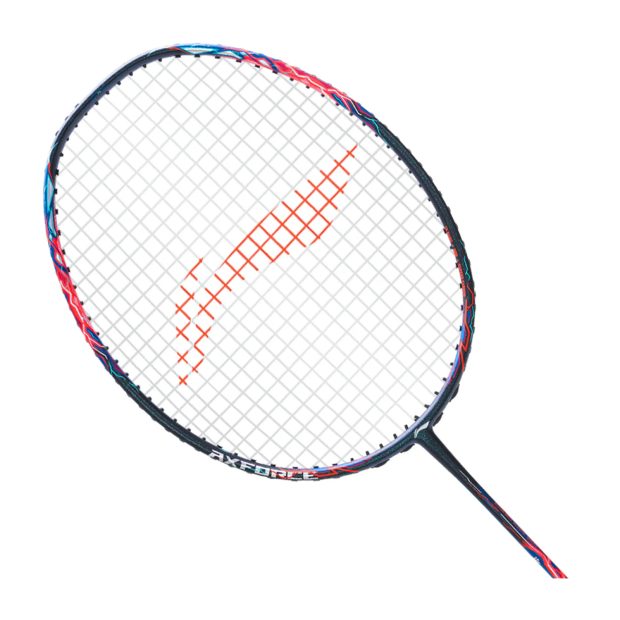
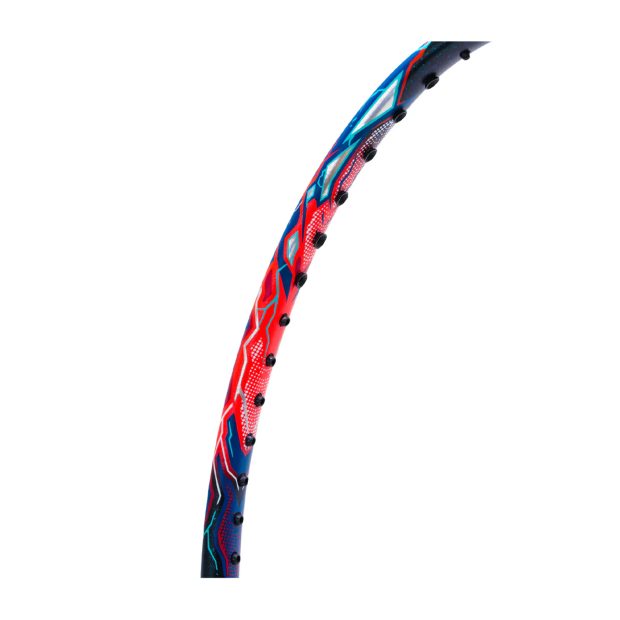
Li-Ning Axforce 90 Tiger Max Badminton Racket (4U)
Li-Ning Axforce 90 Tiger Max Badminton Racket is a specialist in the Axforce 90, designed for a different attacking profile than the Dragon Max.
₹25,990.00 Original price was: ₹25,990.00.₹14,982.00Current price is: ₹14,982.00.
Estimated Delivery Time: 2 - 4 Days (Delivery subject to pincode)
Estimated Delivery Time: 2 - 4 Days (Delivery subject to pincode)
Watch this video before Buying
Frequently Bought Together
Specification
Description
FAQ's
Specification
Description
God of Sports Expert Verdict on Li-Ning Axforce 90 Tiger Max Badminton Racket:
- The Tiger Max of Axforce 90 Li-Ning Badminton Racket earns its reputation as the more versatile of the Max pair. Jonatan Christie’s selection is fitting: the longer shaft’s whip character suits a player who combines explosive smashing with rapid net approaches and the need to recover quickly for intercept kills. The slightly lower balance point compared to the Dragon makes the Tiger marginally more comfortable for extended sessions and slightly more forgiving on the wrist — an important practical consideration for players who train daily.
- The medium-flex shaft, while still demanding relative to the standard Axforce 90, offers a more elastic energy feel on smashes than the Dragon’s hard flex. The shaft bends perceptibly on a full swing, stores energy, and releases it in a whipping action — many players describe this as giving the smash a more ‘explosive’, almost cracking feel compared to the Dragon’s more ‘planted’, direct power delivery. Neither is superior; they suit different swing mechanics and preferences.
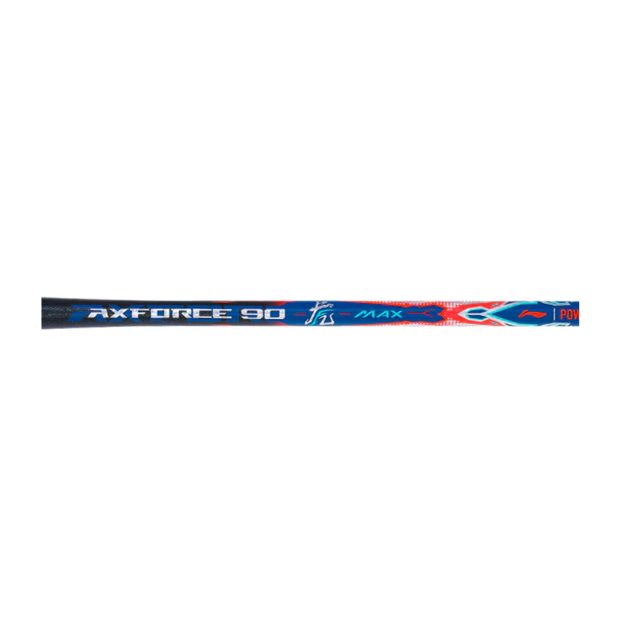
- The Red colourway is one of Li-Ning’s most visually striking sports products. The combination of red frame, white decal text, and the tiger illustration on the shaft make this one of the most immediately recognisable rackets on any court. It is not a subtle racket in appearance, which perfectly matches its playing character.
Technologies used in Li-Ning Axforce 90 Tiger Max Badminton Racket:
- FRTP Technology — Frame Shape Recovery : FRTP (Frame Recovery Technology, Patent-pending) addresses one of the most technically demanding requirements in high-performance badminton racket design: the frame must deform slightly under the enormous force of a full-power smash, then recover its exact original geometry in the milliseconds before the next shot. Poor frame recovery means energy is wasted in deformation rather than transferred to the shuttle, and it means the sweet spot shifts fractionally between shots, reducing consistency. Li-Ning’s FRTP engineering fine-tunes the carbon fibre layup and resin composition in the frame to optimise both the rate and completeness of shape recovery. The practical result is that consecutive attacking shots — a smash followed immediately by a net kill, for example — feel equally precise and powerful, because the racket has returned to its engineered geometry between strikes.
- M50 Super Carbon Fibre — Premium-Grade Frame Material : The Dragon Max and Tiger Max both use M50 super carbon fibre, a higher-modulus material than the M40-series carbon used in most competitor rackets at a comparable price. Higher modulus carbon fibre has a tighter molecular structure, which means: greater stiffness-to-weight ratio (the frame stays rigid under load, transferring more swing energy into the shuttle rather than flexing and absorbing it), improved torsional resistance (the frame resists twisting off-centre, so mis-hits are more forgiving than on a lower-quality frame), and superior fatigue resistance over time. The result is a racket that feels and performs consistently session after session, rather than gradually softening as the frame fatigues. This is the same class of carbon as used in premium Yonex and Victor flagship frames, and it is the material upgrade that most clearly justifies the Max designation over the standard Axforce 90.
- Box Wing Frame — Aerodynamics and Stability Combined :The Box Wing Frame is Li-Ning’s frame cross-section technology that departs from the conventional flat oval profile of most badminton frames. By using a box-shaped cross-section with internal ribbing inspired by wing design in aeronautical engineering, the Box Wing Frame achieves two properties simultaneously: the box profile cuts through air with less turbulence than a flat oval (producing faster swing speed for equal effort), and the internal ribbing adds torsional stiffness to the frame without adding weight (meaning smashes hit slightly off-centre still transfer power cleanly, rather than the frame twisting and bleeding energy). The aerodynamic benefit is most noticeable on fast deceptive drops and net kills, where swing speed is short and sharp — a cleaner air passage means less deceleration, sharper shuttle impact.
- Wing Stabilizer — Anti-Twist Frame Reinforcement : While the Box Wing Frame handles aerodynamics, the Wing Stabilizer is a separate structural reinforcement integrated into the frame at the shoulder and upper hoop zones — the areas most subjected to torsional (twisting) forces during off-centre impacts. In a badminton match, the shuttle does not always land exactly in the geometric sweet spot of the string bed; shots hit toward the upper or outer frame edges create twisting forces that rotate the racket face, distorting the shuttle’s intended flight direction. The Wing Stabilizer counteracts this by stiffening exactly those high-torque zones, keeping the frame true and the shot direction accurate even on imperfect contact. For attacking players who swing at full power from the rear court and occasionally catch the shuttle slightly off-sweet-spot, the Wing Stabilizer is the difference between a mis-hit that still clears the net and one that drops into it.
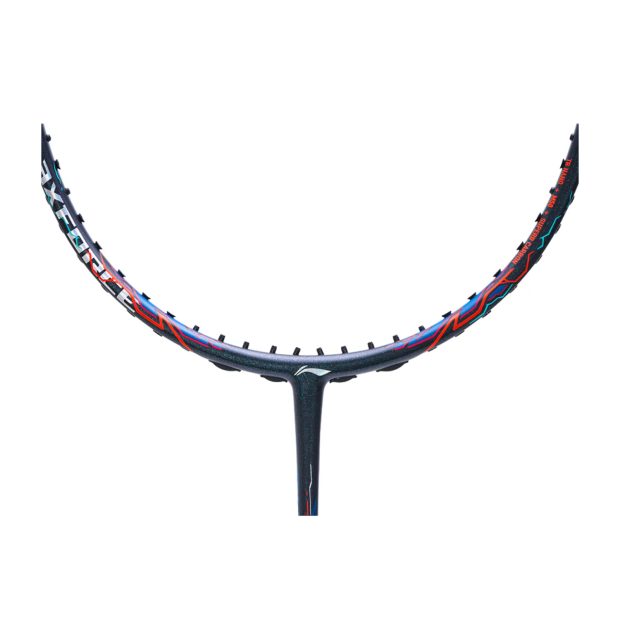
- HDF Shock Absorption — Vibration Damping at the Throat : HDF (High Density Foam) shock absorption is Li-Ning’s patented vibration management system integrated into the Li-Ning Badminton Racket throat junction — the most structurally stressed point of any badminton racket. On impact with the shuttle, a racket frame transmits mechanical shock waves through the frame into the handle and into your wrist and arm. Unmanaged vibration at high string tension and swing speed is a primary cause of chronic elbow and wrist injuries in badminton. HDF foam inserted at the throat junction absorbs and dissipates a significant proportion of this shock wave before it reaches the grip, producing two benefits: a cleaner, more ‘solid’ contact feel on the shuttle (the vibration buzz that some lower-end rackets produce is eliminated), and meaningfully reduced cumulative strain on your wrist, elbow and shoulder in extended play sessions. Players who play daily or in multiple sessions per week will especially notice this benefit over time.
The Axforce 90 Li-Ning Badminton Racket Family: Standard vs Dragon Max vs Tiger Max
| Specification | Axforce 90 (Standard) | Dragon Max | Tiger Max |
|---|---|---|---|
| Carbon Grade | M46 + T1100 ultra-high-modulus | M50 super carbon | M50 super carbon |
| Shaft Diameter | 6.4mm | 6.2mm | 6.2mm |
| Shaft Flex | Medium | Medium-Stiff (Hard Flex) | Medium (softer than Dragon) |
| Shaft Length | Standard | 20.5cm (shorter — stiffer) | 21cm (longer — more whip) |
| Balance Point (4U) | Head-heavy ~295mm | 309mm (highest) | 302mm |
| Balance Character | Head-heavy, accessible | Maximum head-heavy, stiffer | Head-heavy, more whip |
| Max Tension (4U) | ≤ 30 lbs | ≤ 30 lbs | ≤ 30 lbs |
| Play Style | Aggressive all-round attack | Maximum rear-court power, precision | Power + whip, fast smash recovery |
| Skill Level | Intermediate–Advanced | Advanced–Professional | Advanced–Professional |
Is the Li-Ning Axforce 90 Tiger Max Badminton Racket (4U) Right for You?
- Attacking Players Who Value Speed and Smash Recovery : The Tiger Max’s longer shaft whip and slightly lower balance point suit players who combine heavy smashing with fast follow-up — the sequence of smash → net kill, or smash → defensive lift → counter-attack. Jonatan Christie’s game is the prototype: every shot is followed immediately by movement and intent, and the Tiger Max’s faster racket recovery enables that continuity. If your attacking game involves variety and speed as much as raw power, the Tiger Max is your racket in the Axforce 90 family.
- Doubles Players Who Smash Heavily and Drive Flat : Of the two Max variants, the Tiger is the more suitable for doubles play. The 302mm balance point (7mm lower than Dragon) and medium-flex shaft make flat mid-court drives and diagonal intercepts more accessible. Rear-court smash doubles players who want M50 premium material and head-heavy attacking performance without the Dragon’s extreme demands will find the Tiger the right balance of power and playability.
FAQ's
Shop Online
Shop 24/7 with your smartphone
Shipping Worldwide
Free Shipping All Over India
Pay on Delivery
You're in safe hands
Frequently Bought Together
Product Details
Specification
Description
FAQ's
Specification
| Weight Class | 4U (80–84g) |
| Grip Size | G5 |
| Balance | Head-heavy (302mm) |
| Shaft Diameter | 6.2mm |
| Shaft Flex | Medium (softer than Dragon Max) |
| Shaft Length | 21cm (longer than Dragon — more whip) |
| Frame Material | M50 Super Carbon Fibre |
| Max String Tension | ≤ 30 lbs (4U) |
| Overall Length | 675mm (Standard) |
| Colour | Red |
| Suitable For | Advanced–Professional |
| Play Style | Attacking — Head Heavy |
Description
God of Sports Expert Verdict on Li-Ning Axforce 90 Tiger Max Badminton Racket:
- The Tiger Max of Axforce 90 Li-Ning Badminton Racket earns its reputation as the more versatile of the Max pair. Jonatan Christie’s selection is fitting: the longer shaft’s whip character suits a player who combines explosive smashing with rapid net approaches and the need to recover quickly for intercept kills. The slightly lower balance point compared to the Dragon makes the Tiger marginally more comfortable for extended sessions and slightly more forgiving on the wrist — an important practical consideration for players who train daily.
- The medium-flex shaft, while still demanding relative to the standard Axforce 90, offers a more elastic energy feel on smashes than the Dragon’s hard flex. The shaft bends perceptibly on a full swing, stores energy, and releases it in a whipping action — many players describe this as giving the smash a more ‘explosive’, almost cracking feel compared to the Dragon’s more ‘planted’, direct power delivery. Neither is superior; they suit different swing mechanics and preferences.
- The Red colourway is one of Li-Ning’s most visually striking sports products. The combination of red frame, white decal text, and the tiger illustration on the shaft make this one of the most immediately recognisable rackets on any court. It is not a subtle racket in appearance, which perfectly matches its playing character.
Technologies used in Li-Ning Axforce 90 Tiger Max Badminton Racket:
- FRTP Technology — Frame Shape Recovery : FRTP (Frame Recovery Technology, Patent-pending) addresses one of the most technically demanding requirements in high-performance badminton racket design: the frame must deform slightly under the enormous force of a full-power smash, then recover its exact original geometry in the milliseconds before the next shot. Poor frame recovery means energy is wasted in deformation rather than transferred to the shuttle, and it means the sweet spot shifts fractionally between shots, reducing consistency. Li-Ning’s FRTP engineering fine-tunes the carbon fibre layup and resin composition in the frame to optimise both the rate and completeness of shape recovery. The practical result is that consecutive attacking shots — a smash followed immediately by a net kill, for example — feel equally precise and powerful, because the racket has returned to its engineered geometry between strikes.
- M50 Super Carbon Fibre — Premium-Grade Frame Material : The Dragon Max and Tiger Max both use M50 super carbon fibre, a higher-modulus material than the M40-series carbon used in most competitor rackets at a comparable price. Higher modulus carbon fibre has a tighter molecular structure, which means: greater stiffness-to-weight ratio (the frame stays rigid under load, transferring more swing energy into the shuttle rather than flexing and absorbing it), improved torsional resistance (the frame resists twisting off-centre, so mis-hits are more forgiving than on a lower-quality frame), and superior fatigue resistance over time. The result is a racket that feels and performs consistently session after session, rather than gradually softening as the frame fatigues. This is the same class of carbon as used in premium Yonex and Victor flagship frames, and it is the material upgrade that most clearly justifies the Max designation over the standard Axforce 90.
- Box Wing Frame — Aerodynamics and Stability Combined :The Box Wing Frame is Li-Ning’s frame cross-section technology that departs from the conventional flat oval profile of most badminton frames. By using a box-shaped cross-section with internal ribbing inspired by wing design in aeronautical engineering, the Box Wing Frame achieves two properties simultaneously: the box profile cuts through air with less turbulence than a flat oval (producing faster swing speed for equal effort), and the internal ribbing adds torsional stiffness to the frame without adding weight (meaning smashes hit slightly off-centre still transfer power cleanly, rather than the frame twisting and bleeding energy). The aerodynamic benefit is most noticeable on fast deceptive drops and net kills, where swing speed is short and sharp — a cleaner air passage means less deceleration, sharper shuttle impact.
- Wing Stabilizer — Anti-Twist Frame Reinforcement : While the Box Wing Frame handles aerodynamics, the Wing Stabilizer is a separate structural reinforcement integrated into the frame at the shoulder and upper hoop zones — the areas most subjected to torsional (twisting) forces during off-centre impacts. In a badminton match, the shuttle does not always land exactly in the geometric sweet spot of the string bed; shots hit toward the upper or outer frame edges create twisting forces that rotate the racket face, distorting the shuttle’s intended flight direction. The Wing Stabilizer counteracts this by stiffening exactly those high-torque zones, keeping the frame true and the shot direction accurate even on imperfect contact. For attacking players who swing at full power from the rear court and occasionally catch the shuttle slightly off-sweet-spot, the Wing Stabilizer is the difference between a mis-hit that still clears the net and one that drops into it.
- HDF Shock Absorption — Vibration Damping at the Throat : HDF (High Density Foam) shock absorption is Li-Ning’s patented vibration management system integrated into the Li-Ning Badminton Racket throat junction — the most structurally stressed point of any badminton racket. On impact with the shuttle, a racket frame transmits mechanical shock waves through the frame into the handle and into your wrist and arm. Unmanaged vibration at high string tension and swing speed is a primary cause of chronic elbow and wrist injuries in badminton. HDF foam inserted at the throat junction absorbs and dissipates a significant proportion of this shock wave before it reaches the grip, producing two benefits: a cleaner, more ‘solid’ contact feel on the shuttle (the vibration buzz that some lower-end rackets produce is eliminated), and meaningfully reduced cumulative strain on your wrist, elbow and shoulder in extended play sessions. Players who play daily or in multiple sessions per week will especially notice this benefit over time.
The Axforce 90 Li-Ning Badminton Racket Family: Standard vs Dragon Max vs Tiger Max
| Specification | Axforce 90 (Standard) | Dragon Max | Tiger Max |
|---|---|---|---|
| Carbon Grade | M46 + T1100 ultra-high-modulus | M50 super carbon | M50 super carbon |
| Shaft Diameter | 6.4mm | 6.2mm | 6.2mm |
| Shaft Flex | Medium | Medium-Stiff (Hard Flex) | Medium (softer than Dragon) |
| Shaft Length | Standard | 20.5cm (shorter — stiffer) | 21cm (longer — more whip) |
| Balance Point (4U) | Head-heavy ~295mm | 309mm (highest) | 302mm |
| Balance Character | Head-heavy, accessible | Maximum head-heavy, stiffer | Head-heavy, more whip |
| Max Tension (4U) | ≤ 30 lbs | ≤ 30 lbs | ≤ 30 lbs |
| Play Style | Aggressive all-round attack | Maximum rear-court power, precision | Power + whip, fast smash recovery |
| Skill Level | Intermediate–Advanced | Advanced–Professional | Advanced–Professional |
Is the Li-Ning Axforce 90 Tiger Max Badminton Racket (4U) Right for You?
- Attacking Players Who Value Speed and Smash Recovery : The Tiger Max’s longer shaft whip and slightly lower balance point suit players who combine heavy smashing with fast follow-up — the sequence of smash → net kill, or smash → defensive lift → counter-attack. Jonatan Christie’s game is the prototype: every shot is followed immediately by movement and intent, and the Tiger Max’s faster racket recovery enables that continuity. If your attacking game involves variety and speed as much as raw power, the Tiger Max is your racket in the Axforce 90 family.
- Doubles Players Who Smash Heavily and Drive Flat : Of the two Max variants, the Tiger is the more suitable for doubles play. The 302mm balance point (7mm lower than Dragon) and medium-flex shaft make flat mid-court drives and diagonal intercepts more accessible. Rear-court smash doubles players who want M50 premium material and head-heavy attacking performance without the Dragon’s extreme demands will find the Tiger the right balance of power and playability.
FAQ's
All three are head-heavy attacking rackets from Li-Ning’s Axforce 90 family, but they have distinct specifications. The standard Axforce 90 (2025 version) uses a newer M46+T1100 carbon material with a 6.4mm medium-flex shaft — it is the most accessible of the three and uses the Kinetic Amplitude System frame technology. The Dragon Max and Tiger Max (2022, updated 2024) both use M50 super carbon with a slimmer 6.2mm shaft and HDF shock absorption, making them more premium material-wise. Within the Max pair: the Dragon has a stiffer shaft, shorter shaft length (20.5cm), and higher balance point (309mm), making it the precision power specialist; the Tiger has a slightly more flexible shaft, longer shaft (21cm), and lower balance point (302mm), giving it more whip and faster recovery between attacks.
The Axforce 90 series is primarily designed for singles or doubles players with a power-first attacking style. In doubles, the head-heavy balance can make flat-drive exchanges and defence slightly more demanding than an even-balance racket, but for rear-court doubles players who smash often and move forward to net, the Axforce 90 series is a strong choice. The Tiger Max’s slightly lower balance point and faster shaft recovery makes it more suitable for doubles than the Dragon Max.
For power players: Li-Ning N61 (the string Loh Kean Yew uses with the Dragon Max) is the natural Li-Ning choice. Yonex BG80P and BG66 Ultimax are excellent alternatives that pair well with head-heavy frames. String tension: 26–28 lbs for intermediates, 28–30 lbs for advanced players. Do not exceed the stated maximum tension of 30 lbs for the 4U version.
No. The Axforce 90 series is designed for intermediate to advanced players with an established attacking technique. The head-heavy balance and stiff shaft demand consistent, full-power swings to perform correctly — players who cannot generate sufficient swing speed will find the racket difficult to handle and will not benefit from its technologies. Beginners should start with a lighter, even-balance racket and graduate to head-heavy attacking frames as their technique develops.
| Weight Class | 4U (80–84g) |
| Grip Size | G5 |
| Balance | Head-heavy (302mm) |
| Shaft Diameter | 6.2mm |
| Shaft Flex | Medium (softer than Dragon Max) |
| Shaft Length | 21cm (longer than Dragon — more whip) |
| Frame Material | M50 Super Carbon Fibre |
| Max String Tension | ≤ 30 lbs (4U) |
| Overall Length | 675mm (Standard) |
| Colour | Red |
| Suitable For | Advanced–Professional |
| Play Style | Attacking — Head Heavy |
God of Sports Expert Verdict on Li-Ning Axforce 90 Tiger Max Badminton Racket:
- The Tiger Max of Axforce 90 Li-Ning Badminton Racket earns its reputation as the more versatile of the Max pair. Jonatan Christie’s selection is fitting: the longer shaft’s whip character suits a player who combines explosive smashing with rapid net approaches and the need to recover quickly for intercept kills. The slightly lower balance point compared to the Dragon makes the Tiger marginally more comfortable for extended sessions and slightly more forgiving on the wrist — an important practical consideration for players who train daily.
- The medium-flex shaft, while still demanding relative to the standard Axforce 90, offers a more elastic energy feel on smashes than the Dragon’s hard flex. The shaft bends perceptibly on a full swing, stores energy, and releases it in a whipping action — many players describe this as giving the smash a more ‘explosive’, almost cracking feel compared to the Dragon’s more ‘planted’, direct power delivery. Neither is superior; they suit different swing mechanics and preferences.
- The Red colourway is one of Li-Ning’s most visually striking sports products. The combination of red frame, white decal text, and the tiger illustration on the shaft make this one of the most immediately recognisable rackets on any court. It is not a subtle racket in appearance, which perfectly matches its playing character.
Technologies used in Li-Ning Axforce 90 Tiger Max Badminton Racket:
- FRTP Technology — Frame Shape Recovery : FRTP (Frame Recovery Technology, Patent-pending) addresses one of the most technically demanding requirements in high-performance badminton racket design: the frame must deform slightly under the enormous force of a full-power smash, then recover its exact original geometry in the milliseconds before the next shot. Poor frame recovery means energy is wasted in deformation rather than transferred to the shuttle, and it means the sweet spot shifts fractionally between shots, reducing consistency. Li-Ning’s FRTP engineering fine-tunes the carbon fibre layup and resin composition in the frame to optimise both the rate and completeness of shape recovery. The practical result is that consecutive attacking shots — a smash followed immediately by a net kill, for example — feel equally precise and powerful, because the racket has returned to its engineered geometry between strikes.
- M50 Super Carbon Fibre — Premium-Grade Frame Material : The Dragon Max and Tiger Max both use M50 super carbon fibre, a higher-modulus material than the M40-series carbon used in most competitor rackets at a comparable price. Higher modulus carbon fibre has a tighter molecular structure, which means: greater stiffness-to-weight ratio (the frame stays rigid under load, transferring more swing energy into the shuttle rather than flexing and absorbing it), improved torsional resistance (the frame resists twisting off-centre, so mis-hits are more forgiving than on a lower-quality frame), and superior fatigue resistance over time. The result is a racket that feels and performs consistently session after session, rather than gradually softening as the frame fatigues. This is the same class of carbon as used in premium Yonex and Victor flagship frames, and it is the material upgrade that most clearly justifies the Max designation over the standard Axforce 90.
- Box Wing Frame — Aerodynamics and Stability Combined :The Box Wing Frame is Li-Ning’s frame cross-section technology that departs from the conventional flat oval profile of most badminton frames. By using a box-shaped cross-section with internal ribbing inspired by wing design in aeronautical engineering, the Box Wing Frame achieves two properties simultaneously: the box profile cuts through air with less turbulence than a flat oval (producing faster swing speed for equal effort), and the internal ribbing adds torsional stiffness to the frame without adding weight (meaning smashes hit slightly off-centre still transfer power cleanly, rather than the frame twisting and bleeding energy). The aerodynamic benefit is most noticeable on fast deceptive drops and net kills, where swing speed is short and sharp — a cleaner air passage means less deceleration, sharper shuttle impact.
- Wing Stabilizer — Anti-Twist Frame Reinforcement : While the Box Wing Frame handles aerodynamics, the Wing Stabilizer is a separate structural reinforcement integrated into the frame at the shoulder and upper hoop zones — the areas most subjected to torsional (twisting) forces during off-centre impacts. In a badminton match, the shuttle does not always land exactly in the geometric sweet spot of the string bed; shots hit toward the upper or outer frame edges create twisting forces that rotate the racket face, distorting the shuttle’s intended flight direction. The Wing Stabilizer counteracts this by stiffening exactly those high-torque zones, keeping the frame true and the shot direction accurate even on imperfect contact. For attacking players who swing at full power from the rear court and occasionally catch the shuttle slightly off-sweet-spot, the Wing Stabilizer is the difference between a mis-hit that still clears the net and one that drops into it.
- HDF Shock Absorption — Vibration Damping at the Throat : HDF (High Density Foam) shock absorption is Li-Ning’s patented vibration management system integrated into the Li-Ning Badminton Racket throat junction — the most structurally stressed point of any badminton racket. On impact with the shuttle, a racket frame transmits mechanical shock waves through the frame into the handle and into your wrist and arm. Unmanaged vibration at high string tension and swing speed is a primary cause of chronic elbow and wrist injuries in badminton. HDF foam inserted at the throat junction absorbs and dissipates a significant proportion of this shock wave before it reaches the grip, producing two benefits: a cleaner, more ‘solid’ contact feel on the shuttle (the vibration buzz that some lower-end rackets produce is eliminated), and meaningfully reduced cumulative strain on your wrist, elbow and shoulder in extended play sessions. Players who play daily or in multiple sessions per week will especially notice this benefit over time.
The Axforce 90 Li-Ning Badminton Racket Family: Standard vs Dragon Max vs Tiger Max
| Specification | Axforce 90 (Standard) | Dragon Max | Tiger Max |
|---|---|---|---|
| Carbon Grade | M46 + T1100 ultra-high-modulus | M50 super carbon | M50 super carbon |
| Shaft Diameter | 6.4mm | 6.2mm | 6.2mm |
| Shaft Flex | Medium | Medium-Stiff (Hard Flex) | Medium (softer than Dragon) |
| Shaft Length | Standard | 20.5cm (shorter — stiffer) | 21cm (longer — more whip) |
| Balance Point (4U) | Head-heavy ~295mm | 309mm (highest) | 302mm |
| Balance Character | Head-heavy, accessible | Maximum head-heavy, stiffer | Head-heavy, more whip |
| Max Tension (4U) | ≤ 30 lbs | ≤ 30 lbs | ≤ 30 lbs |
| Play Style | Aggressive all-round attack | Maximum rear-court power, precision | Power + whip, fast smash recovery |
| Skill Level | Intermediate–Advanced | Advanced–Professional | Advanced–Professional |
Is the Li-Ning Axforce 90 Tiger Max Badminton Racket (4U) Right for You?
- Attacking Players Who Value Speed and Smash Recovery : The Tiger Max’s longer shaft whip and slightly lower balance point suit players who combine heavy smashing with fast follow-up — the sequence of smash → net kill, or smash → defensive lift → counter-attack. Jonatan Christie’s game is the prototype: every shot is followed immediately by movement and intent, and the Tiger Max’s faster racket recovery enables that continuity. If your attacking game involves variety and speed as much as raw power, the Tiger Max is your racket in the Axforce 90 family.
- Doubles Players Who Smash Heavily and Drive Flat : Of the two Max variants, the Tiger is the more suitable for doubles play. The 302mm balance point (7mm lower than Dragon) and medium-flex shaft make flat mid-court drives and diagonal intercepts more accessible. Rear-court smash doubles players who want M50 premium material and head-heavy attacking performance without the Dragon’s extreme demands will find the Tiger the right balance of power and playability.
All three are head-heavy attacking rackets from Li-Ning’s Axforce 90 family, but they have distinct specifications. The standard Axforce 90 (2025 version) uses a newer M46+T1100 carbon material with a 6.4mm medium-flex shaft — it is the most accessible of the three and uses the Kinetic Amplitude System frame technology. The Dragon Max and Tiger Max (2022, updated 2024) both use M50 super carbon with a slimmer 6.2mm shaft and HDF shock absorption, making them more premium material-wise. Within the Max pair: the Dragon has a stiffer shaft, shorter shaft length (20.5cm), and higher balance point (309mm), making it the precision power specialist; the Tiger has a slightly more flexible shaft, longer shaft (21cm), and lower balance point (302mm), giving it more whip and faster recovery between attacks.
The Axforce 90 series is primarily designed for singles or doubles players with a power-first attacking style. In doubles, the head-heavy balance can make flat-drive exchanges and defence slightly more demanding than an even-balance racket, but for rear-court doubles players who smash often and move forward to net, the Axforce 90 series is a strong choice. The Tiger Max’s slightly lower balance point and faster shaft recovery makes it more suitable for doubles than the Dragon Max.
For power players: Li-Ning N61 (the string Loh Kean Yew uses with the Dragon Max) is the natural Li-Ning choice. Yonex BG80P and BG66 Ultimax are excellent alternatives that pair well with head-heavy frames. String tension: 26–28 lbs for intermediates, 28–30 lbs for advanced players. Do not exceed the stated maximum tension of 30 lbs for the 4U version.
No. The Axforce 90 series is designed for intermediate to advanced players with an established attacking technique. The head-heavy balance and stiff shaft demand consistent, full-power swings to perform correctly — players who cannot generate sufficient swing speed will find the racket difficult to handle and will not benefit from its technologies. Beginners should start with a lighter, even-balance racket and graduate to head-heavy attacking frames as their technique develops.
Customer Reviews
Products from same brand
JOOLA HC-40 Pickleballs (Pack of 3)
Joola Hyperion 3S Dual Pickleball Paddle (16mm)
Joola Tyson McGuffin Magnus 3S Pickleball Paddle (16 mm)
Joola Perseus 3S Dual Pickleball Paddle (14mm)
Similar Products
YONEX Mavis 500 Super Nylon Yellow Badminton Shuttlecock (Pack Of 5 Tubes)
Yonex AC102 EX Super Grap Overgrip (Cyan)
YONEX Dominant Badminton Shoes (Digital Aqua/ Dark Indigo/ Bright Coral)
Nivia Gel Verdict Badminton Shoes for Men (White)
Yonex Astrox 99 Play Badminton Racket (3rd Gen)
Yonex Arcsaber 73 Light Badminton Racket (Turquoise Blue)
Recently Viewed
God's Advice
Best Badminton Racquet for Beginners in India 2026
By
Sports Analyst
March 24, 2026


Best Pickleball Balls in India 2026
By
Sports Analyst
February 27, 2026
How Padel Is Growing in India: A New Era of Racket Sports
By
Sports Analyst
January 9, 2026
Announcing GOS Open – Indore Edition: Everything You Need to Know
By
Sports Analyst
January 9, 2026
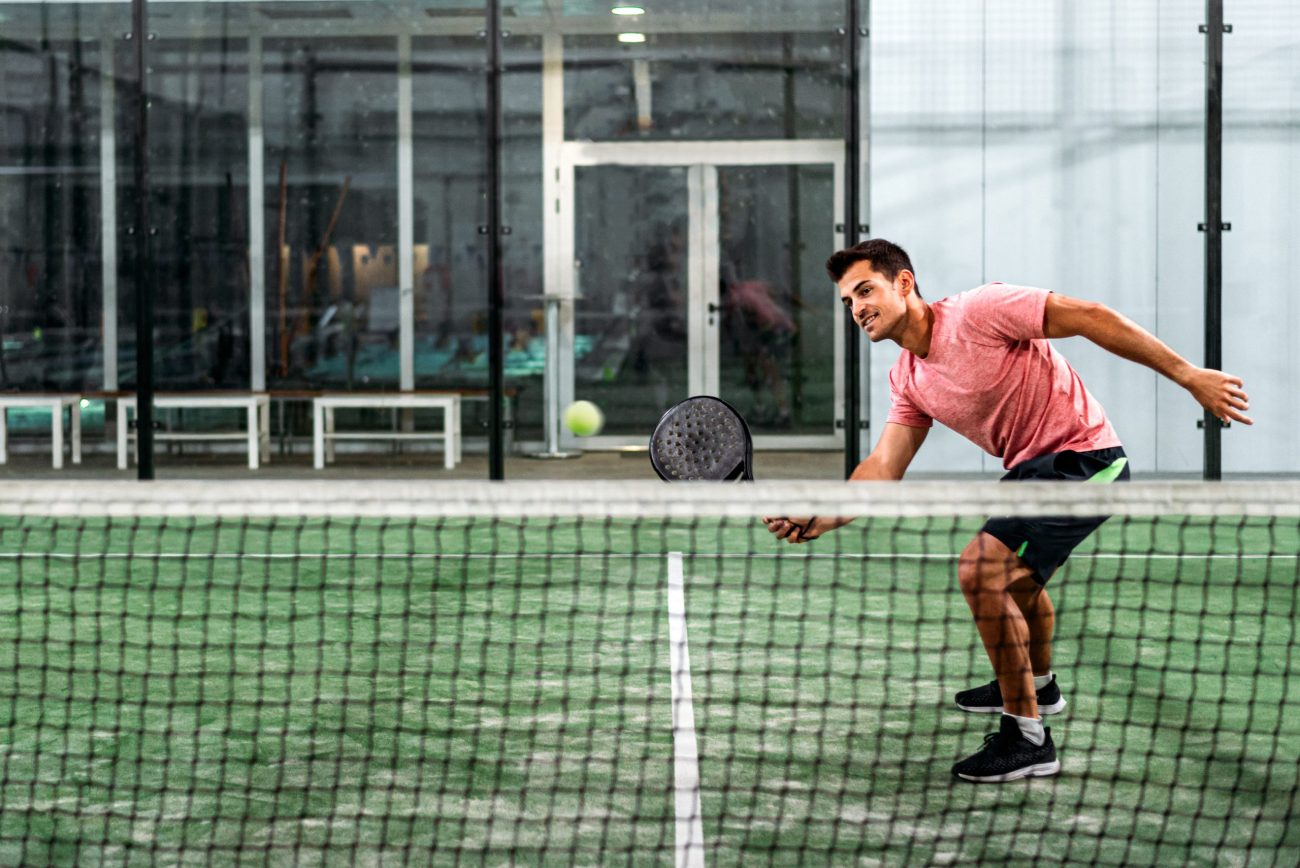
Local Tournaments & Why They Matter for India’s Padel Community
By
Sports Analyst
January 9, 2026