Padel is no longer a “new sport” in India it’s quickly becoming one of the most talked-about racket sports in premium fitness circles, social sports communities, and emerging tournament ecosystems. If tennis is known for technique and legacy, and badminton for mass adoption, padel is carving a different lane: high-energy, beginner-friendly, social-first, and built for the modern urban lifestyle.
In the last few years, India has seen a visible rise in padel courts, coaching programs, weekend leagues, and brand-led tournaments especially in metro cities and affluent suburbs, where people are actively looking for sports that feel competitive and community-driven. This shift signals a broader change in Indian recreational sports: people want games that are fun, accessible, and easy to pick up with friends. Padel checks every box.
This article breaks down why padel is growing in India, what’s driving the momentum, how the ecosystem is forming, and what the next few years could look like.
What Is Padel and Why Is It Different?
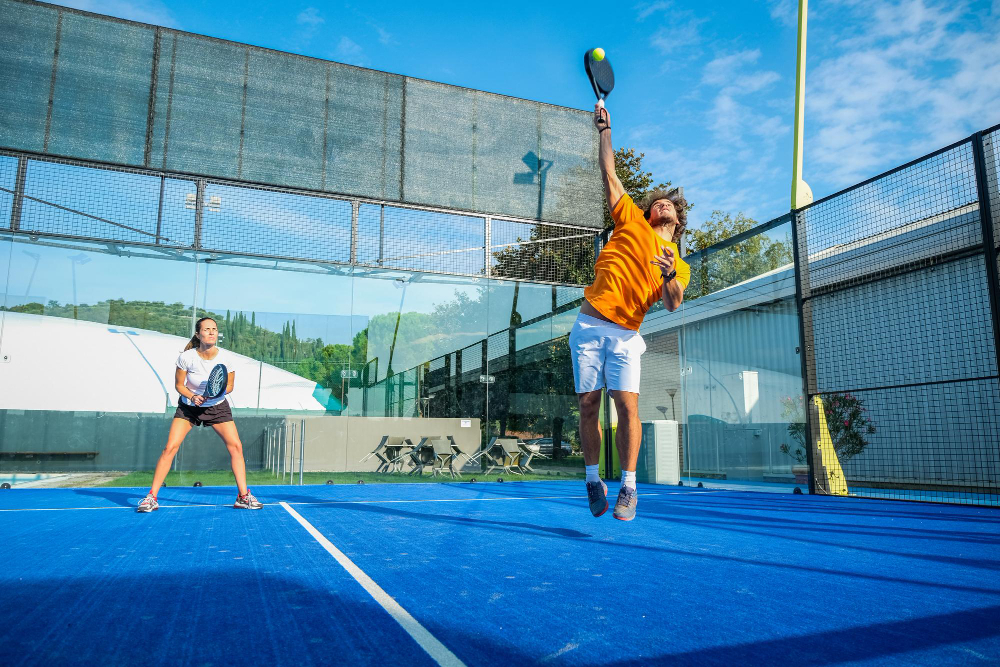
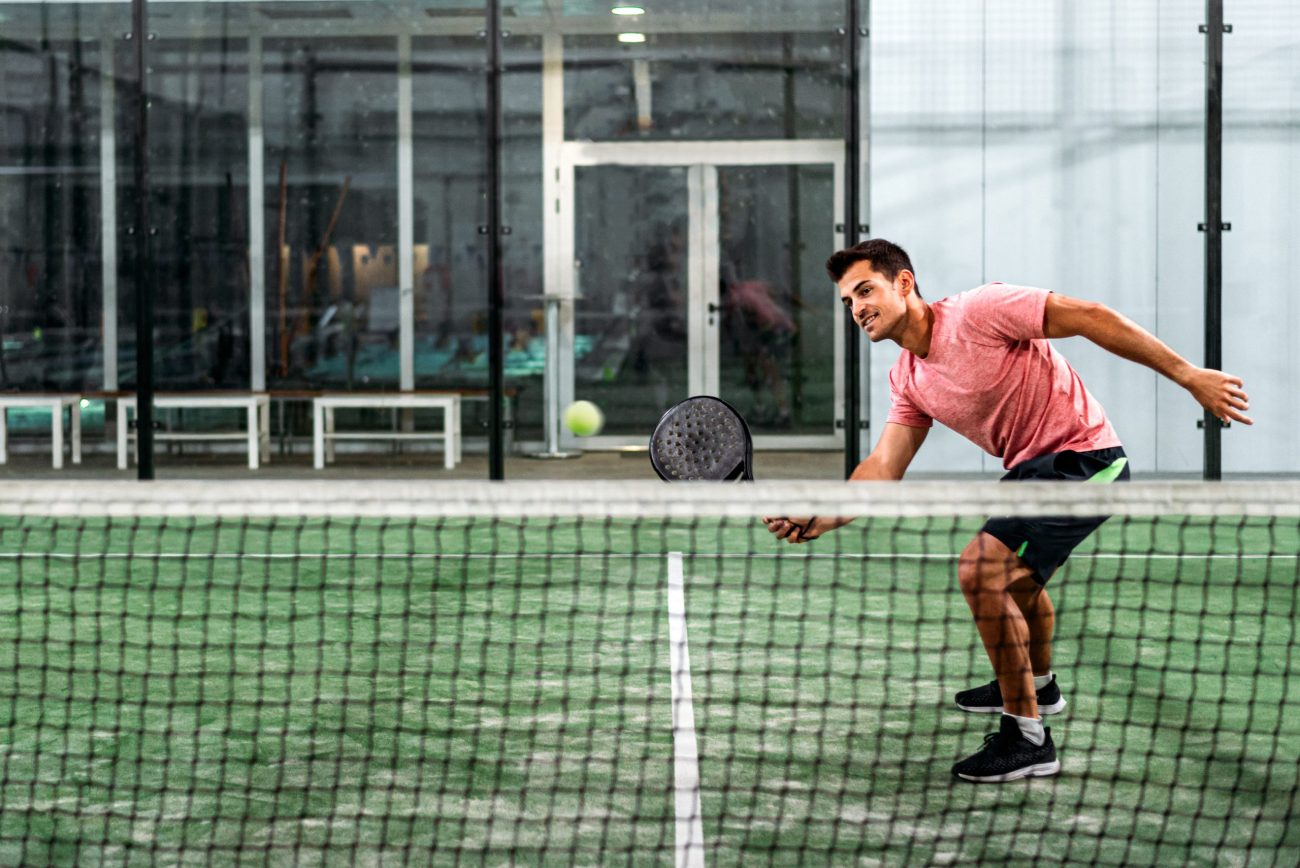
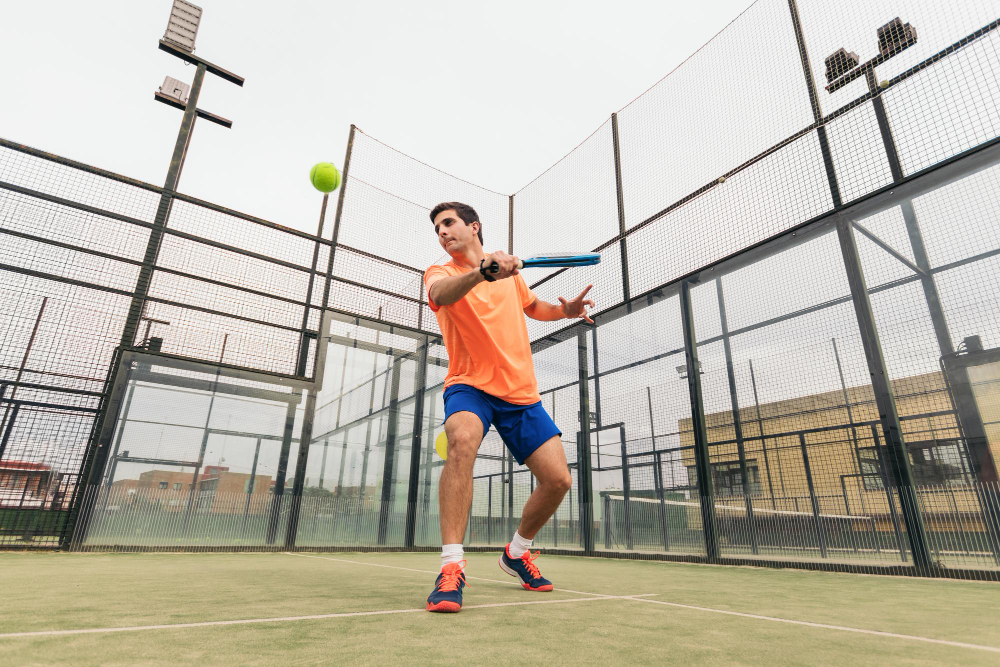
Padel is a doubles-first racket sport played on an enclosed court (smaller than tennis) surrounded by glass walls that are part of the game. It blends the best of tennis and squash: you volley, rally, smash—but you can also use the walls to keep points alive.
What makes padel stand out isn’t just the format it’s the experience:
- Fast learning curve: Most beginners can rally in their first session.
- More rallies, less frustration: The smaller court and walls keep the ball in play longer.
- Social by design: Doubles is the standard, making it ideal for groups.
- High fun-per-minute: Short bursts of intense points without the technical barrier of tennis.
In a country like India where sports adoption often depends on community and accessibility, these characteristics matter a lot.
Why Padel Is Taking Off in India
1) India’s Fitness Culture Is Shifting Toward “Social Sports”
Urban India has moved beyond gym-only fitness. People now want fitness + fun + community in one package. Think of how running clubs, cycling groups, and pickleball communities have grown. Padel fits this same pattern—especially for working professionals who want a sport they can play after work without needing years of training.
In many cities, padel is being positioned less like a niche sport and more like an experience: music, weekend leagues, café culture, networking, and social content.
2) It’s More Accessible Than Tennis (In Practice)
While tennis is loved, it has real barriers:
- bigger courts and higher infrastructure costs
- higher skill gap for beginners
- longer time to enjoy competitive rallies
Padel compresses the journey. The court is smaller. The game is intuitive. And because it’s usually doubles, even a beginner can contribute. This “instant playability” is a huge reason why padel spreads quickly once a city has a few courts.
3) Premium Real Estate + Sports Infrastructure Is Expanding
A major reason padel is growing is simple: courts are being built. India is seeing a rise in premium sports facilities, private clubs, gated communities, and pay-per-play sports hubs. Padel courts fit well into these models because:
- they require less space than tennis
- they attract high-frequency players
- they perform well as a paid booking asset
As more venues add courts, discovery becomes easier. And once people try padel, retention is high.
4) Tournaments Are Turning Casual Players Into Communities
A sport grows when people have something to train for. India’s padel ecosystem is now seeing more:
- weekend tournaments
- corporate leagues
- city-level circuits
- open doubles formats for mixed skill groups
These events do more than award trophies they create identity and continuity. Players start forming groups, planning weekly games, and sharing match moments online. That’s how a sport becomes a movement.
5) Content + Influencers Are Making Padel Look “Cool”
Padel is extremely social-media friendly:
- glass courts look premium on video
- rallies are fast and satisfying to watch
- doubles reactions and celebration moments are highly shareable
As creators and athletes post padel content, awareness spreads beyond players to audiences who think: “This looks fun—I want to try it.”
Where Padel Is Growing the Fastest in India
While padel is expanding nationally, growth often starts with city clusters where premium sports culture already exists.
Metro & Tier-1 hotspots
- Mumbai: strong club culture + high pay-per-play adoption
- Delhi NCR: affluent sports hubs + corporate leagues
- Bengaluru: tech professionals + community sports boom
- Hyderabad / Pune / Chennai: rising sports infra + weekend tournament culture
These cities also have a high density of players who have tried tennis, squash, badminton, or fitness sports making them naturally receptive to padel.
The “Club-to-Community” pattern
In many Indian cities, padel is following a predictable adoption curve:
- Starts in premium clubs and gated communities
- Moves to pay-per-play sports facilities
- Builds tournament calendars
- Develops coaching pipelines and junior programs
- Expands into broader audiences
That’s exactly what we’re seeing now.
The Role of Coaching, Academies, and Player Development
For a sport to sustain growth, it needs structured learning not just casual play. India is beginning to see:
- beginner coaching programs
- padel-specific clinics
- tournament preparation sessions
- fitness conditioning designed for padel footwork
As coaching becomes more standardized, two important things happen:
- players improve faster and stay longer
- new players get confidence early (reducing drop-off)
Over time, this creates the foundation for serious competition, not just recreational play.
Why Padel Has Strong “Stickiness” in India
Many sports see curiosity spikes and then fade. Padel has stronger staying power because it’s built around habits:
- It’s easy to schedule: Doubles games, 60–90 minutes, ideal for after-work play.
- It’s high-reward: Even beginners feel improvement quickly.
- It’s group-based: People stay because their friends stay.
- It’s competitive without being intimidating: Rallying is easier, points are longer, and everyone gets involved.
This “habit-forming” design is why padel clubs often see high repeat bookings once a player joins the ecosystem.
The Business Side: Why Brands and Venues Are Paying Attention
Padel isn’t just growing as a sport it’s growing as a business category.
For venues
Padel courts can be monetized through:
- hourly bookings
- memberships
- coaching packages
- leagues and tournaments
- brand sponsorships and events
For brands
Padel attracts audiences that are:
- urban and premium
- fitness-driven
- social and community-led
- open to gear upgrades (rackets, shoes, balls, apparel)
That makes it attractive for sports retailers, wellness brands, and lifestyle sponsors who want visibility in a high-engagement sport.
What’s Next: The Future of Padel in India
Padel in India is currently in its expansion phase. Over the next few years, the growth trajectory could look like this:
1) More courts across Tier-2 cities
Once infrastructure costs become more standardized and demand is proven in metros, Tier-2 expansion becomes viable—especially in cities with growing premium communities.
2) Structured competitive pathways
More standardized padel tournament formats, ranking circuits, and inter-city championships will create clear progression for players.
3) Junior programs and school tie-ups
A sport becomes mainstream when kids start playing it. Junior coaching and academy programs will play a huge role.
4) Larger tournaments and professional visibility
As player bases grow, India will likely see bigger prize-money tournaments and more professional-level showcases that bring legitimacy and media attention.
Final Thoughts: A New Era of Racket Sports in India
Padel’s rise in India isn’t accidental. It’s aligned with how modern India chooses hobbies and fitness: social, premium, accessible, and repeatable. As courts expand, tournaments increase, and communities strengthen, padel is moving from “emerging sport” to a serious contender in India’s recreational sports landscape.
If you’re someone who enjoys tennis, squash, badminton or simply wants a sport that feels fun from day one padel is one of the most exciting options right now. And if you’re watching the racket sports industry in India, padel isn’t a trend to ignore. It’s the start of something bigger.
FAQs
Is padel popular in India?
It’s rapidly growing, especially in metro cities, driven by new courts, leagues, and social sports culture.
Why is padel growing so fast?
Because it’s easy to learn, doubles-first, highly social, and supported by premium sports infrastructure.
Is padel easier than tennis?
For beginners, yes—players can rally faster, points last longer, and the smaller court reduces complexity.
Where can I play padel in India?
Most padel growth is currently in cities like Mumbai, Delhi NCR, Bengaluru, Hyderabad, Pune, and Chennai, with more venues expanding each year.