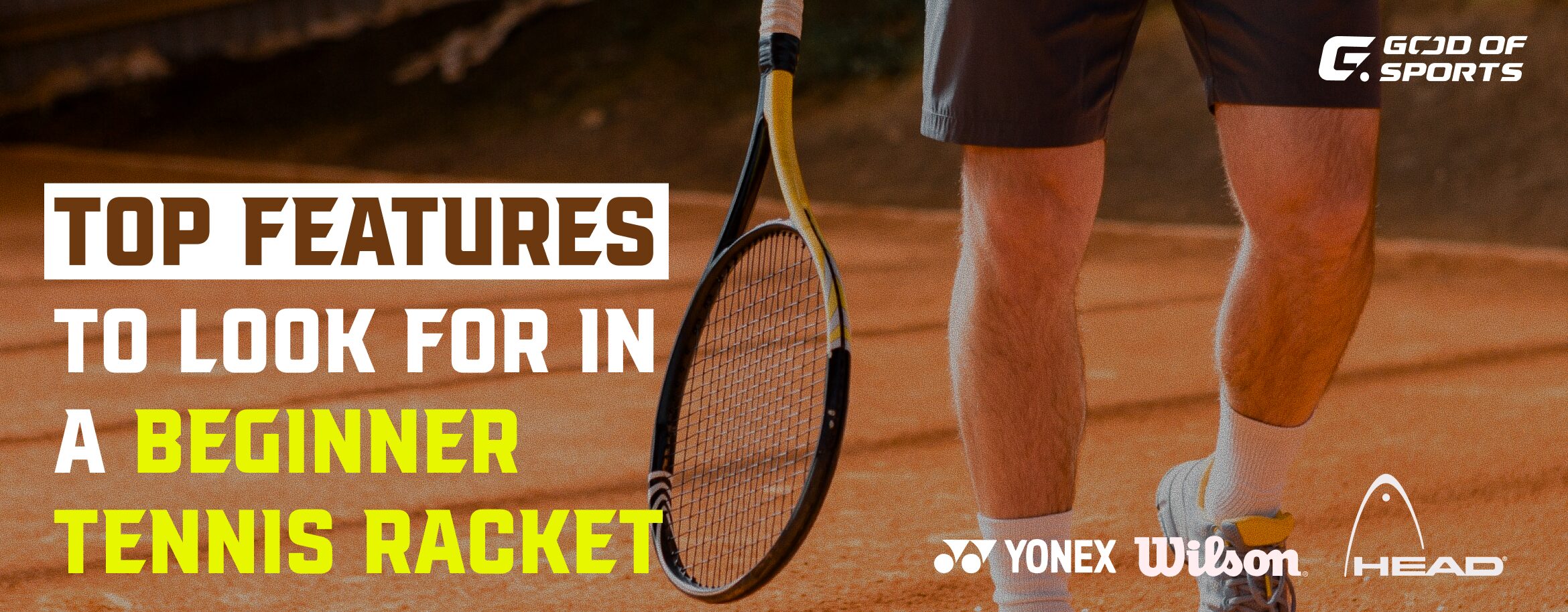
Choosing the right tennis racket as a beginner is more than just picking something lightweight and colorful — it’s your first step into a sport that can stay with you for a lifetime. The right racket helps develop proper technique, reduces mishits, and ensures you enjoy every rally from the very beginning.
This comprehensive guide explores the top features to consider when selecting your first racket. It’s written with an expert yet conversational tone — think of it like a coach walking you through your options — and includes some great beginner-friendly choices from God of Sports, India’s trusted destination for authentic sports gear.

Why Choosing the Right Racket Matters
Imagine trying to learn guitar with strings that are too tight or a body that doesn’t fit your hands — that’s what using the wrong racket can feel like in tennis. Your racket becomes an extension of your arm and, in many ways, your skill.
The right beginner racket:
- Makes learning strokes easier
- Reduces the chances of injury
- Encourages consistent play
- Builds confidence with every shot
Rather than going for the flashiest design or the brand your favorite player uses, understanding your needs is key.
Understanding the Learning Curve
Beginners face a unique learning curve. Initial practices often include mishits, fatigue, and inconsistent strokes. A racket that suits your level smoothens this curve. The feel in your hand, the way it responds when the ball hits the strings, and the confidence it gives you to swing without fear of errors — all contribute to how quickly you enjoy and improve at the game.
Weight and Balance: Your Starting Feel
Weight
Beginner rackets generally fall in the 260–290 grams (9.2–10.2 oz) range. This sweet spot helps you swing with ease and develop good mechanics without overexerting your arm. For a lightweight and maneuverable option, consider the HEAD MX Attitude Supreme. If you’re looking for a slightly head-heavy feel, the Yonex EZONE Ace could be a great choice.
Too heavy? You’ll tire quickly. Too light? You may feel a lack of stability. Balance is everything — in the racket and in your form.

Balance
Racket balance can feel subtle at first, but has a big impact:
- Head-heavy: Adds power, good for players who stay back on the baseline.
- Head-light: Easier to maneuver, great for net players and doubles.
- Even balance: The best of both worlds — great for learning all-around play.
Most beginner rackets tend to favor even or slightly head-heavy setups to offer forgiveness on off-center hits.
Head Size: Sweet Spot for Sweet Shots
The bigger the head, the more forgiving the frame. If you’re just starting, consider rackets with an oversize head (100–110 in²) to make your sweet spot larger and reduce mishits. The HEAD Ti Radical Elite is a perfect option for beginners, thanks to its oversize head and larger sweet spot. This racket ensures fewer mishits and better performance on the court.
- Oversize (100–110 in²): Big sweet spot, easy power, fewer mishits.
- Midsize (85–99 in²): Precision-focused — best for experienced players.
Beginner Tip: Go for 100–105 in². It offers a perfect mix of control and forgiveness so you’ll enjoy rallies instead of getting frustrated by errors.
Frame Shape & Sweet Spot Positioning
Some rackets have elongated heads or teardrop shapes that shift the sweet spot slightly. For beginners, rackets with traditional round or oval shapes are easier to control and offer predictable performance.
String Pattern: Your Racket’s Personality
The arrangement of strings isn’t just a visual grid — it affects how the ball reacts.
- Open (16×19 or 16×18): Adds spin, more power, comfortable feel — beginner favorite.
- Dense (18×20): Offers control, but harder for beginners to generate spin.
Beginners should look for a 16×19 string pattern, widely used for its balance of control and pop.

Playing with the wrong grip is like wearing shoes a size too small.
How to choose the right grip size:
- Hold the racket with a standard handshake grip.
- Slide your index finger of the other hand between your palm and fingers.
- If it fits snugly, that’s your size.
Typical grip sizes:
- Women: 4 1/4″ (Grip Size 2)
- Men: 4 3/8″ (Grip Size 3)
Still unsure? Start slightly smaller — you can always add an overgrip.
Material and Texture of Grips
Grips can vary in texture and cushioning. Some are tacky to provide hold, others more cushioned for comfort. Beginners might prefer cushioned grips to reduce vibrations and ease hand fatigue.
Choosing the right grip size ensures comfort and control. If you’re looking for a racket with great grip options, the Wilson Blade Feel Team 103 is perfect, offering multiple grip sizes to ensure the perfect fit.
Frame Stiffness & Material: Feel the Feedback
Material
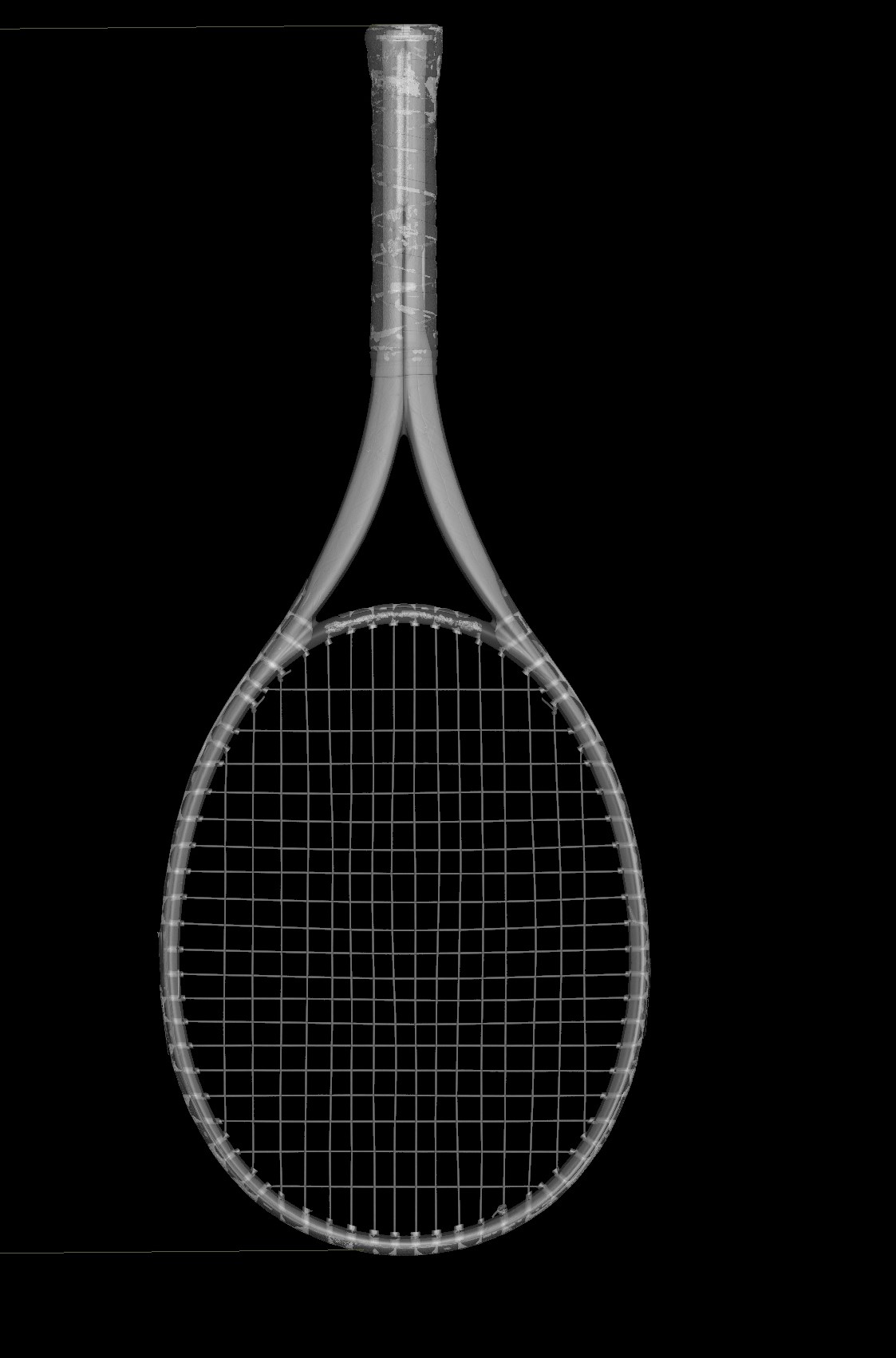
Modern rackets are crafted for performance and comfort. Graphite or carbon composite frames are the most beginner-friendly — light, durable, and responsive.
For a comfortable and forgiving experience, the HEAD MX Attitude Elite features a carbon composite frame, perfect for beginner players who need durability and responsiveness without sacrificing comfort.
Avoid aluminum frames for adults. They’re heavy and transmit more vibration.
Stiffness (RA Rating)
- RA 65–70: The golden zone for beginners — a balance of power and comfort.
- RA 70+: Stiff and powerful but may lead to arm fatigue.
- RA <65: Comfortable but lacks power.
Ask your coach or check specs online before purchasing.
Length & Swing Style Compatibility
Length
- Standard (27 inches): The norm — easy to control and well-balanced.
- Extended (27.5–28 inches): More reach and power, but tougher to maneuver.
Stick to 27 inches to start. You’ll thank yourself when it comes to timing your swing.
Swing Style
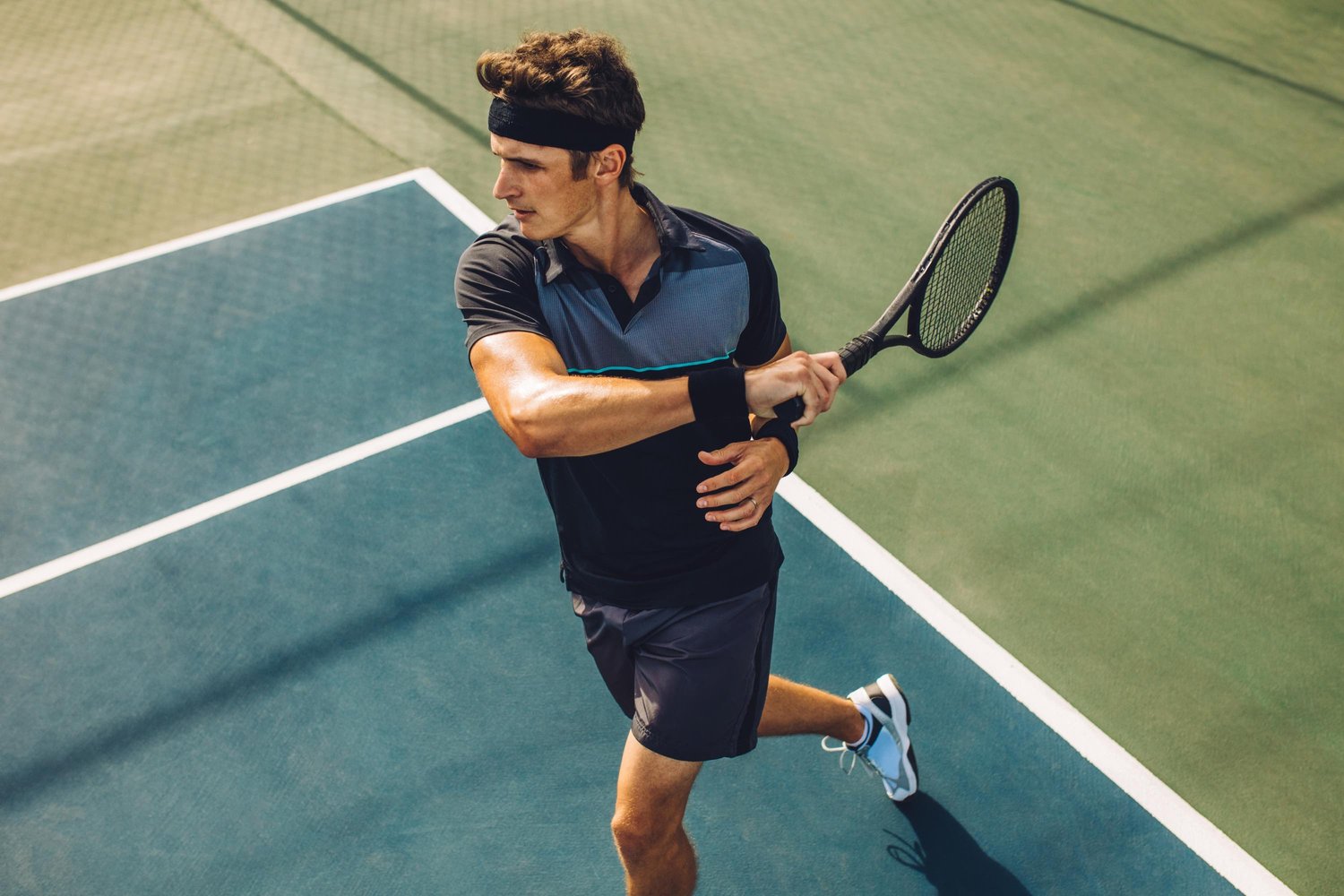
- Slower, compact swings: Go for lightweight rackets with low to mid swing weight.
- Aggressive baseline play: A slightly head-heavy racket may help.
- Volleys and net play: Choose a head-light racket for faster reaction.
Swing Weight: The Secret Sauce of Feel
Swing weight is a measurement of how heavy a racket feels while swinging it. It combines static weight and how that weight is distributed.
- Low (290–310): Quick, easy to maneuver — great for new players.
- Mid (310–325): Balanced — most beginner rackets fall here.
- High (325+): Powerful but demanding — not ideal for learners.
Choosing a swing weight in the 290–325 range is best for muscle memory development, comfort, and shot control.
Bonus: Beginner Tennis Drills to Pair with Your New Racket
Choosing a good racket is step one. Using it right is the next. Here are some beginner drills:
- Shadow Swings: Practice your forehand and backhand swings without hitting a ball. Focus on technique and motion.
- Wall Rally: Hit against a wall with a low-compression ball. It improves timing and consistency.
- Target Practice: Place cones on court to aim your shots. Helps improve control.
- Footwork Ladder: Use an agility ladder to improve court movement.
Pairing your new racket with structured practice builds muscle memory quickly.
Expert Racket Maintenance Tips
Once you’ve chosen the right beginner racket, it’s important to know how to care for it. A well-maintained racket not only lasts longer but also performs more consistently over time.
1. Store it Right
Avoid leaving your racket in extremely hot or cold environments — like a car on a sunny day. Drastic temperature changes can weaken the frame and affect string tension.
2. Replace Strings Periodically
Strings lose tension with time, even if unused. Beginners should restring every 3–6 months depending on play frequency. If you start noticing less pop or control, it’s likely time.

3. Replace Overgrips
Overgrips absorb sweat and wear out faster than you’d expect. Replace them once they lose tackiness, start peeling, or feel hard.
4. Use a Dampener if Needed
If you feel excessive vibration, add a vibration dampener near the bottom cross-strings. It doesn’t affect performance drastically but can improve feel.
5. Clean Gently
Wipe the frame with a soft cloth. Don’t use alcohol or harsh chemicals that may damage paint or synthetic materials.
Tennis Myths Beginners Should Ignore
“Expensive rackets make you better.”
Not true. A racket suited to your level, regardless of price, is what helps you improve. Many pro-level rackets are hard to control for beginners.
“Light rackets are always better.”
Too light and your shots may lack control. Swing weight and balance matter more than static weight alone.
“All string patterns are the same.”
They’re not. Open string patterns help generate spin and add power, which can really benefit a beginner’s learning curve.
“Professional models are the best.”
Pro rackets are usually heavier, stiffer, and strung to specific tension. Beginner rackets prioritize comfort and forgiveness.
Real User Testimonials from New Players
“I was completely new to tennis and had no idea what to buy. The HEAD Attitude Comp from thegodofsports.com gave me instant comfort and confidence. I didn’t feel overwhelmed anymore.” – Rina P., Chennai
“Switching from a cheap unbranded racket to the Wilson Clash 100UL made a world of difference. My coach said my technique improved just from using better gear.” – Raj K., Pune
“The Yonex EZONE Game felt just right from day one. Light, stable, and it didn’t hurt my arm like the old one did. Totally worth the buy.” – Aarav N., Bangalore
Tennis Gear Glossary: Know What You’re Buying
- Sweet Spot – The area on the strings that produces the most accurate and powerful response.
- Swing Weight – How heavy the racket feels when swinging.
- Overgrip – An additional grip layer for comfort and customization.
- String Pattern – The number of vertical and horizontal strings (e.g., 16×19).
- Head Size – Surface area of the racket face, measured in square inches.
- Balance Point – Where the racket’s weight is distributed (head-heavy, even, or head-light).
- Dampener – A rubber piece used to reduce vibration.
- RA Rating – Indicates stiffness of the frame (65–70 is beginner-friendly).
Your In-Depth Buying Checklist
Here’s a final reference when you’re ready to buy:
✔️ Head Size: 100–105 in²
✔️ Weight: 260–290 grams
✔️ Swing Weight: 290–325
✔️ Grip Size: 4 1/4″ to 4 3/8″ (adjustable with overgrips)
✔️ Balance: Even or slightly head-heavy
✔️ String Pattern: 16×19
✔️ Frame Material: Graphite or carbon composite
✔️ Length: 27 inches standard
You’ll find these features in beginner rackets at thegodofsports.com, where each product is handpicked for performance and value.
Tennis is a Lifelong Journey — Enjoy the Start
The beauty of tennis lies in the fact that improvement is limitless. Your first racket is not just gear — it’s the first page of your tennis story. Choose well, care for it, and most importantly, go out and play with it.
There’s no “perfect” racket, only one that feels right for your game. Explore options, try things out, and allow yourself the grace to grow. With time, you’ll find your rhythm, your shots, and your love for the sport.
When you’re ready to buy your first racket, check out the curated selection at God of Sports. Rackets like the HEAD Ti Radical Elite, Yonex EZONE Ace, and Wilson Blade Feel Team 103 are perfect for beginners. Start your tennis journey with gear that fits your game.
Let every point be a step forward. Let every hit bring joy.
Your tennis journey has begun!