
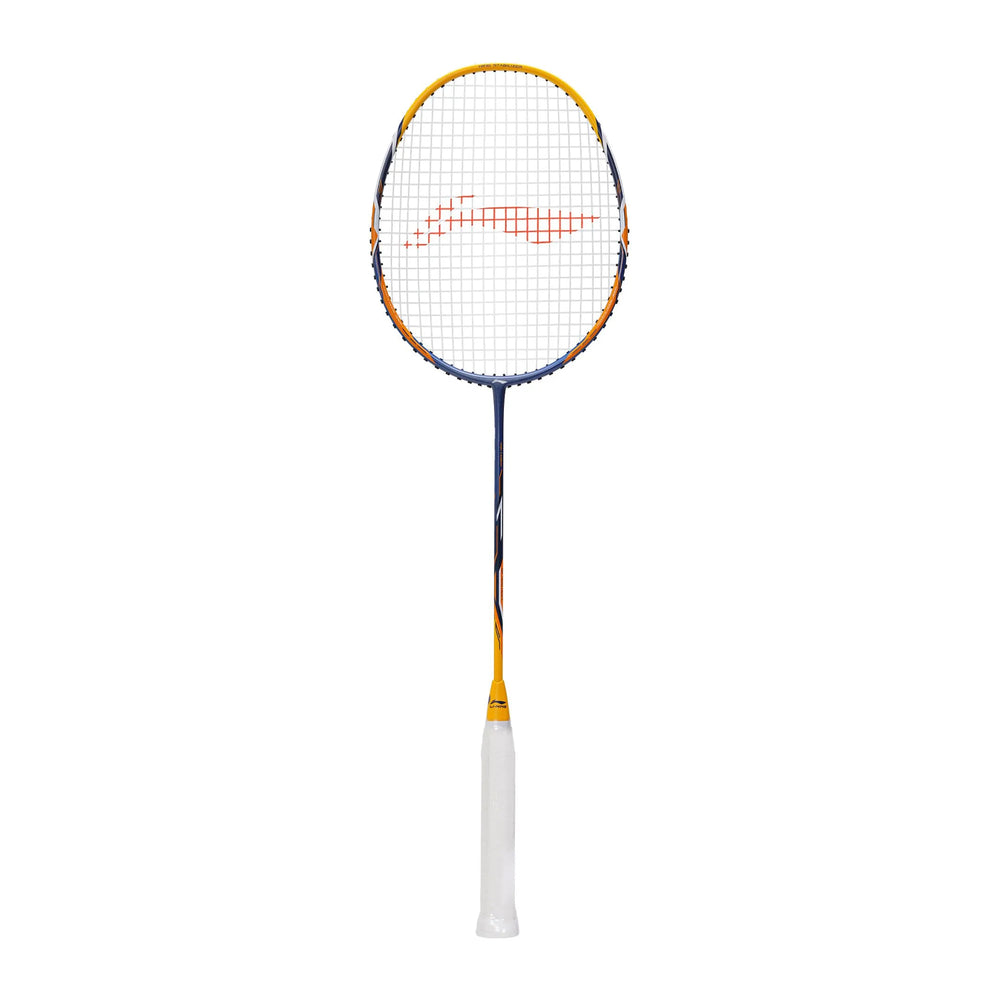
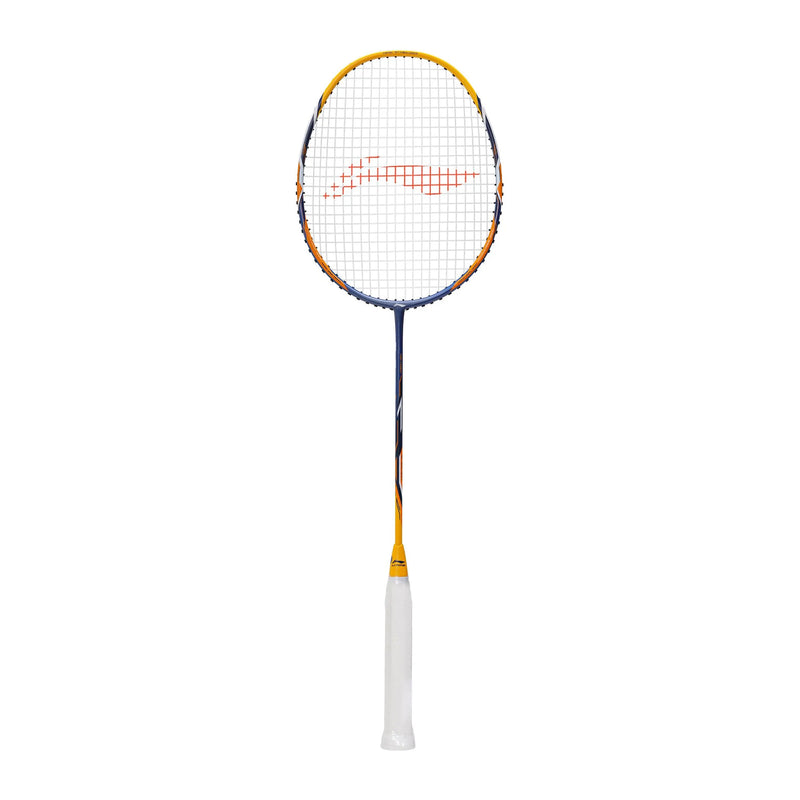
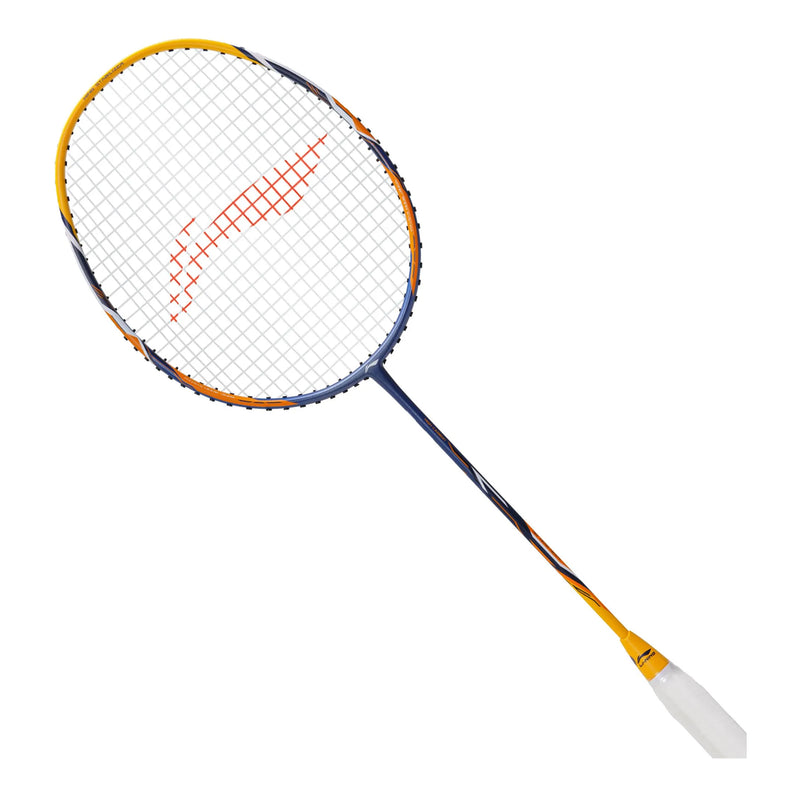
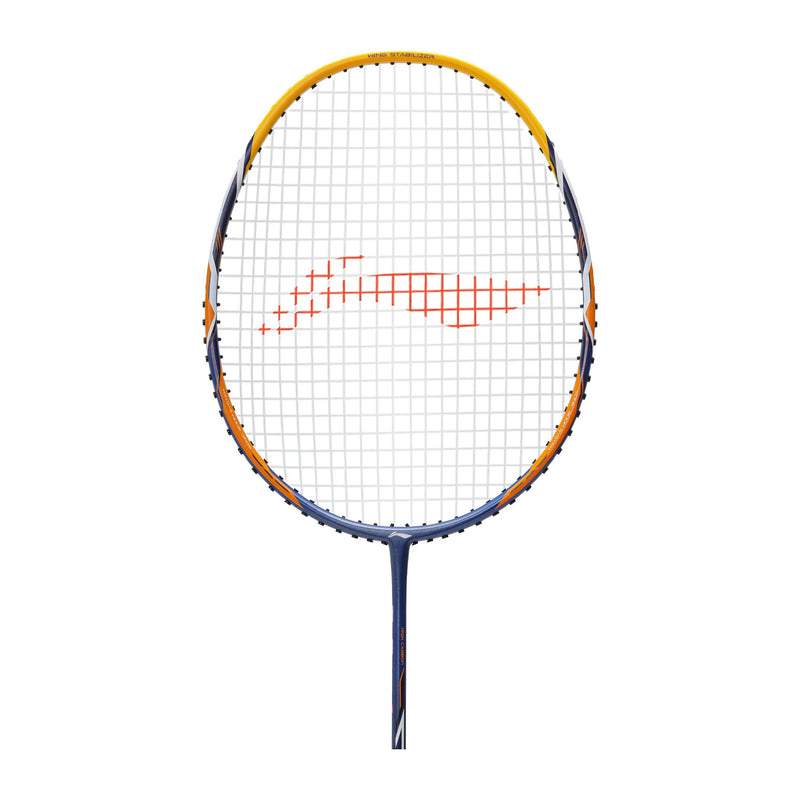
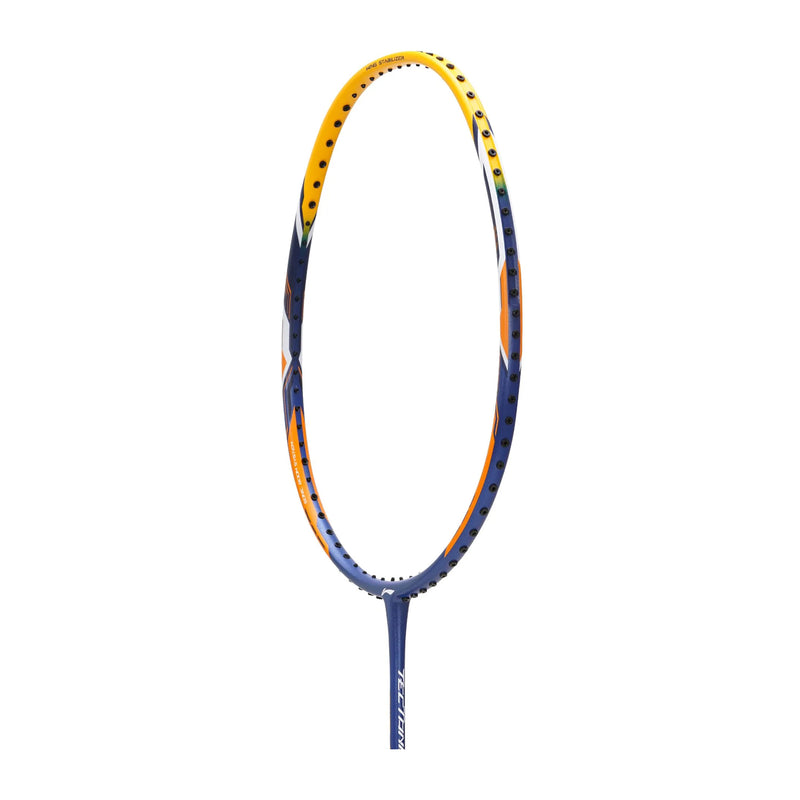
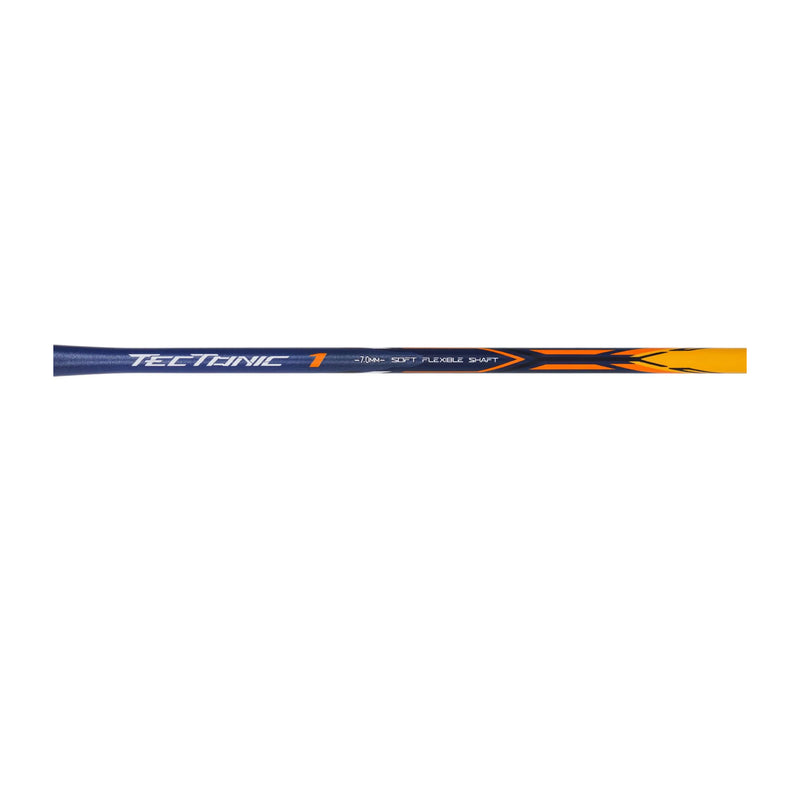
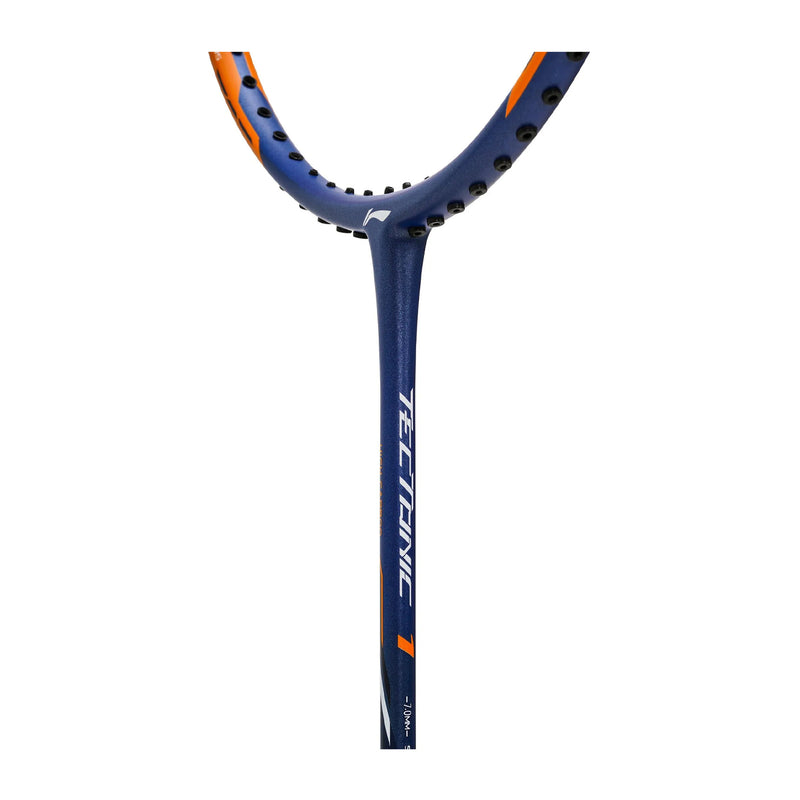
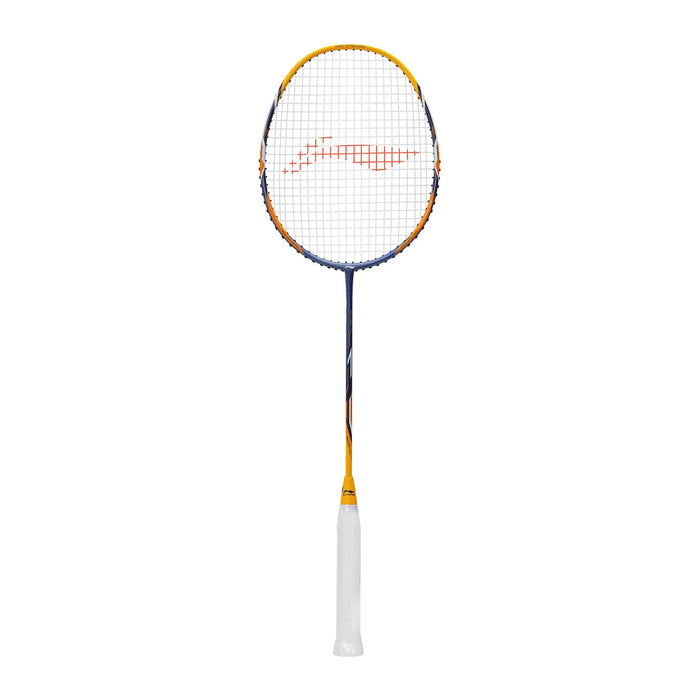
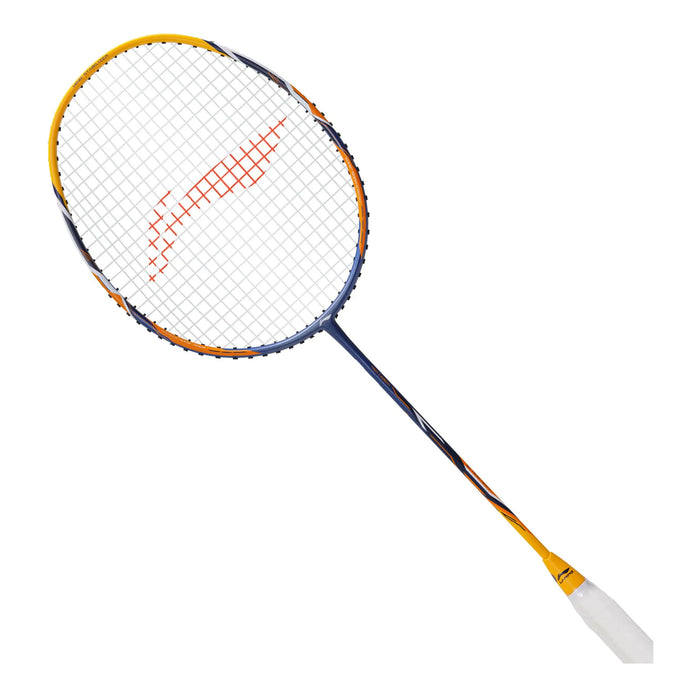
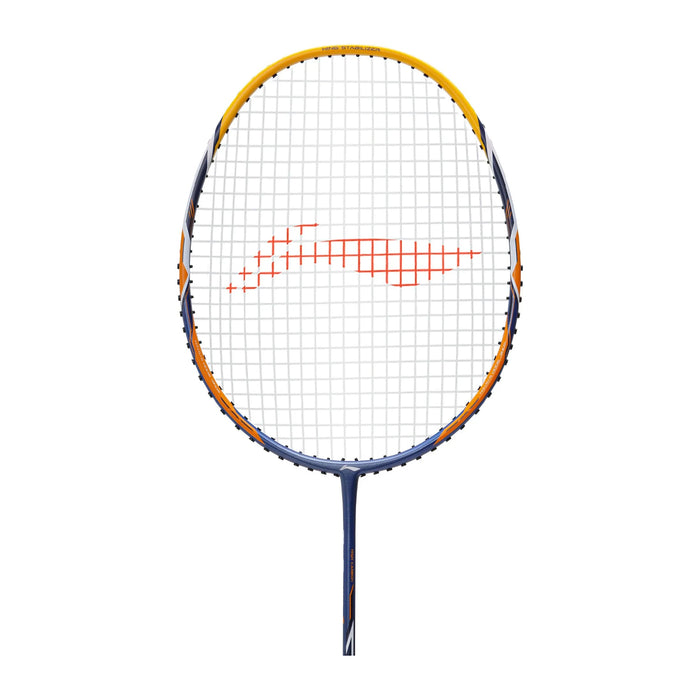
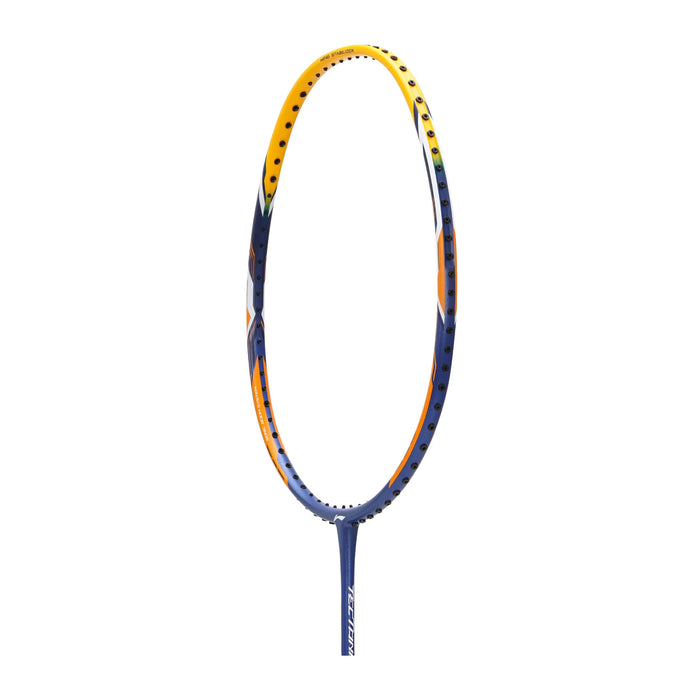
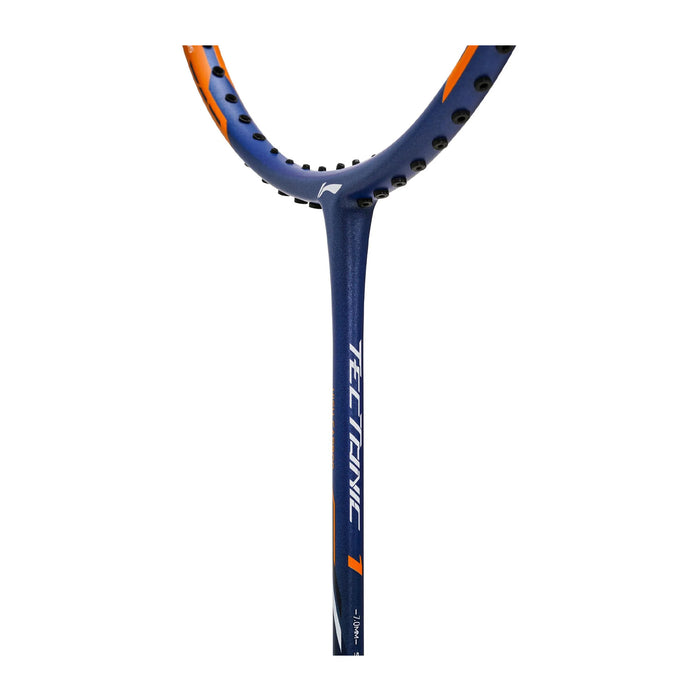
Li-Ning Tectonic 1 Badminton Racket (3U)
Li-Ning Tectonic 1 (3U, head-heavy, flexible) is the heaviest, most powerful weight class in the Tectonic 1 range, strung at 27 lbs.


Estimated Delivery Time: 3 - 6 Days (Delivery subject to pincode)
GOS's Opinion
Know MoreHow you'd like your racquet:

GOS's Opinion
The heavier 3U Tectonic 1 delivers serious overhead power and deep clears with the additional mass behind its attacking balance, a strong choice for advanced singles players who want maximum rear-court authority and have the conditioning to sustain a heavier frame across full matches. One of Li-Ning's most capable attacking frames with T1100 construction that makes the power feel crisp and penetrating rather than just heavy and blunt.

Product Details
| Brand | Li-Ning |
| Model | Tectonic 1 |
| Series | Tectonic |
| Weight / Grip | 3U / G5 |
| Balance | Head Heavy |
| Flex | Flexible |
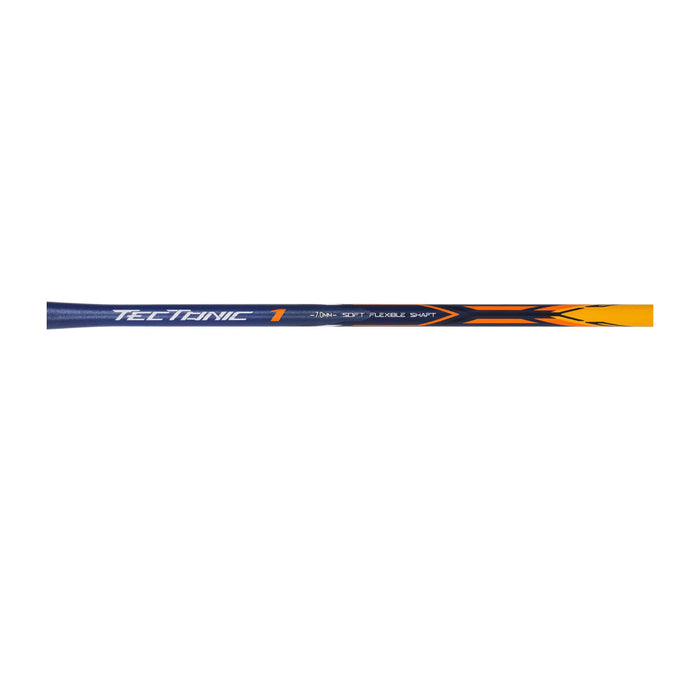
| Shaft Diameter | 7.0mm |
| Frame Material | Carbon Fibre |
| Shaft Material | Carbon Fibre |
| Max Tension | 27 lbs |
| Player Level | Advanced |
| MRP | Rs. 6,490 (inclusive of all taxes) |
God of Sports Expert Verdict on Li-Ning Tectonic 1 Badminton Racket (3U):
- A head-heavy balance and a flexible 7.0mm shaft, consistent with a genuine attacking identity at the heavier 3U weight class.
- The heavier 3U weight gives this frame more mass behind the swing for deeper clears and heavier smashes than the lighter 4U.
- This is the racket for an advanced singles player who wants maximum rear-court authority and has the conditioning to sustain a heavier frame across full matches.
Technology Breakdown:
- Carbon Fibre Frame — a durable, consistent feel: A carbon fibre frame and shaft give a durable, consistent feel.
- Flexible 7.0mm Shaft — accessible overhead power: A flexible shaft stores and releases energy through the swing, giving genuine smash power without requiring a perfectly-timed, advanced swing.
Performance Ratings:
| Category | Score (/10) | Notes |
| Attack | 9 | The heavier 3U build and head-heavy balance give serious overhead power and deep clears. |
| Defence | 7 | The heavier weight asks more recovery effort than the lighter 4U. |
| Net Area | 8 | Workable at the net, though the heavier build is the limiting factor for recovery. |
| Control | 8 | A flexible shaft gives crisp, if slightly less precise, placement than a stiffer frame. |
On Court Performance Analysis:
-
Tosses & Clears
- Tosses and clears carry real weight behind them - the head-heavy balance adds momentum through the swing, so full-length clears to the back line take noticeably less arm effort than a lighter frame would need.
-
Smashes
- Smashing is a real strength - the head-heavy balance puts weight behind every overhead, and the more forgiving flex still lets you access that power without needing a perfectly timed swing every time.
-
Flat Exchanges
- Flat exchanges feel a little softer off a more flexible shaft - fine for club-level drive rallies, but a player facing fast, flat play from a well-drilled opponent may notice less bite than a stiffer frame gives.
-
Defence
- Defence is workable rather than a strength - the head-heavy balance means blocks and lifts take a little more conscious effort to control than on a more neutral frame, but it's manageable with clean technique.
-
Net Dribbles
- Net dribbles are solid and controllable, with reasonable feel for tight exchanges close to the tape, without being the racket's standout strength.
-
Handling Speed
- Handling speed is the trade-off for the attacking weight up top - this isn't a frame built for lightning-fast reaction exchanges, and it shows most when you're rushed at the net or mid-court.
Racket Finder — Is This Right for You?
- Advanced singles players who want maximum rear-court authority: the heavier 3U build gives serious overhead power and deep clears.
- Players with the conditioning to sustain a heavier frame: this is the Tectonic 1's most powerful weight class.
- Not for you if you want faster court coverage: the lighter 4U Tectonic 1 handles faster and asks less physically.
Playing Style Guide:
-
Rearcourt / Attacking Player
- This is the racket's main strength - the heavier 3U build and head-heavy balance give serious overhead power.
-
Frontcourt / Net Player
- Net play is workable but not the focus - the heavier weight is slower to recover with than the lighter 4U.
-
All-Round / Singles Player
- Suits an advanced singles player who wants maximum rear-court authority and has the physical conditioning for a heavier frame.
-
Doubles Player
- Not the natural choice for fast doubles exchanges - the lighter 4U handles faster for that role.
Same-Brand Comparison — Other Li-Ning Rackets:
| Model | Weight | Balance | Flex | Max Tension | Best For |
| Li-Ning Tectonic 1 Badminton Racket (3U) | 3U | Head Heavy | Flexible | 27 lbs | (this racket) |
| Li-Ning Tectonic 1 (4U) | 4U | Head Heavy | Flexible | 26 lbs | A lighter, more versatile alternative |
| Li-Ning Tectonic 6 (4U) | 4U | Head Heavy | – | 27-28 lbs | A more refined attacking alternative in the same platform |
| Li-Ning Halbertec 7000 (3U) | 3U | Head Heavy | – | 31 lbs | A comparable heavy attacking alternative |
Cross-Brand Comparison:
| Model | Brand | Weight | Balance | Flex | Best For |
| Yonex Astrox 99 Play | Yonex | 4U | Head Heavy | Medium | A widely-reviewed flagship attacking alternative |
| Victor Thruster K 220H II | Victor | 3U/4U | Head Heavy | Medium-Stiff | A comparable attacking alternative at a lower price |
Other Li-Ning Rackets also at God of Sports:
Does the Li-Ning Tectonic 1 use T1100 carbon construction?
The frame is made of carbon fibre; a specific carbon grade is not listed for this model.
Is the Tectonic 1 head-heavy or even-balanced?
Yes, it is head-heavy - a dedicated attacking frame.
What string tension does the Tectonic 1 (3U) take?
Sources give a figure of 27 lbs for 3U, though this conflicts slightly with the 4U's 26 lbs from a different listing - this could be a genuine weight-class difference or a copy error, so we'd recommend checking the physical racket's box if precision matters.
Who should buy the Li-Ning Tectonic 1 (3U)?
An advanced singles player who wants maximum rear-court authority and has the conditioning to sustain a heavier frame across full matches.
Does the Tectonic 1 (3U) suit singles or doubles better?
It leans toward singles - the heavier weight asks more physically than fast doubles exchanges usually reward.
How does the Tectonic 1 (3U) compare to the 4U?
The 3U carries more raw overhead power, while the 4U is the more practical, versatile weight class for most players.
How does the Tectonic 1 compare to the Tectonic 6?
Both are marketed as attacking frames within the Tectonic platform - independent research found no verifiable construction difference establishing the Tectonic 6 as more refined, despite that framing sometimes being used.
Similar Products




Recently Viewed
God's Advice
 Maxbolt Predator Badminton Racket Review — Your First Proper Attacking Racket
By GOS TeamOctober 22, 2026
 Maxbolt Thunderbolt Badminton Racket Review — Smash-First Badminton at an Entry Price
By GOS TeamOctober 22, 2026
 Maxbolt Superstar 10 Badminton Racket Review — The 3U Superstar for Precise Power
By GOS TeamOctober 22, 2026
 Maxbolt Silver Badminton Racket Review — Ultra-Light Speed for Long Doubles Sessions
By GOS TeamOctober 21, 2026
 Maxbolt Gallant Force Badminton Racket Review — Gallant Power in a More Forgiving Frame
By GOS TeamOctober 21, 2026
 Maxbolt Gallant Sakiko Badminton Racket Review — The Accessible Way Into Gallant Attack
By GOS TeamOctober 21, 2026
 Maxbolt Gallant Speed Slim Badminton Racket Review — The Speed Racket of the Gallant Family
By GOS TeamOctober 21, 2026
 Maxbolt Gallant Tour Badminton Racket Review — Maxbolt's All-Out Attacking Flagship
By GOS TeamOctober 21, 2026
 Maxbolt Gallant Tour Dragon Edition Badminton Racket Review — The Lighter 4U Gallant Tour
By GOS TeamOctober 21, 2026
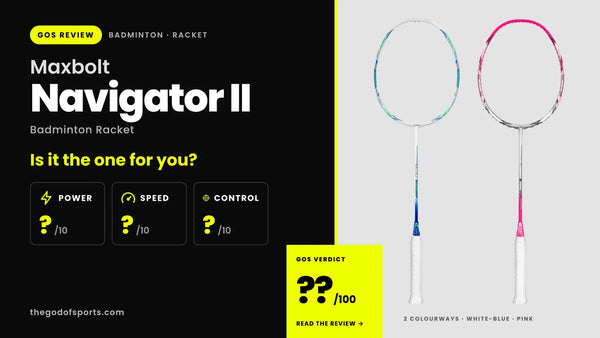 Maxbolt Navigator II Badminton Racket Review — Controlled Power for Improving Players
By GOS TeamOctober 21, 2026
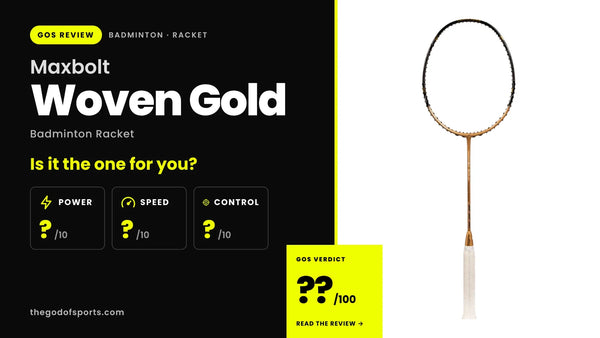 Maxbolt Woven Gold Badminton Racket Review — The Forgiving All-Rounder With No Weak Zone
By GOS TeamOctober 20, 2026
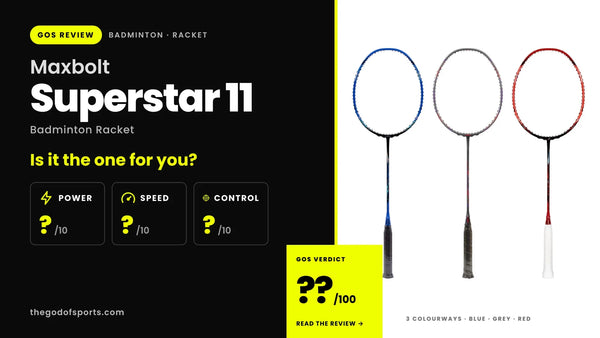 Maxbolt Superstar 11 Badminton Racket Review — One Racket for Every Part of the Rally
By GOS TeamOctober 20, 2026
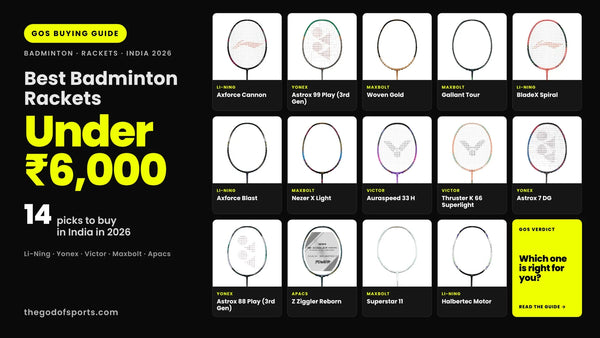 Best Badminton Rackets Under ₹6,000 in India 2026 - by God of Sports
By GOS TeamOctober 18, 2026
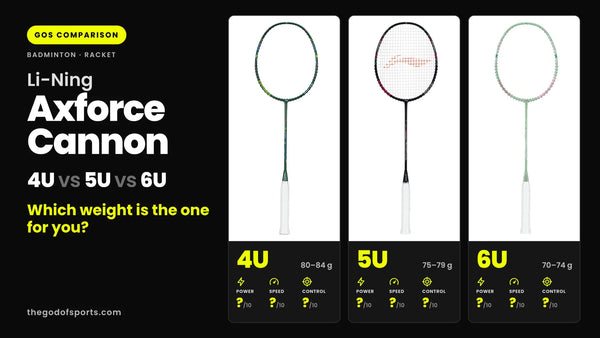 Li-Ning Axforce Cannon Review — 4U vs 5U vs 6U, Which Weight Is Right for You?
By GOS TeamOctober 18, 2026
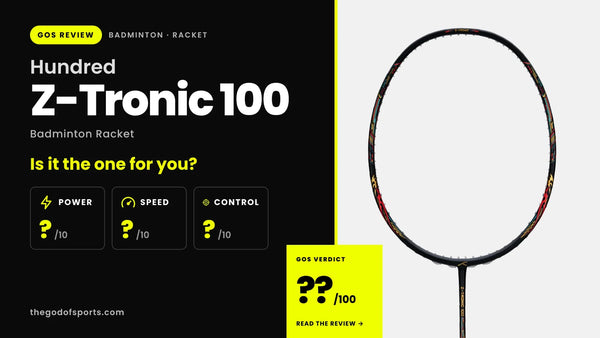 Hundred Z Tronic 100 Badminton Racket Review — A Slim, Stiff, Head-Heavy Smasher
By GOS TeamOctober 18, 2026
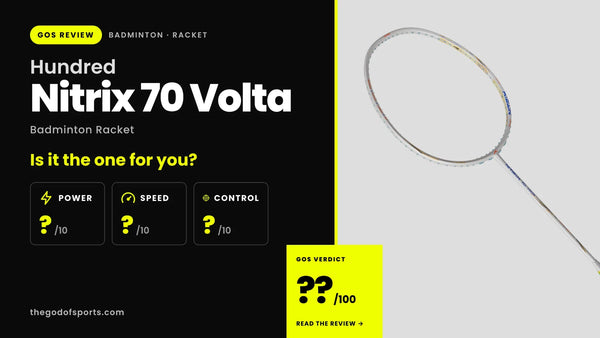 Hundred Nitrix 70 Volta Badminton Racket Review — Nitrix Smash Power with a Flexible Shaft
By GOS TeamOctober 18, 2026
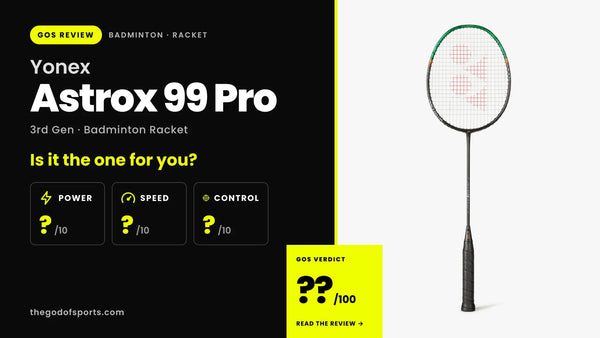 Yonex Astrox 99 Pro (3rd Gen) Badminton Racket Review — More Head Weight, Heavier Smashes
By GOS TeamOctober 18, 2026
 Li-Ning Axforce 90 Badminton Racket Review — Axforce Attack with an Easier-to-Time Shaft
By GOS TeamOctober 16, 2026